


Disney’s theme parks continue to be the most critical driver of the entire company. This morning we received an update about The Walt Disney Company overall, including a couple of key announcements and leadership comments about the future. Today, we heard updates about the future from Disney’s new CEO, who previously ran the theme parks. Disney is in the middle of a massive theme park expansion and focusing on improving its combined streaming business on Disney Plus.
We got updates on the key business metrics and heard about strategic moves that the company is making during the Q3 quarterly earnings call. Disney shared news about the success of the theme parks and their future. These updates are critical for fans to understand because they capture where the company is headed and help to illustrate plans for future investment, such as if they are planning to keep investing in new rides and expansions at the theme parks. Mickey Visit brings you the latest Disney news and planning resources, including Disney’s change to improve guest behavior and three new Disney World restaurants.
READ MORE – Rides Disney Almost Built But Didn’t (And Why They Never Happened)
New Disney CEO Speaks to Priorities For Company
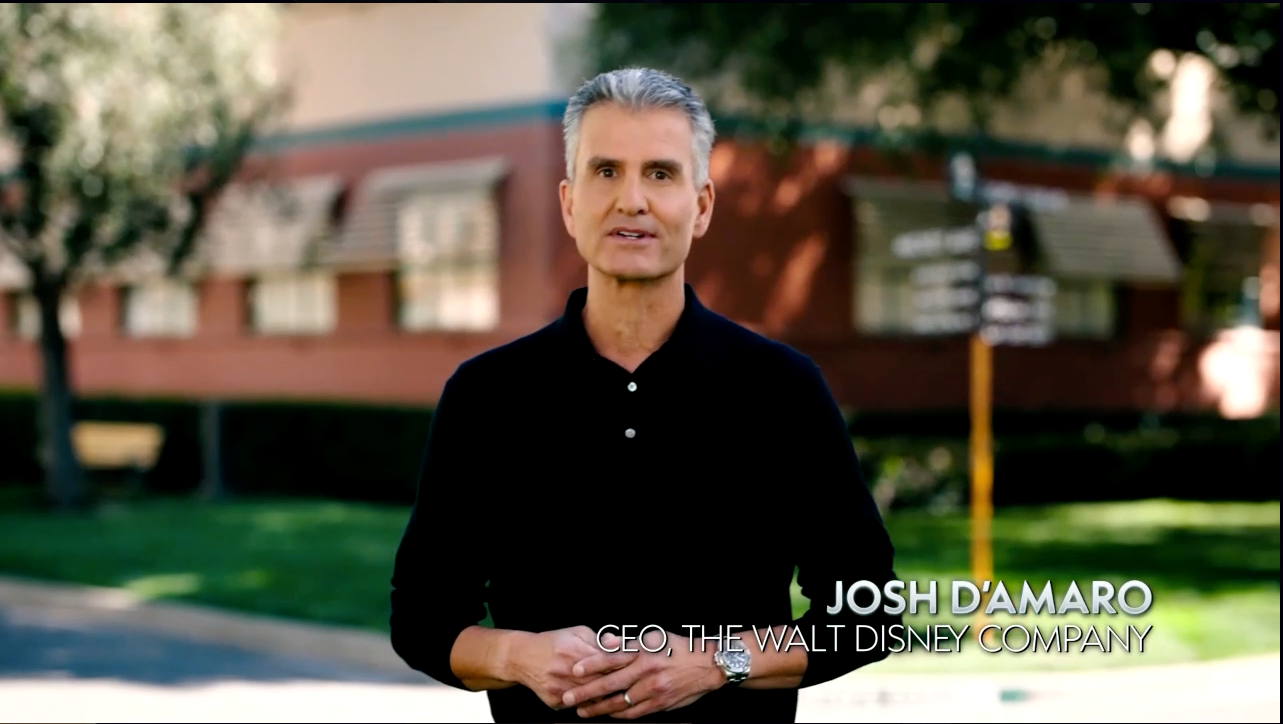
Earlier this year, new Disney CEO Josh D’Amaro defined his key three priorities for the Disney company. Here are those priorities. He referenced them again on the call this morning. These priorities will impact how Disney views the theme parks and generally builds the company.
- Investing in IP [intellectual property] and creativity that breaks through, builds connections, and endures.
- Using advanced technologies to power our storytelling and increase monetization and returns.
- Reaching more consumers in more seamless, engaging ways around the world, through a more connected Disney experience.
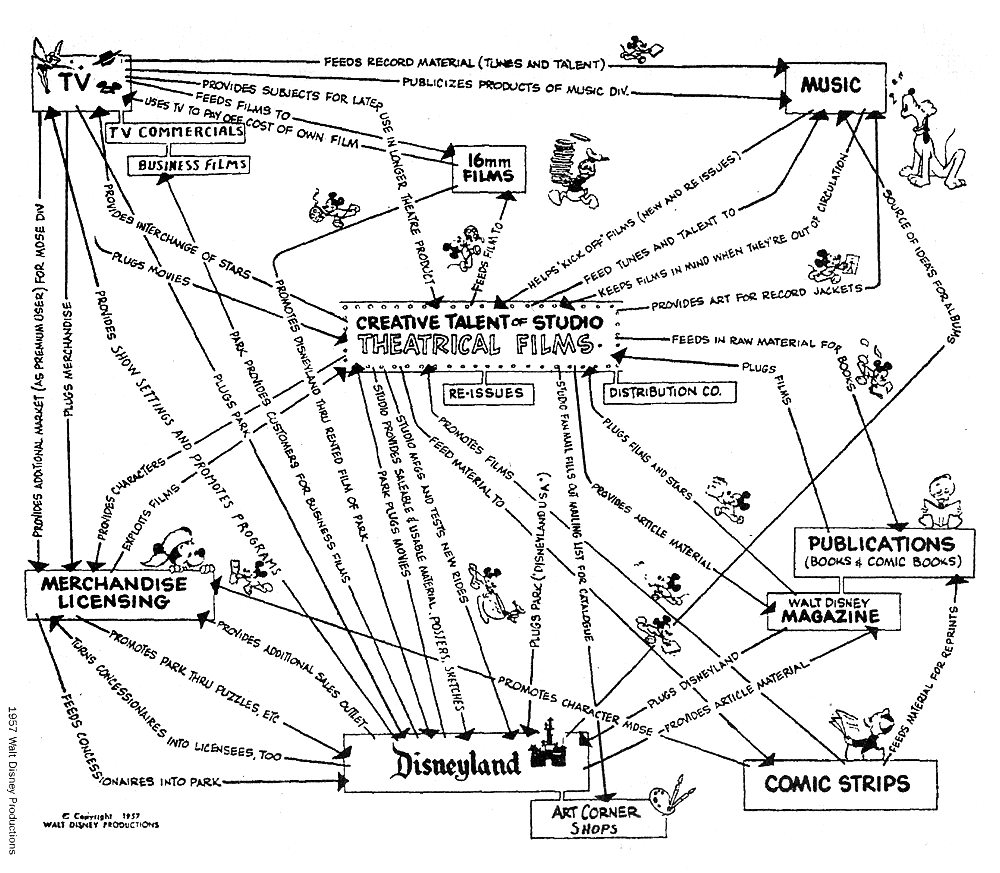
Today he stated that the key part of his strategy is bringing together all of these priorities to create One Disney where the company more effortlessly moves fans of one aspect of the company to another product or offering. The goal is to break down the company silos between divisions and the hope is that in the future there will be clearer, unified offerings from the company.
Disney Ride Closure ALERTS, Major Changes, Secrets Revealed
Get alerts on closures, park changes, exclusive discounts, and free printables. Trusted by 100,000+ Disney fans & planners.
D’Amaro said that “what we are seeing this quarter is proof that coordinating our franchises, sharing data and technology, and building seamless fan experiences works.”
He continued saying “Disney’s fundamental advantage of the depth of fan relationships translates directly to financial returns. Today we find ourselves in an environment where consumers have more options than ever for their time and yet our results show that they keep choosing to spend their time with Disney.”
Disney’s Franchise Success Across the Company
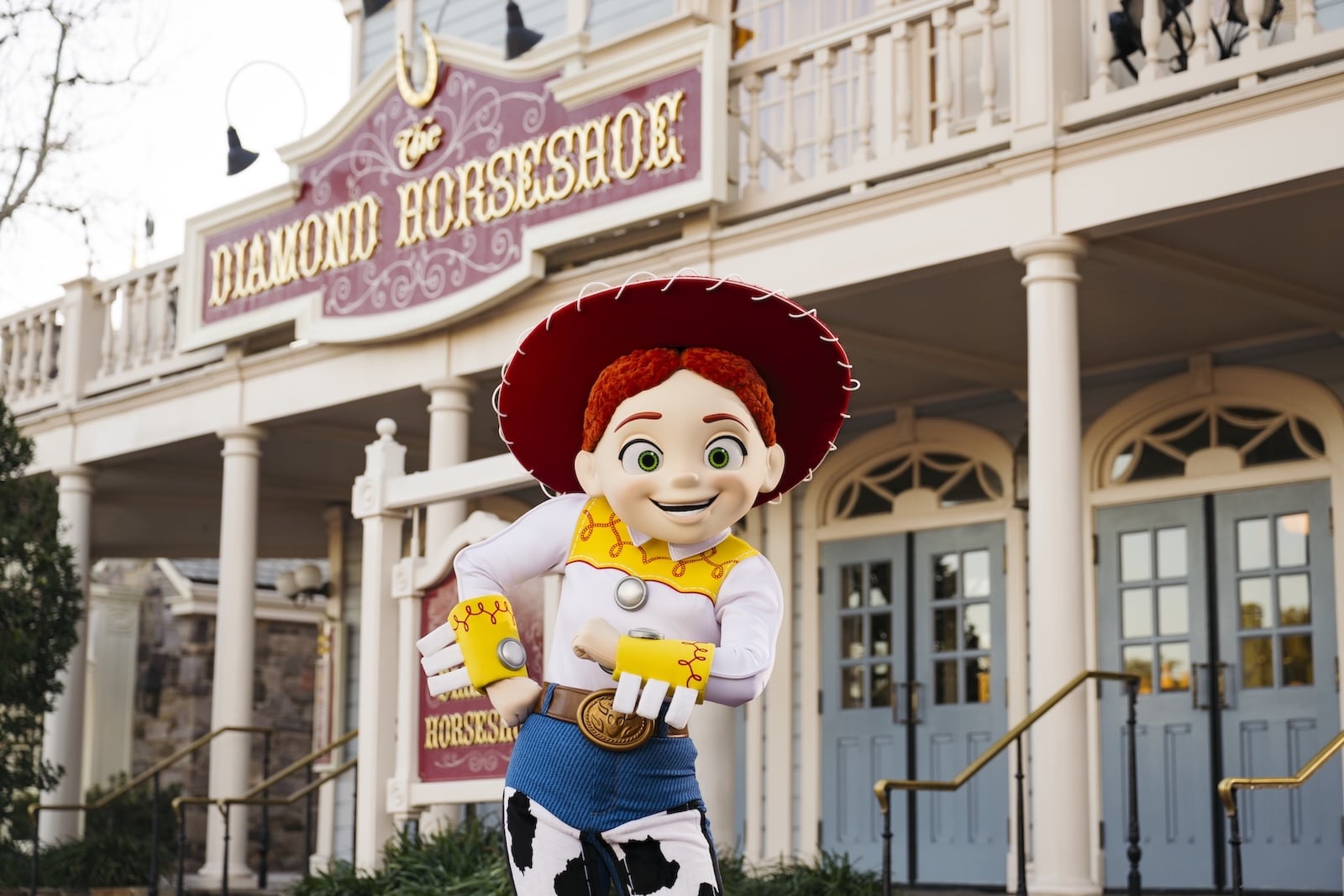
D’Amaro highlighted how the strength of consumer connections and the power of intellectual property expanded Disney’s reach and relevance.
He pointed to the success of the Toy Story 5 film in both box office revenue and cultural impact. The film recently surpassed $1 billion at the global box office. He stated “the success of the latest Toy Story installment shows exactly why Disney is different from the competition and how our stories translate into recurring earnings power. The 5 Toy Story films have delivered over $4 billion in global box office and over 2 billion hours of total hours streamed on Disney Plus.”
Toy Story generates over $1 billion in annual global retail sales and reaches fans across every Disney Park and cruise ship. The films can be seen in 4 immersive lands, 19 attractions, and 2 hotels. Throughout this summer guests have been able to enjoy an additional Toy Story-themed addition in Magic Kingdom alongside other new offerings this summer.
He stated “that’s the Disney flywheel in action. One powerful and enduring story told across theaters, streaming, retail, and physical experiences. That integration creates structure no one else has been able to replicate.”
Interestingly then he spoke to franchise films that didn’t meet Disney expectations at the box office and called out The Mandalorian and Grogu and the live-action Moana by name.
He stated that their “investments in these core properties fuel other parts of our company. The Mandalorian and Grogu drove healthy growth in retail for the Star Wars franchise and drew guests to the updated Millennium Falcon attraction at Disneyland and Walt Disney World and led to significant engagement in gaming as well. And, the live-action Moana is expected to be a strong title on Disney Plus building on the success of the original film which is one of the most streamed movies of all time.”
Disney CFO Hugh Johnston later reiterated that films are really a portfolio game. He later stated that Disney is a diversified business that covers any downturns in the film business. The real growth drivers of the company are the experiences and streaming. He believes that the theatrical window is just one data point in judging the success of the intellectual property and that the real value is the cumulative benefit of decades-long storytelling. This goes back to Disney’s original flywheel strategy.
D’Amaro also spoke to the success of the just launched Spider-Man movie that Disney co-produces with Sony and congratulated them on the film.
“Congratulations to Sony, Kevin Feige, and the Marvel Studios team. It’s an unbelievable result and it’s one more example that audiences will turn out in force for great theatrical experiences. 65 years after his debut, Spider-Man remains one of the most popular characters through consumer products, parks, and streaming. This weekend is a great reminder of just how much strength this franchise still has and it goes without saying that the success of Spider-Man bodes well for our upcoming Avengers Doomsday film.”
Disney Parks Overall Success This Spring
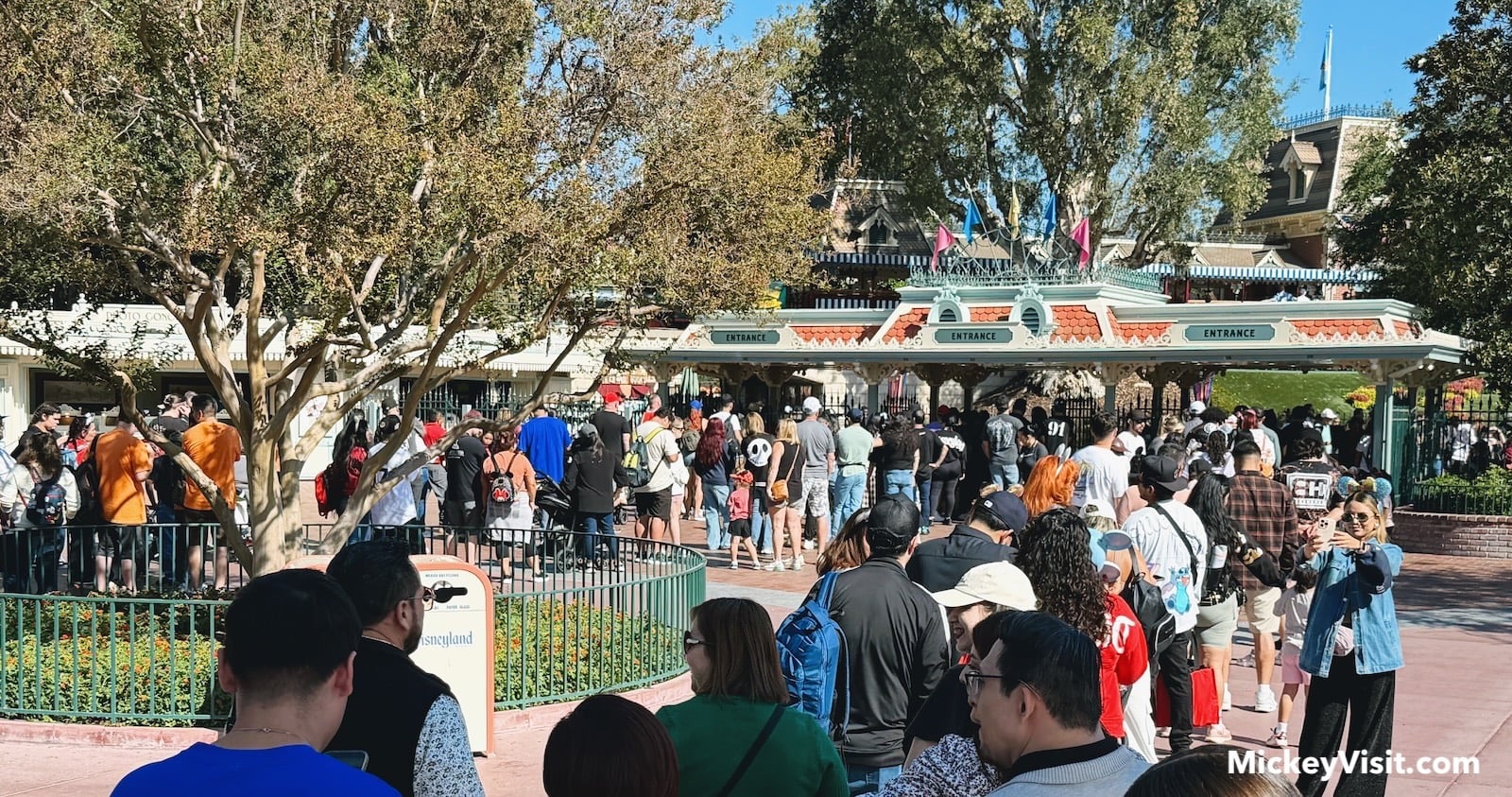
The Q3 Disney quarterly earnings call covers activities during the Disney third quarter. This includes April, May and June 2026. We now have details on the success of the theme parks and cruise line during that period.
Disney Experiences segment revenue was up 10% year over year to $9.97 billion. Operating income hit $3.0 billion, up 20% year-over-year.
Disney just released the new metric of Global Guests which tracks combined attendance at domestic and international parks with passenger cruise days. In the released report, they included that “we feel this provides a lens into our increasingly global and diversified Experiences businesses, and aligns more closely with our investment initiatives around the world”. This number is up 4% year over year.
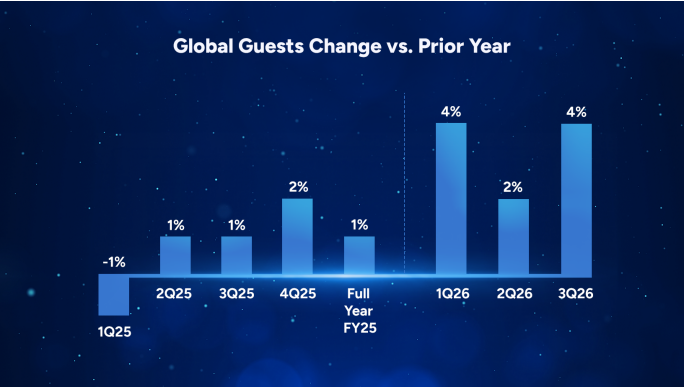
This is in part due to the launch of the new Disney Destiny cruise ship and the March 2026 debut of the Disney Adventure, the largest ship in Disney Cruise Line’s fleet.
In speaking to the success of the quarter, D’Amaro pointed to specific strength at Walt Disney World and an increase in capacity at Disney Cruise Line. Attendance at the US theme parks, Disneyland Resort and Walt Disney World, was up 3% at the domestic parks.
Occupancy in Disneyland and Disney World hotels is up to 91% in the quarter compared to 86% the previous year. Spending was up 3% on a per room basis.
You can see updates on Disney attendance from last quarter here.
Disney vs Universal Attendance
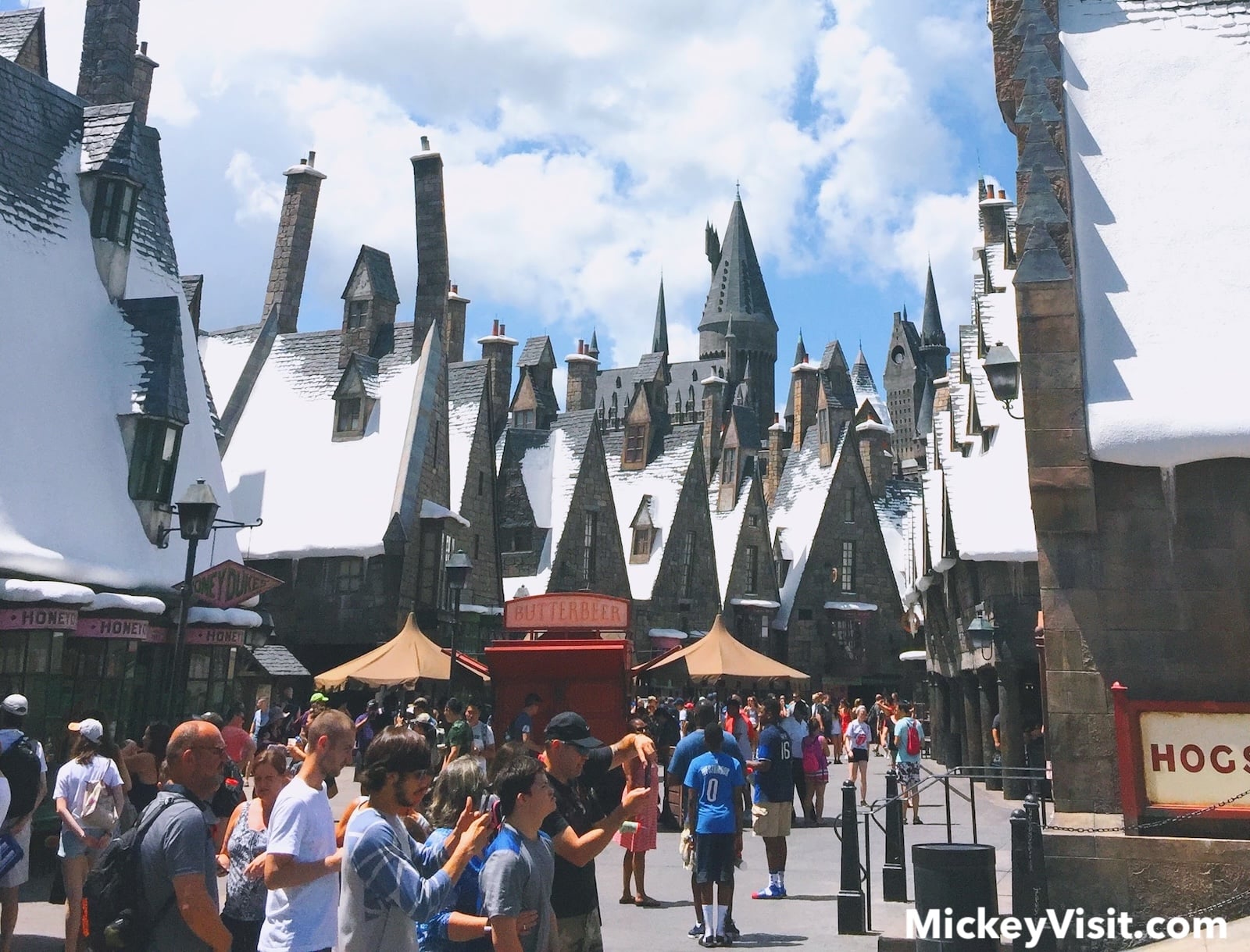
Comcast, the owner of the Universal theme parks, already reported their quarterly results for the same period leading into the summer. Their results were strikingly worse than Disney’s from this quarter.
Universal’s theme park segment saw lower attendance, with leadership pointing to the broader macroeconomic environment as the primary cause. While Epic Universe continues to perform as expected, Comcast President and Co-CEO Mike Cavanagh noted on the company’s earnings call that “attendance across the broader Orlando market began to soften in June, and that trend has continued into the third quarter.”
He attributed the reduced attendance across Universal Studios Florida and Islands of Adventure parks and international locations to higher fuel prices and weaker consumer sentiment, creating near-term lower attendance that has carried into the summer.
The reality of the lower Comcast numbers compared to the Disney numbers indicates the success of a number of strategies that Disney deployed during the quarter. We dive into the specifics of how Disney was able to deliver such a successful quarter when Universal lagged.
During the last quarterly call, Disney leaders stated that they expect Epic Universe to be less of an impact on results in the future. We see that here already.
Disney Discounting and Special Offers in the Theme Parks
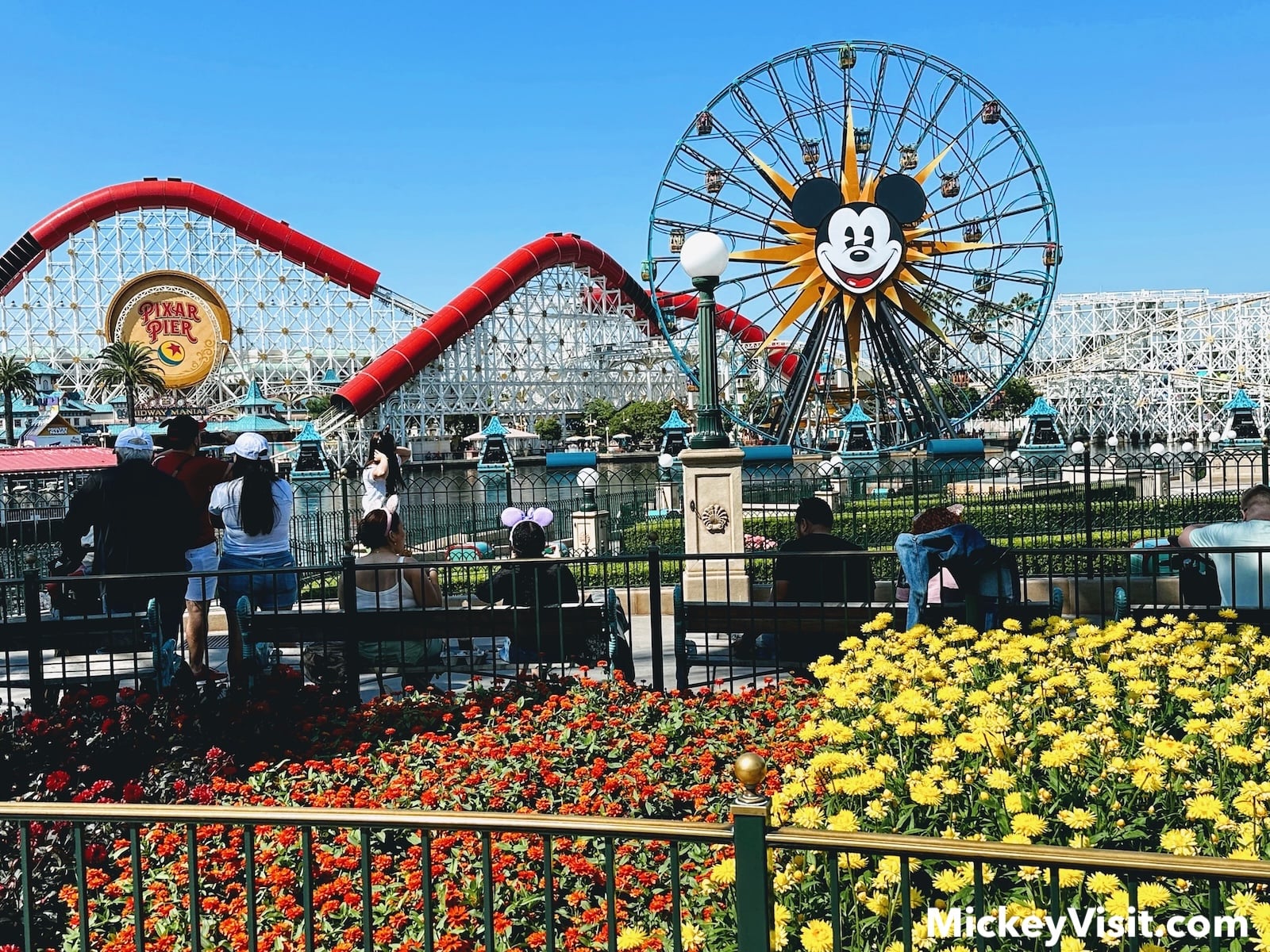
We actively cover the various deals and special offers that Disney utilizes throughout the year to drive visitors. This year the California Resident ticket offer and $50 per day ticket offer drove real attendance at Disneyland. Offerings at Walt Disney World, including a $99 per night hotel offer, also drove attendance.
On the call, an analyst asked if the discounting and specialized pricing were signs of weakening demand. The analyst mentioned the recent after 2 pm ticket at Walt Disney World and new resident ticket offer for Disneyland.
Josh D’Amaro spoke to how they think about offers like these and how they have been used over the course of recent years. “When you see promotions in the market it’s not something to be concerned about or shouldn’t be a measure of the health of the business.”
He continued, saying “We’ve been deploying promotional offers regularly, and what they’re really about is going after a targeted market segment to drive incremental value. Ultimately they make sure we’re making the best use of our assets and all of the capacity that we have available to us. Each of these programs is designed to reach a specific guest, and that could be a value consumer. Maybe we’re going after a local resident. It might be a guest who’s looking for some flexibility in how and when they visit and this is really consistent with how our commercial strategy has evolved and been refined over time, basically to deliver more curated and targeted offerings.”
He spoke to the strength of this quarter being built on these efforts. “Strength was supported in large part by our sophisticated commercial tools and inside of those tools are targeted discounts. I think it is pretty clear with 4% per-capita growth, we’re certainly not discounting our way to volume growth.”
This quote directly aligns with how we talk about price increases at the theme parks. Disney has shifted from considering demand overall to demand based on specific dates and groups of people visiting. They have raised prices at the theme parks for those who want to visit during the most in-demand dates and have launched savings like these to bring in guests who are more reactive to savings. The success of the past quarter demonstrates that they have achieved a solid balance of providing access for guests who are willing to be reactive to discounts and finding new revenue from those who are not price sensitive.
Guest Spending in Disney Theme Parks

Per-capita domestic spending, or the amount of money each guest spends during a visit to Disneyland or Disney World, increased by 4%.
Merchandise and food and beverage revenue growth at the theme parks was due to an increase of 4% from volume growth and 3% from higher average guest spending.
Disney’s theme park ticket prices have continued to rise, so an increase in revenue despite lower attendance makes sense. Disney is expected to be preparing for another round of theme park ticket price increases this October.
They also recently raised food prices on table service restaurants and quick service restaurants at Disneyland. We detail how to lock in the lowest prices on multi-day Disney tickets before they go up in price.
In addition to tickets and food, Disney continues to raise prices on the Lightning Lane skip-the-line offering.
There has also been an increased focus on delivering enticing souvenirs. For instance, the popularity of novelty Disney popcorn buckets, like the new ones coming to Mickey’s Not-So-Scary Halloween Party seen above, has exploded.
Outside Impacts of World on Disney Projects

Another analyst asked about how the war in the Middle East and increasing fuel costs are impacting Disney.
CFO Hugh Johnston spoke to the reality that they are seeing a weaker consumer in Asia at their parks in Shanghai and Hong Kong. He also stated that Disney Cruise Line has not been impacted by the higher fuel costs because of the fuel efficiency program and hedging. We saw this fuel efficiency program up close when we went below deck into a Disney Cruise ship engine room. Check out our full look inside the engine room below deck.
Speaking to the war in the Middle East, Johnston stated that they are building their new theme park in Abu Dhabi for the long term and they “continue to believe in the strategic rationale”. They are fully committed to seeing that project through.
Disney Plus Will Be Front Door to Entire Company
Disney+ launched in 2019 as the streaming service home for The Walt Disney Company. In the past seven years since launch, they have folded Hulu and ESPN programming into the service.
D’Amaro spoke to the power of Disney Plus as the “digital centerpiece” of the entire company saying “we’re the only entertainment company with the global scale in both the physical and digital worlds.”
Hulu standalone and bundle subscribers are now able to link profiles and manage subscriptions in Disney Plus. Disney delivered 13% SVOD operating margin in fiscal Q3 and they remain on track for double digit margins in fiscal 2026 excluding the 53rd week impact.
They are focused on growth of the service outside the US and long-term returns. They plan to bring more regional content on to the service.
Disney’s long-term streaming strategy rests on two goals. To make the streaming experience the best in the marketplace and connect all the Disney businesses into a single digital ecosystem. They plan to better integrate games, merchandise, and other experiences. Plus, they want to lean into other perks for Disney Plus subscribers to deepen engagement. These moves are all meant to increase lifetime fan value, provide a better value proposition, and deepen engagement. They plan to introduce elements of this expanded ecosystem starting in spring of 2027.
The service now also hosts more non-Disney content and debuted Verts, a feed of vertical videos in a TikTok or Reels style. Disney just announced a new partnership with TikTok to bring curated vertical video into the platform in an effort to keep viewers on the platform longer.
They are also leaning into bringing more sports to the platform and the ESPN bundle to deepen the connection to the service.
Last time on the earnings call he specifically talked about connecting the service into the theme parks. “There are millions of Disney+ subscribers who aren’t regular park visitors,” D’Amaro said. “This is where we’re focused. Our parks are essentially the physical centerpiece of the company. Similarly, we’re building Disney+ to serve as the immersive, interactive, digital centerpiece of the company. In the long term, what you’ll see is those pieces of the company become increasingly connected.”
During an answer to an analyst question, D’Amaro emphasized their priority to win the direct-to-consumer relationship with the viewer. They see the success of the Disney bundles with Hulu, ESPN, and HBOMax. As the streaming industry is consolidating, they see it as a better investment backdrop. They want to keep building on their current strategy.
Disney and Use of Technology to Evolve Company

Disney previously announced an investment in OpenAI’s Sora generative AI platform before that platform was shut down. Disney gave more specific updates on their current AI uses across the company during the call.
See our full report on how Disney is using AI across the company from the call that went out earlier today.
We recently reported on Disney’s efforts to integrate AI into the theme park planning processes and theme park apps.
READ MORE – Don’t Waste Your Lightning Lane On This Popular Disneyland Ride
Disney is Moving Consumer Products From Theme Parks to Studios
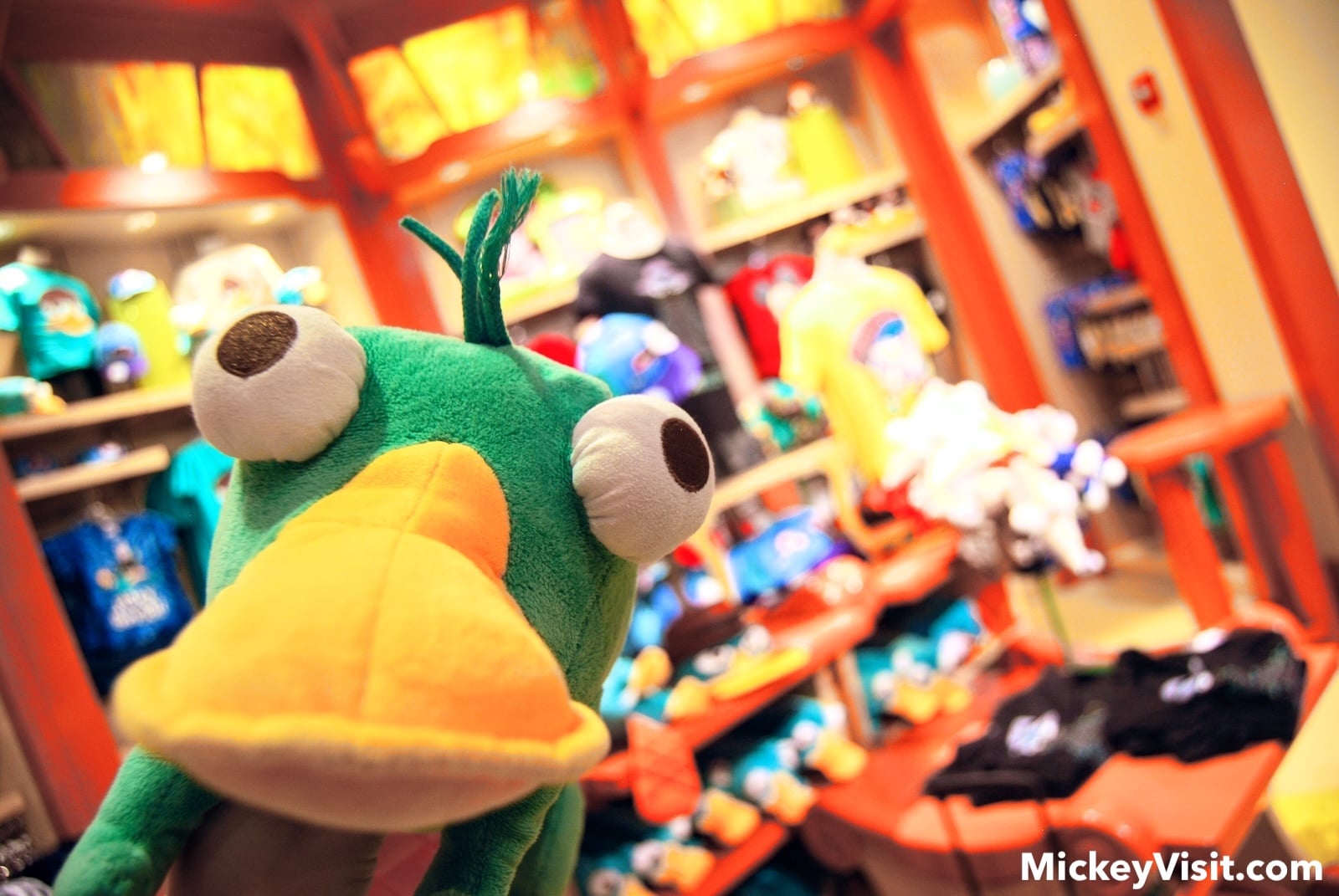
Disney announced the night before the earnings call that they were going to be moving the consumer products group from the Disney Experiences division that manages the theme parks to the Disney Studios division that makes movies. The Disney Consumer Products group guides the creation of all Disney licensed products and merchandise, plus the products that are sold in the theme parks.
The group was merged into the theme park arm back in 2018 under then theme park head Bob Chapek. Now, the group will move under Studios. In a memo from the heads of Disney Experiences and the Disney Studio, Disney says the restructuring is meant to better align Consumer Products with the Disney Entertainment Studios teams that make the films and shows that lead to the creations of merchandise and licensing.
New Theme Park Development Coming

This is all ahead of the upcoming Disney D23 Expo happening next month in August. D23: The Ultimate Disney Fan Event returns to Anaheim, California, from August 14 to 16, 2026. This is Disney’s official convention, held every two years and filled with a massive schedule of announcements, history-based retrospectives, celebrity appearances, and fan activations.
On the call, Josh D’Amaro stated that they are “proud of the growth that we’ve had this year and we’re investing to sustain that growth and over the lifetime of these projects will deliver double-digit returns.”
He continued stating, “We are being disciplined in our capital allocation with a focus on expanding our capacity around the world and driving incremental demand.”
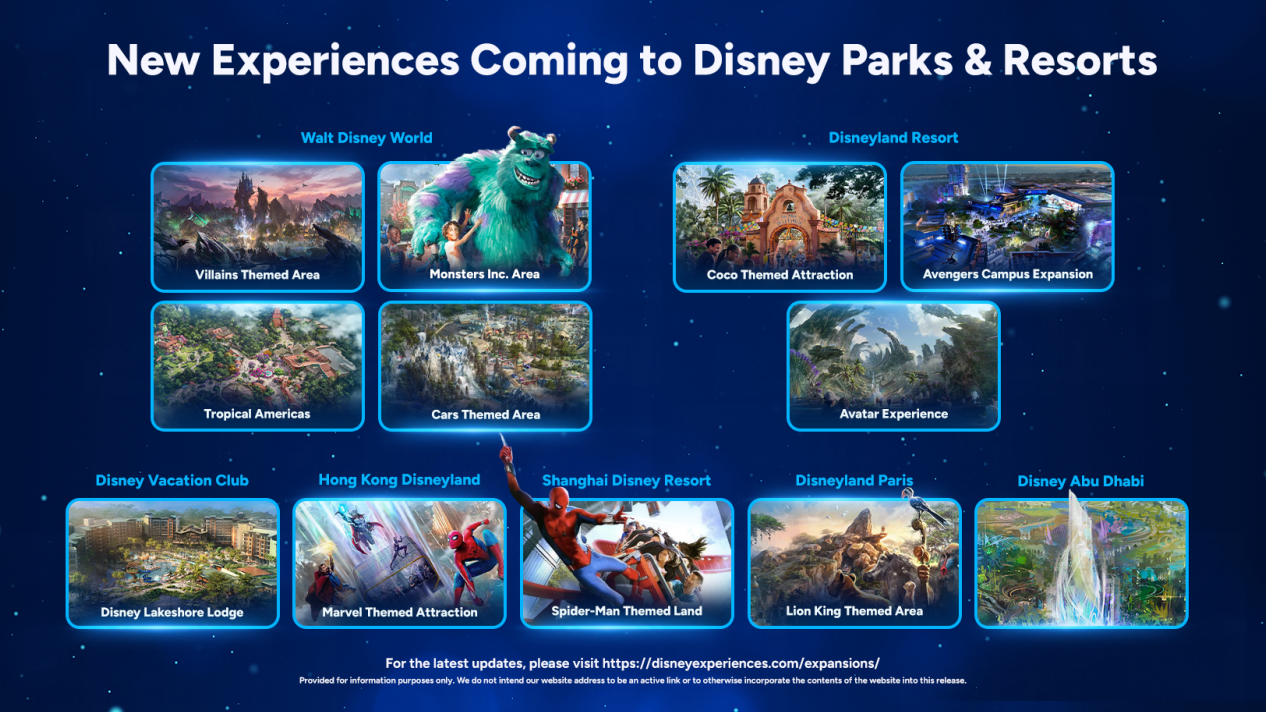
He specifically mentioned the new Villains Land and Avengers Campus expansion saying “the pipeline includes new attractions at every site including Villains Land in Orlando and the Avengers Campus expansion in Anaheim amongst others in the US. And, our previously announced cruise ship expansion.”
In a response to an analyst question, Johnston stated that he doesn’t anticipate any delays with upcoming Disney Cruise Line ships. This comes after the Disney Adventure ship was delayed earlier this year. That launch was different from other Disney launches because it was the conversion of an existing ship.
We expect to see new updates on all of the upcoming rides and attractions around the world. We made predictions on what’s coming to Disneyland, what’s coming to Disney World, and what’s coming to the Disney Experiences around the world and cruise line.
Disney has already announced new additions around the world. At Walt Disney World, they’ve shared they are building a Villains Land, new Cars rides, a Monsters, Inc. land, and a Tropical Americas land with Encanto and Indiana Jones rides. At Disneyland Resort, they are building a new Coco ride, two new Avengers rides, and an Avatar land.
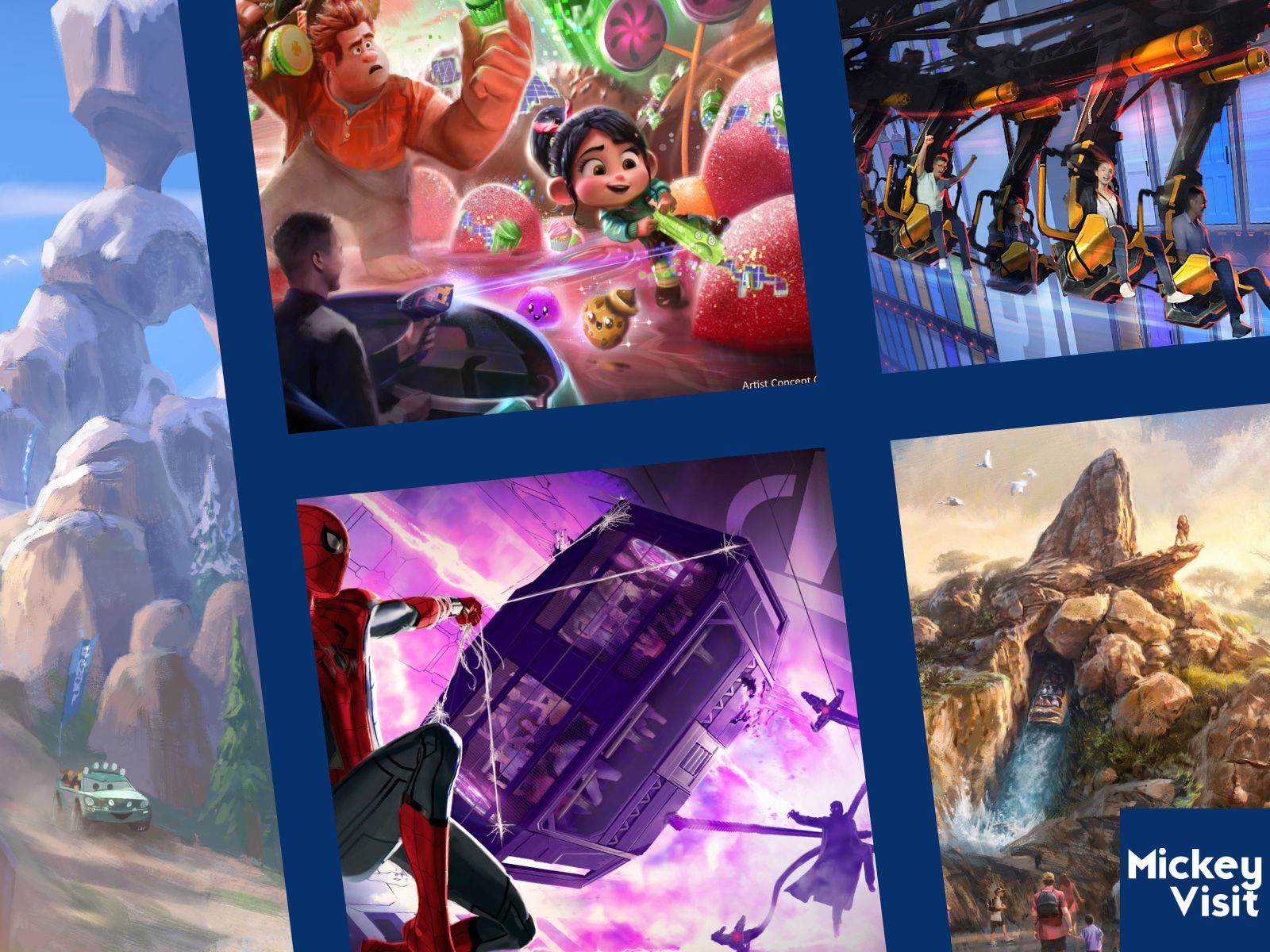
At Tokyo Disney, they are working on a revamped Space Mountain and a new Wreck-It Ralph ride. They are working on new Spider-Man rides at Hong Kong Disneyland and Shanghai Disneyland. Perhaps what I am most excited for is a Lion King log flume at Disney Adventure World in Paris.
They are also working on the expansion of Disney Cruise Line’s fleet to include 13 ships by 2031 and a new Disney theme park in Abu Dhabi.
Disney’s Business Beyond the Theme Parks That Greatly Impacts It
In addition to Disney’s Experiences division, the company also has the Entertainment and Sports divisions. Both are intertwined with the rest of the company. At one point the sports division was the most important of the different business lines because the ESPN cable channel made so much money for the company. In the past 15 years or so, the profit driver of the company has shifted from sports to theme parks.
We used to say as goes ESPN, so goes the Disney company. Now though, we can more confidently say as goes the Disney theme parks, so goes the Disney company.
Net income for Disney’s fiscal third quarter was $2.64 billion compared with $5.26 billion during the same period last year. The quarter last year benefitted from tax benefits from the purchase of Hulu according to CNBC.
Let’s now turn to the Entertainment and Sports numbers from the quarter.
The Entertainment division at the company includes all theatrical releases, streaming, and linear television networks like ABC, Disney Channel, and FX. Disney’s entertainment segment saw revenue rise 6% to $11.35 billion.
Disney’s Sports division, which is ESPN, reported a revenue increase of 4% to $4.5 billion.
D’Amaro pointed to the success of ESPN and sports storytelling. “The unique passion of sports fandom drove over 100% growth in NBA Finals and NHL post-season viewership across ESPN and ABC vs the prior season making this the most viewed fiscal Q3 across ESPN, ESPN 2, and ESPN on ABC since 2016.”
ESPN’s growth of the ESPN Unlimited subscription plan as part of the Disney Plus bundle remains a big focus for the company. This is their product to shift cable subscribers to for them to maintain access to the live service.
Stay tuned as we report on all the different impacts to the Disney theme parks in the coming weeks. We have a ton of upcoming news events that we anticipate having updates for you from. We will be watching closely as Disney’s new leadership defines more of its plans for the future.
Don’t Miss the Latest Disney News
Don’t miss the latest Disneyland and Disney World news from Mickey Visit. Join the FREE Mickey Visit newsletter that over 100k readers receive every single week. Mickey Visit is here to help you save money and experience more during your Disney and Universal vacation. See the Mickey Visit guide to Disneyland and the Mickey Visit guide to Disney World for tips.



The slide showing new attractions coming to the parks reinforces that Avatar not Zootopia is coming to California Adventure.
Yes, had the same thought. We have an article coming out today mentioning that and expected news for Avatar.
Why aren’t news outlets calling out the mistreatment od the diabled community. Pretending we don’t exist and pushing us out of the parks is heartbreaking. At the same time advertising inclusion and acceptance. While we arr subjected to being humiliated and having to beg for assistance at every attraction not knowing what the put come will be. The condescending statements that are said or the looks that we are given. Let alone the process to even apply. The repeated open ended questions, comparing everyday life to a day in the park… being told to purchase LL, separate from youe family and even being asked why do you come to the parks. The so called medical professionals who’s purpose is to find even 1 claim so they can deny the individual. Make this make sense. A child given a make a wish trip, they are so ill that this is a once in a lifetime opportunity are denied DAS. A wound warrior who doesn’t need a wheel chair or scooter being told thats your opinion. The reality is the world is cruel. Disney was a place that made us feel accepted, cared for and seen. The changes have now made us feel as many do, as a burden, a problem, a loss leader…
Interesting too bad they treat the employees like garbage they need to do better about that