
Even with the best intentions, not everything that gets the green light at Walt Disney Imagineering makes it to the theme parks. Sometimes a better idea comes along early in the design phase. Other times, Disney confidently moves forward with public announcements before backtracking. Financial restraints, creative concerns, or simply a matter of timing may lead to a project being scrapped. As Disney currently builds 22 new rides at its parks around the world, let’s take a look at some of the Imagineers’ abandoned concepts over the decades.
Below, we’ll break down 10 theme park attractions that Imagineers developed for Walt Disney World in Florida but never built. Mickey Visit brings you the latest Disney news and planning resources, including former Disney CEO Bob Chapek’s comments on price increases and a Taylor Swift song now playing on a Disney World ride.
READ MORE – These 10 Disney Rides Have Changed Dramatically Since Their Opening
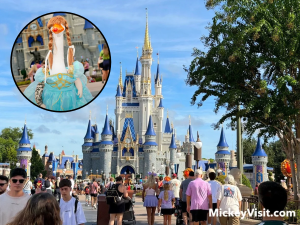
Pixie Hollow
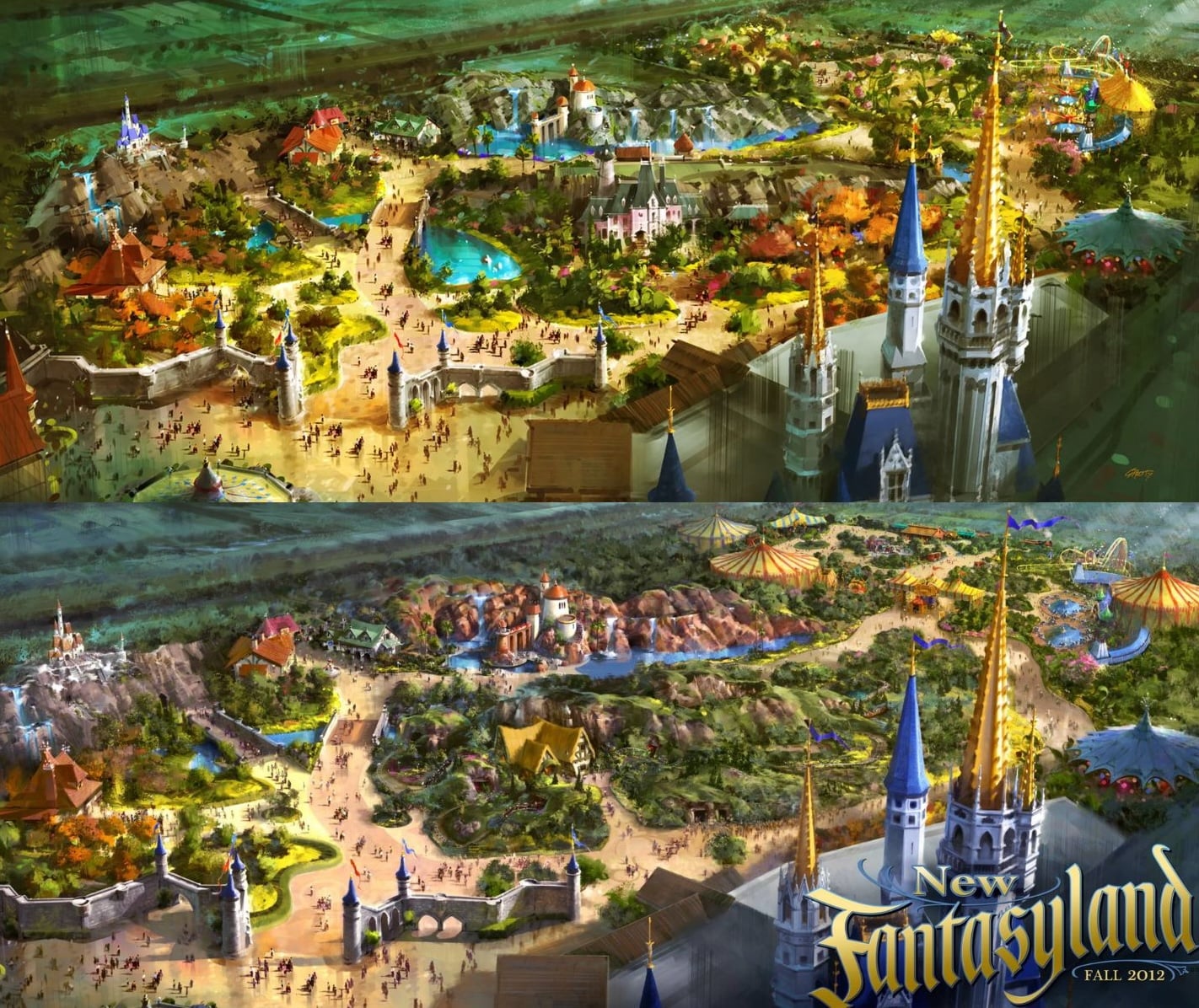
An expansion of Fantasyland at Magic Kingdom opened in two phases from 2012 to 2014. It introduced now-familiar attractions like Enchanted Tales With Belle, Be Our Guest Restaurant, Gaston’s Tavern, Under the Sea ~ Journey of the Little Mermaid, Seven Dwarfs Mine Train, and Storybook Circus, with its side-by-side Dumbos.
The overall project was originally announced at D23 Expo 2009 as Fantasyland Forest. Disney’s plans at the time included several items that wound up canceled, including an area based on Pixie Hollow, the setting of the Tinker Bell direct-to-DVD films, which had launched in 2008.
Disney World Ride Closure ALERTS, Major Park Changes, Secrets Revealed
Get alerts on closures, park changes, exclusive discounts, and free printables. Trusted by 100,000+ Disney fans & planners.
No specific attractions were revealed, but Disney said guests would shrink to fairy-size to visit Pixie Hollow. Concept art depicted the large Pixie Dust Tree from the movies.
“The Tinker Bell films are a fairly new addition to the Fantasyland mythology, but Tink’s close ties to a classic film like Peter Pan really inspired our Imagineers to include them in the expansion,” Imagineer Jon Georges told Disney twenty-three magazine in 2010.
Disney said Pixie Hollow would open in 2013. Instead, the finished plans for the Fantasyland expansion made the footprint of Storybook Circus larger. We’ll share more abandoned concepts from Fantasyland Forest later in this story.
A Pixie Hollow meet-and-greet area still exists at Disneyland, and an outdoor ride called Fairy Tinker Bell’s Busy Buggies opened at Tokyo DisneySea in 2024.
Beastly Kingdom
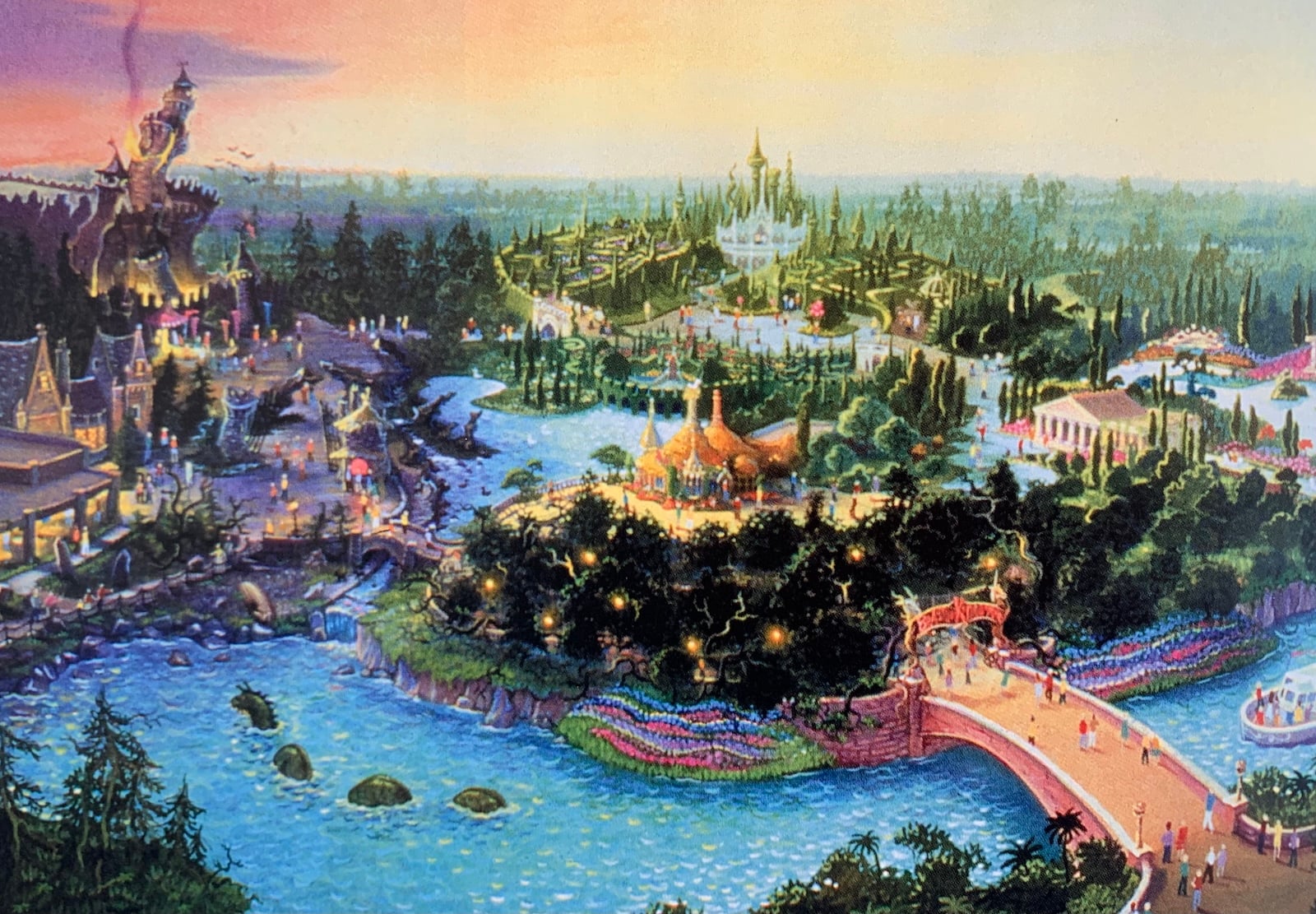
One of the most discussed never-built projects of Disney World lore is Beastly Kingdom, a land planned for Disney’s Animal Kingdom that would be dedicated to imaginary creatures. Disney formally announced Beastly Kingdom as early as 1994.
At the time, the Orlando Sentinel described Beastly Kingdom as being divided into two sections of good and evil. “The evil side features an inverted roller coaster that weaves through the burned-out castle of a treasure-hoarding dragon,” the Sentinel wrote. The coaster would have concluded with “a fiery confrontation with the dragon.”
The good side would have included a hedge maze leading to a unicorn grotto.
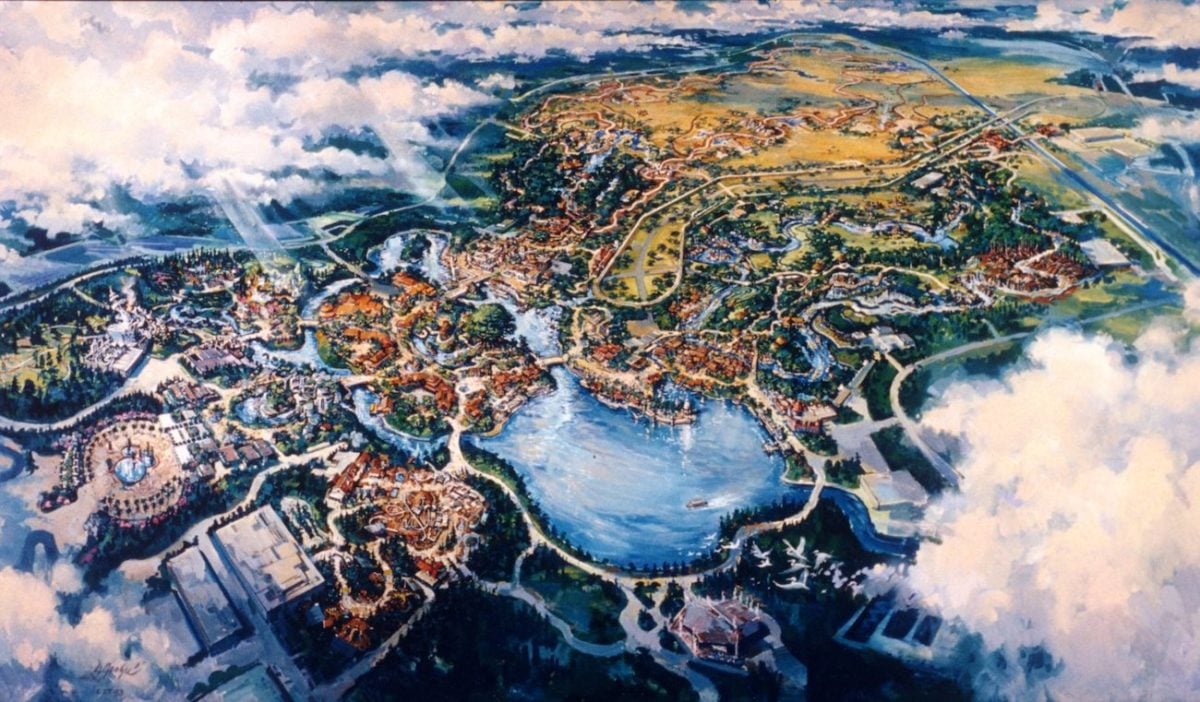
Concept art officially published by Disney in the 1998 book “The Making of Disney’s Animal Kingdom Theme Park” by Melody Malmberg, pictured above, supports these descriptions, showing a foreboding medieval village juxtaposed with a lush, manicured garden. The concept artwork in the image at the top of the article was shared by Park Stop and is also of the expanded Animal Kingdom.
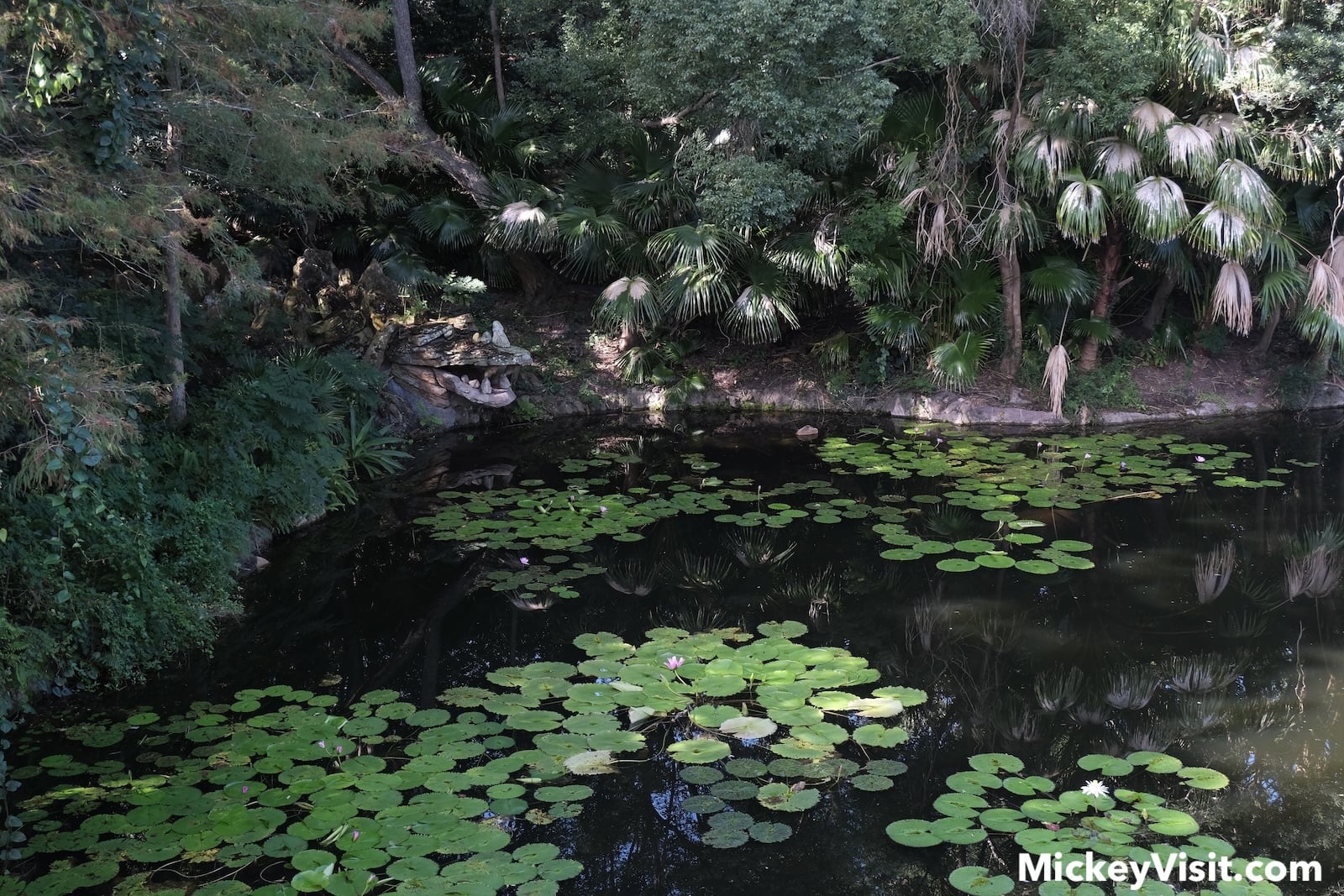
Instead of Beastly Kingdom, Disney built the lower-scale Camp Minnie-Mickey, lightly themed as a summer camp character greeting haven that was later replaced by Pandora – The World of Avatar. To this day, a rock formation in the shape of a dragon’s head, pictured above, flanks the riverbank under the bridge leading into Pandora as a gesture of what might have been.
As for the high-thrill coaster through castle ruins and leading to a dragon encounter, that description sounds spot-on with the Maleficent coaster currently under construction for Villains Land at Magic Kingdom.
Mary Poppins Returns
Disney announced a Mary Poppins attraction for EPCOT at D23 Expo 2019. Then-Chairman of Disney Parks, Experiences, & Products Bob Chapek revealed the news to the crowd of Disney fans at the convention.
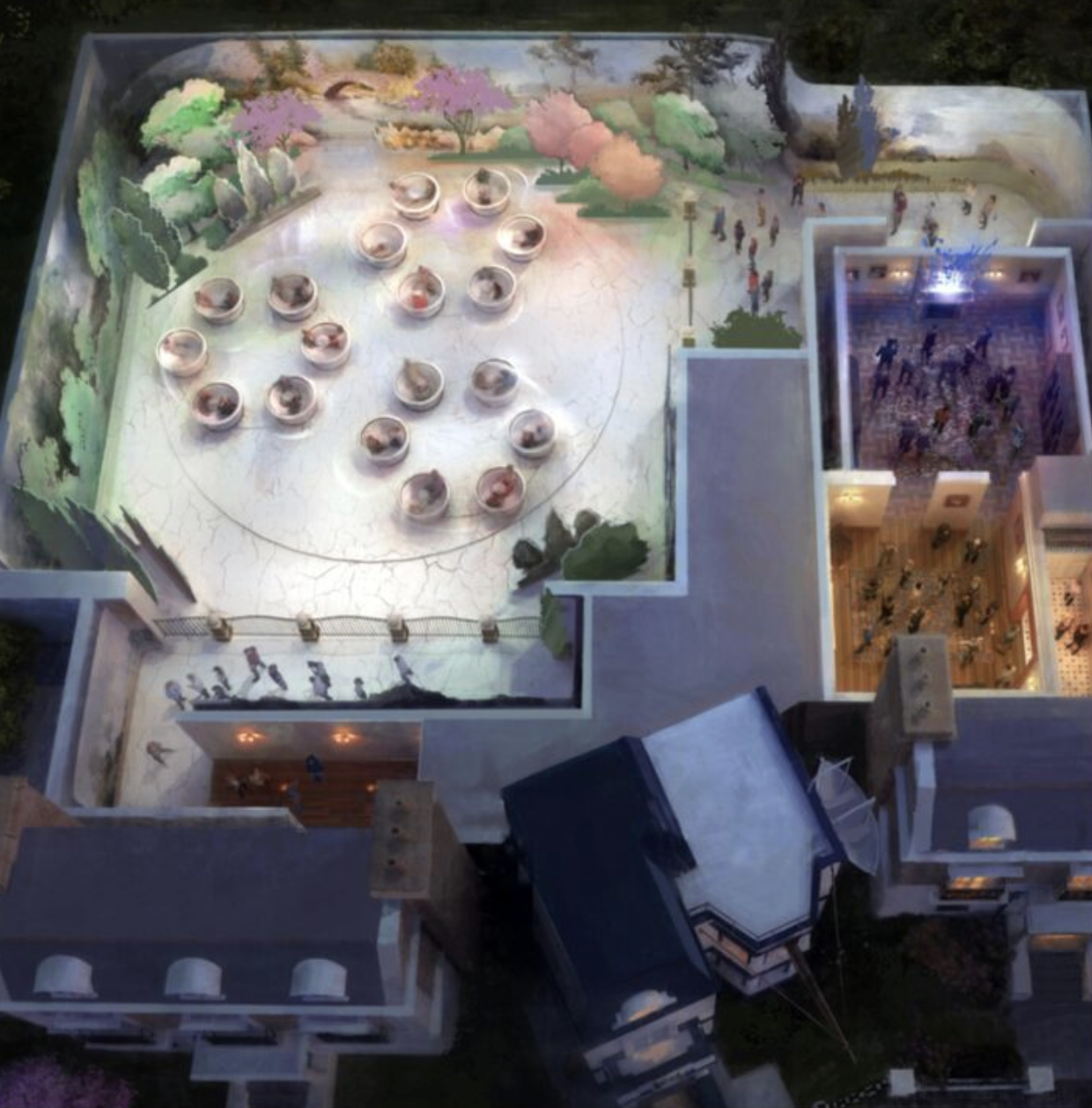
The project would basically be a mini-land within World Showcase’s United Kingdom Pavilion, depicting a full-scale Cherry Tree Lane. Guests would step into the Bankses’ home for the attraction. Disney never shared specifics about what type of attraction or ride this project would have been, but former Imagineer Damon Pressman later shared his portfolio online with concept art for an indoor teacups ride that would’ve taken place within the animated sequence of Mary Poppins Returns.
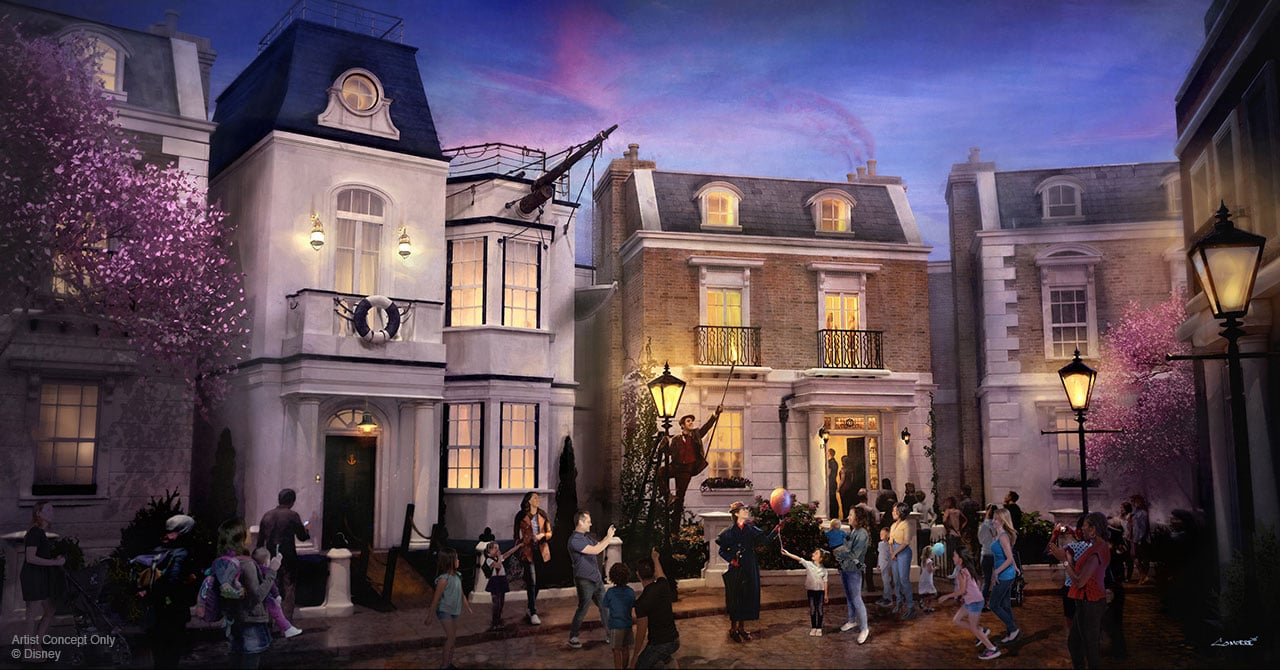
Concept art shown during the D23 2019 presentation included Lin-Manuel Miranda’s likeness as Jack the lamp lighter from Mary Poppins Returns, affirming the attraction would be based on that sequel rather than the 1964 original. When Disney later opened The EPCOT Experience, a preview center for coming attractions, it included Emily Blunt’s voice, not Julie Andrews’s, during the show room’s Mary Poppins segment.
The company eventually quietly stopped mentioning the Mary Poppins attraction. The United Kingdom Pavilion remains without any major attractions today.
Lion King Inside the Tree of Life
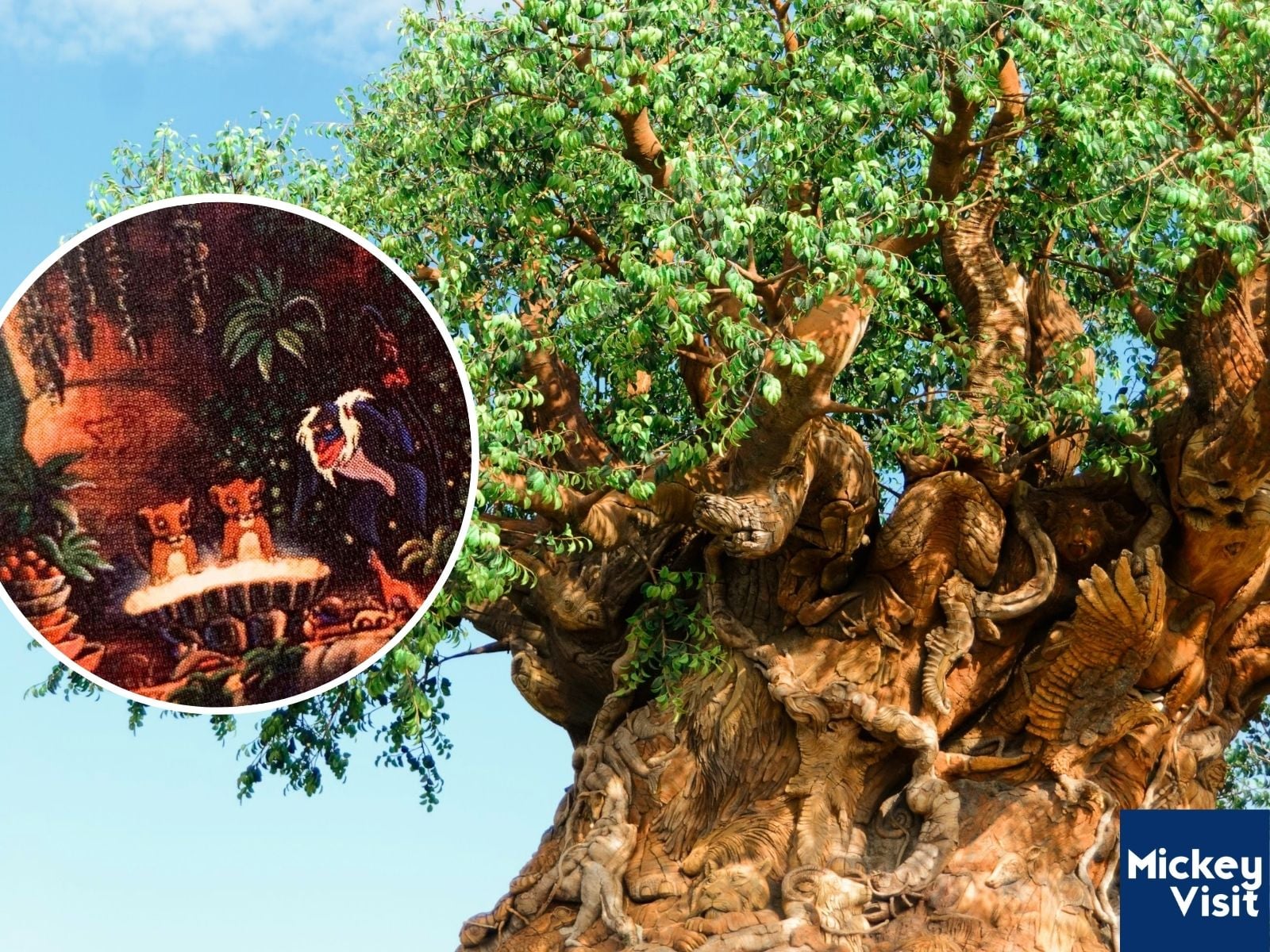
Today, guests visiting Disney’s Animal Kingdom can go inside the park’s Tree of Life to experience a 3D show called Zootopia: Better Zoogether!, but the original tenant of this theater was It’s Tough to Be a Bug!, a show inspired by A Bug’s Life.
Before the Imagineers settled on the bug theme, they considered other concepts for the venue, including a show based on The Lion King. Concept art by Imagineer Dave Minichiello, published in the 2007 book The Imagineering Field Guide to Disney’s Animal Kingdom, depicts Rafiki with a young Simba and Nala inside the mandrill’s tree, glancing into a cauldron bubbling with fog.
It’s unclear if this show would have been a film on a screen or a live production with performers. The same book also presents alternate concept art by Imagineer Bryan Jowers for a “wonders of nature” show featuring what looks like a flower goddess and an elephant.
Cinderella’s Stepfamily’s House
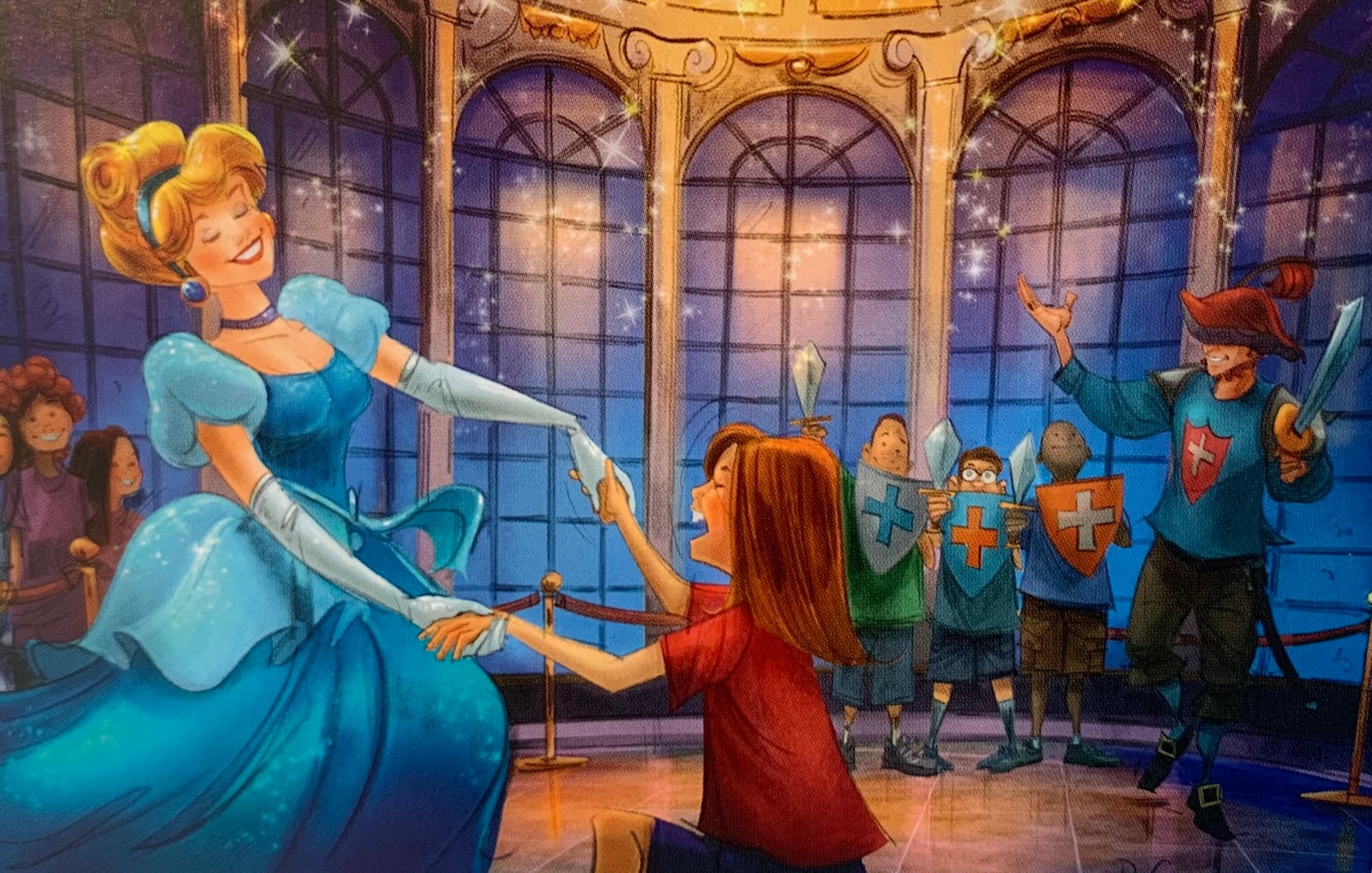
As we mentioned earlier with the Pixie Hollow concept, several attractions for Magic Kingdom’s Fantasyland expansion of the 2010s were canceled in favor of different ideas. Another such attraction was Dreams Come True With Cinderella. Think of it as a Cinderella version of Enchanted Tales With Belle. Disney really went all-in on these Princess encounters, planning on three (!) variations of the same idea with Belle, Cinderella, and Aurora, which we’ll get to in a moment.
Ignoring the giant castle bearing Cinderella’s name in the middle of Magic Kingdom, guests would travel back in time to visit the chateau of Lady Tremaine, Cinderella’s stepmother.
“You arrive the moment [Cinderella] realizes she won’t be going to the ball, and her dress will transform from rags to a ball gown before your eyes, and then she’ll step down and have a 15-minute interaction with the guests,” Imagineer Jon Georges told Disney twenty-three magazine in 2010.
Georges said that “guests help her prepare for the ball by learning how to dance or, for the boys, learning the gallant ways of a knight in shining armor.”
Disney dropped its plans for Dreams Come True With Cinderella, opting instead to build the Seven Dwarfs Mine Train roller coaster.
READ MORE – These 10 Disney Rides Are Far Better Than The Ones They Replaced
Trolleys on Hollywood Boulevard
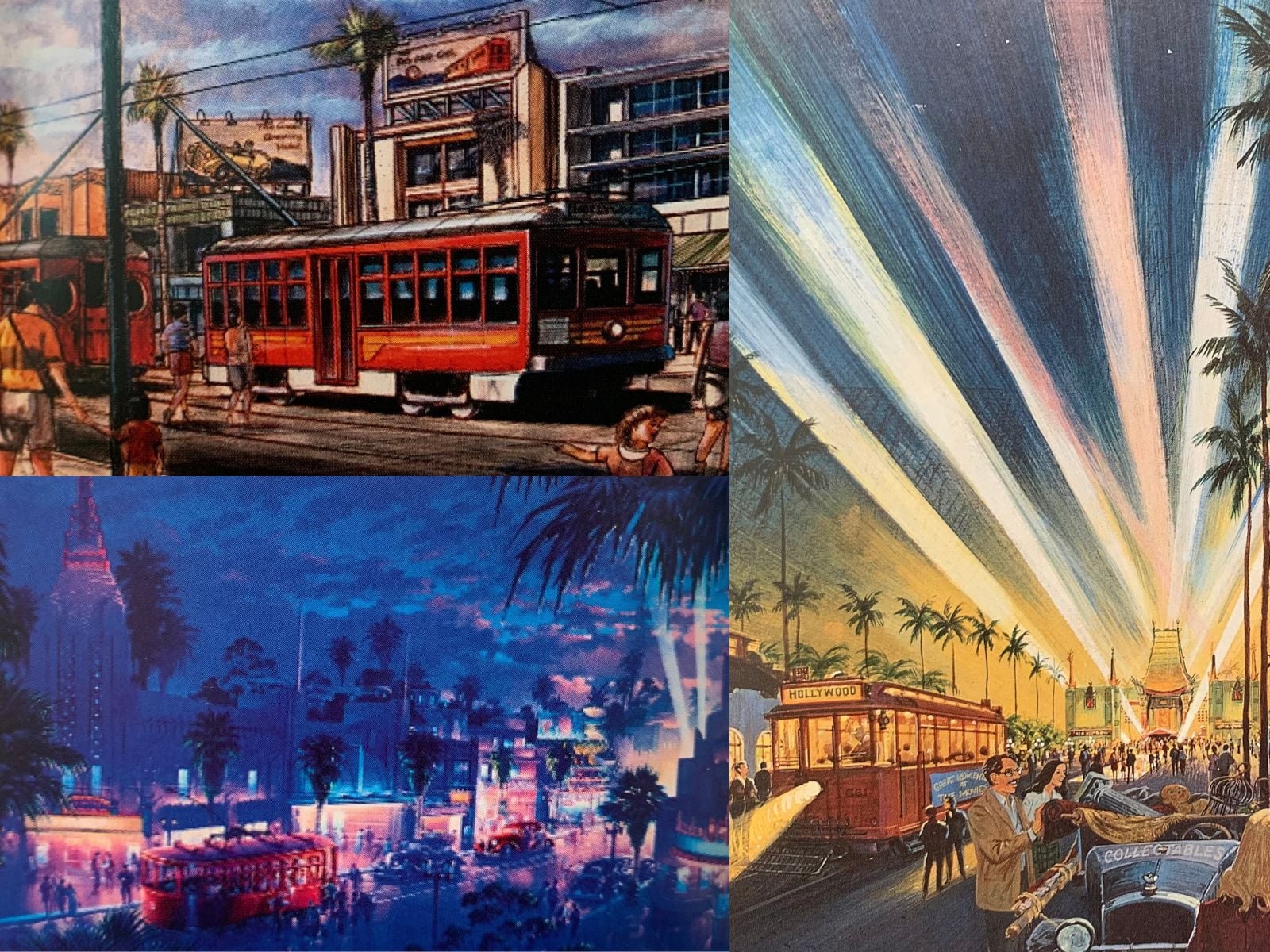
Disney-MGM Studios (now Disney’s Hollywood Studios) opened in 1989 with Hollywood Boulevard, a fanciful street straight out of the 1930s, as its entrance thoroughfare.
Multiple pieces of concept art for the park’s Hollywood Boulevard show a trolley with an overhead wire. These are seen in the 2010 book The Imagineering Field Guide to Disney’s Hollywood Studios by Alex Wright, among other books. The repetition of the trolley in several pieces of artwork leads me to believe this was a real attraction planned for the park rather than a fanciful flourish on the artists’ part to fill out their illustrations.
While Disney’s Hollywood Studios didn’t open with a trolley and never added one later, a wired trolley transportation system did finally open with the transformation of Disney California Adventure in 2012. The Red Car Trolley took guests up and down Buena Vista Street, which depicts a romanticized Hollywood circa 1923. The trolley also served as a stage for the Red Car News Boys, a Newsies-style dancing troupe. The Red Car Trolley closed in 2025 to accommodate construction for the upcoming Avengers Campus expansion.
Western River Expedition
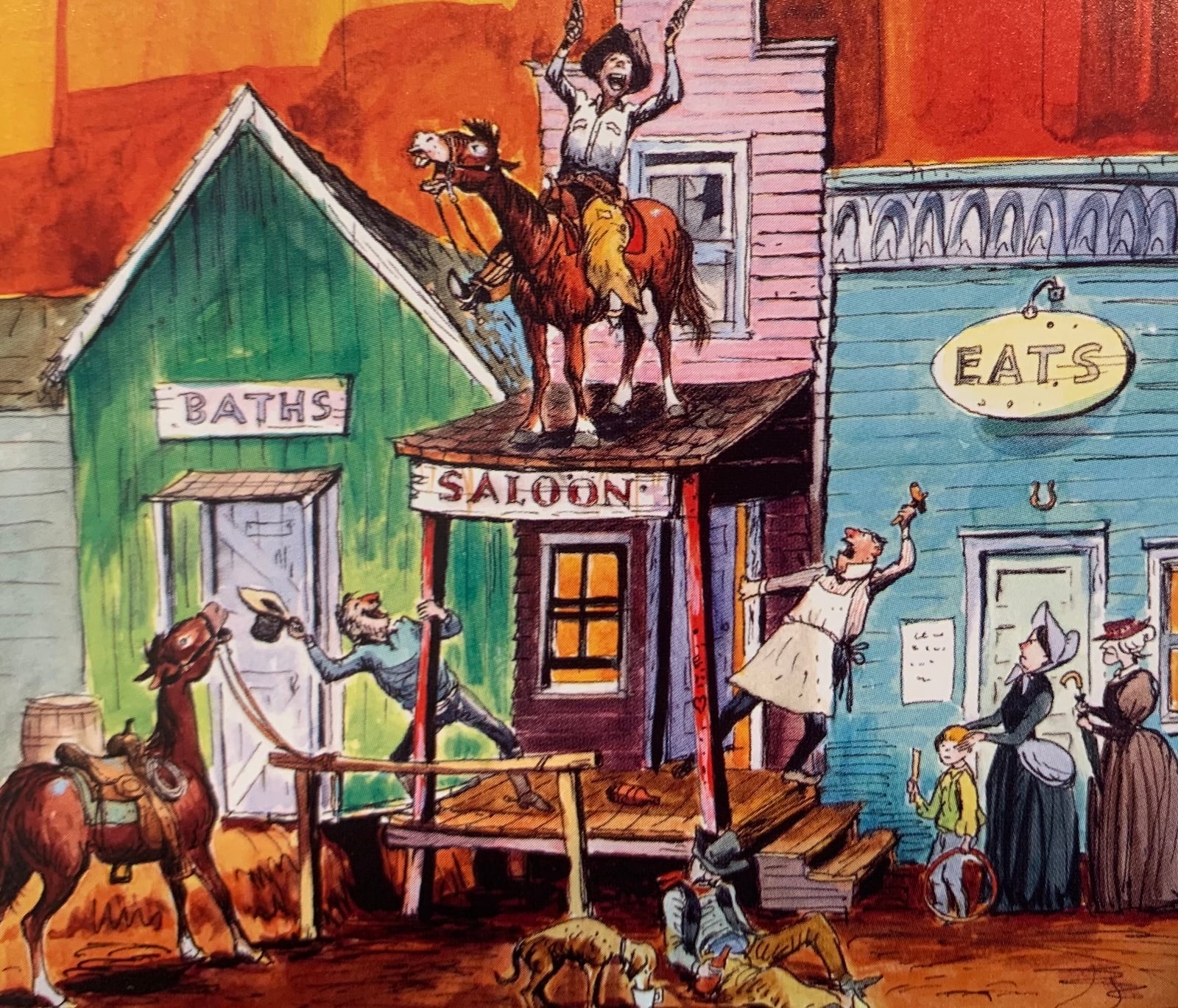
Today, Big Thunder Mountain Railroad takes Magic Kingdom guests on “the wildest ride in the wilderness,” a signature attraction unto itself, but it began its life as one part of a bigger whole.
A huge concept called Thunder Mesa was planned to open with Magic Kingdom in 1971. It would include the runaway train coaster we know now as Big Thunder, along with trails, rides on real mules, and Western River Expedition, a boat ride with Audio-Animatronics characters of cowboys and Native Americans.
Former Imagineer Jason Surrell chronicles the scope of Western River Expedition in his 2007 book The Disney Mountains: Imagineering at Its Peak. The ride was the brainchild of longtime animator-turned-Imagineer Marc Davis.
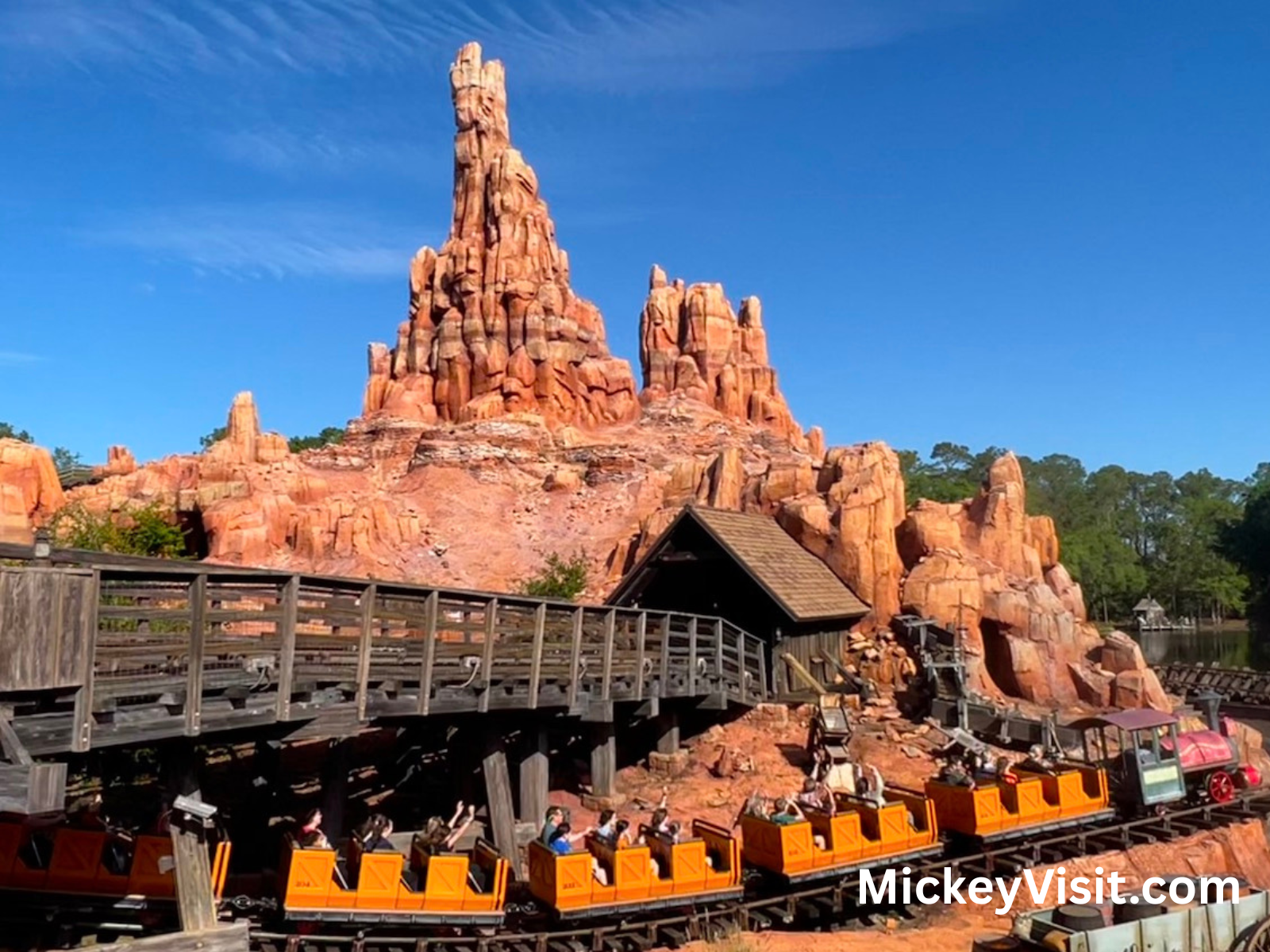
“Western River Expedition would have been a wild and wooly musical adventure … culminating with a raging forest fire and a final, dizzying plunge down a waterfall to the shores of the Rivers of America,” Surrell writes.
Budget cuts led to the Thunder Mesa project being postponed and Disney building a scaled-down version of Disneyland’s Pirates of the Caribbean instead, which opened in 1973. Once the Thunder Mesa project was in development again, Disney opted to only move forward with the runaway mine train component, not Western River Expedition. Surrell cites budget, similarities to Pirates of the Caribbean, and cultural sensitivity toward the attraction’s harmful depiction of Native Americans as reasons Western River Expedition was canceled.
Big Thunder Mountain Railroad eventually opened at Disneyland first, in 1979, then at Magic Kingdom in 1980.
Broadway-Style Theater Behind Main Street
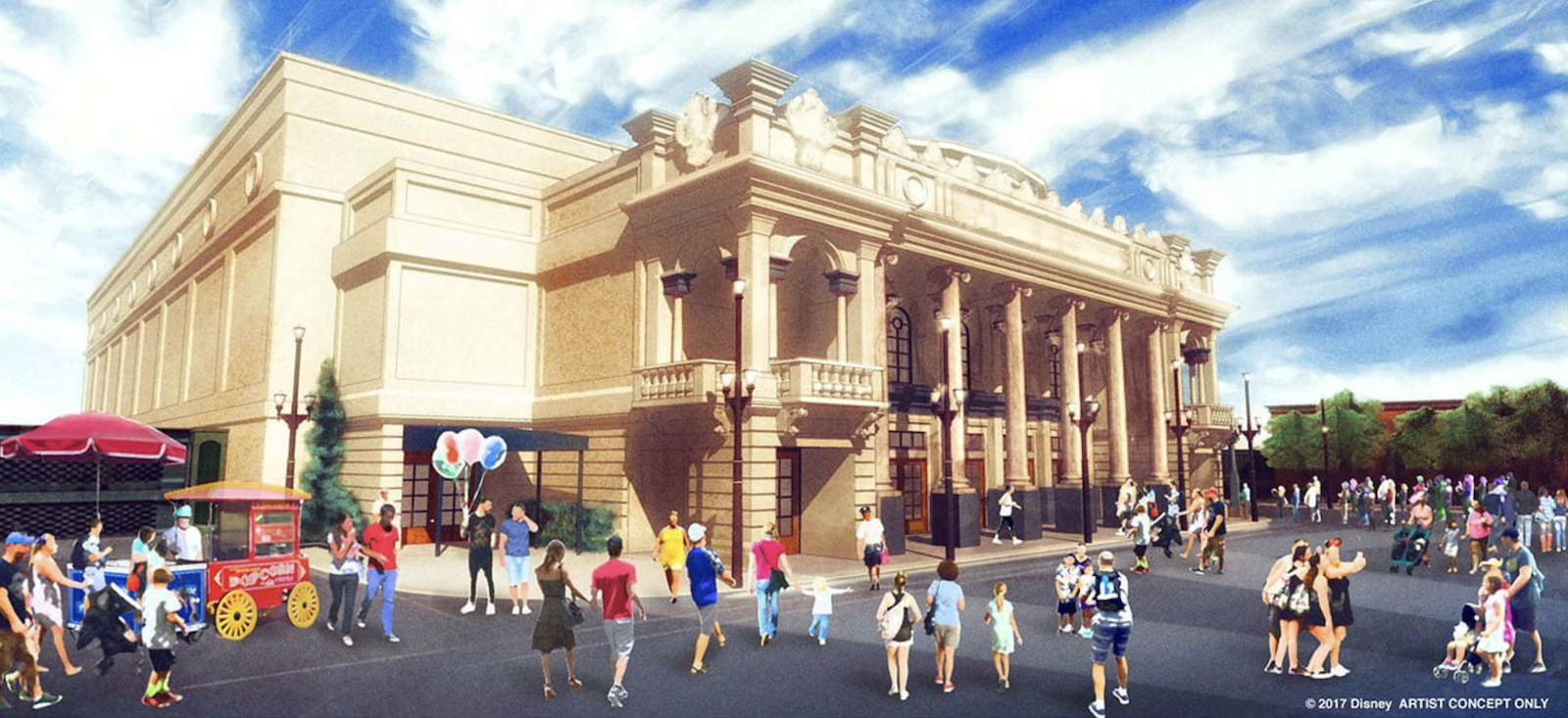
Disney announced a new indoor theater coming to Main Street, U.S.A., at Magic Kingdom, but never built it. Bob Chapek revealed the news during D23 Expo 2017, saying that the theater would be modeled after the 1920s-era Willis Theater in Kansas City.
Chapek did not announce any specific shows for the theater. However, during the presentation, he mentioned Finding Nemo: The Musical at Disney’s Animal Kingdom leading into his announcement.
This leads me to think the theater on Main Street would have performed Broadway-style shows, like Nemo, and like those performed in the Hyperion Theater in Disney California Adventure, rather than productions with traditional mascot characters, like the shows on the castle stage.
Aurora’s House
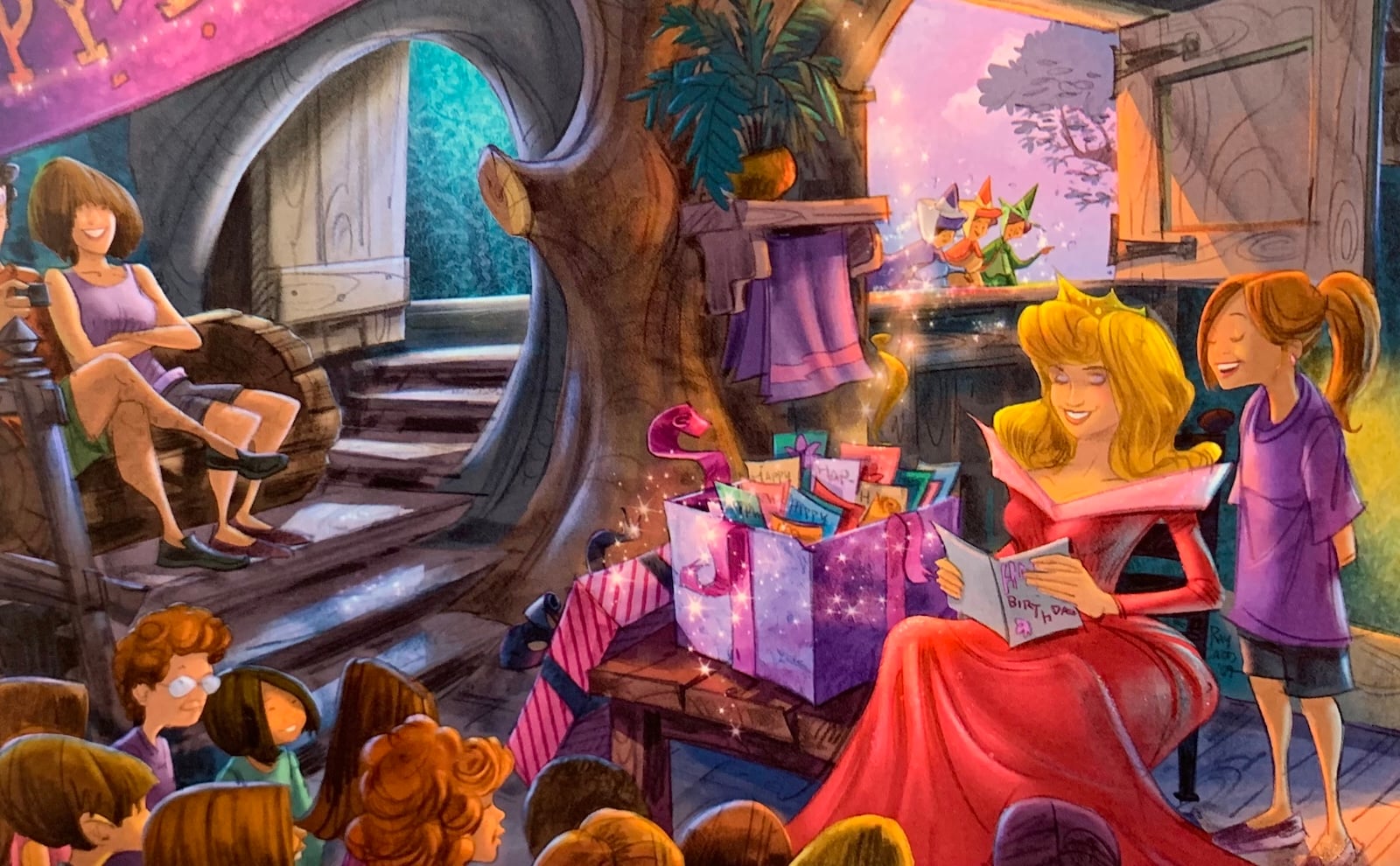
The original plans for Fantasyland Forest, the expansion of Magic Kingdom’s Fantasyland announced in 2009, included a whopping three Disney Princess character meet-and-greet houses: one for Belle, which opened, and two others for Cinderella (described above) and Aurora, aka Sleeping Beauty, both of which were canceled.
This attraction was to be called A Birthday Surprise For Sleeping Beauty. Disney announced it at D23 Expo 2009. It would have involved guests entering the cottage in the woods where Aurora grew up as Briar Rose, hidden from her true identity as a princess. With the help of the fairies Flora, Fauna, and Merryweather, guests would have thrown a surprise party for Aurora, including making birthday cards to give to her, since she was asleep for her 16th birthday.
Disney canceled its plans for the Aurora and Cinderella character greeting experiences, opting to build Seven Dwarfs Mine Train where those houses were originally planned to be located. However, to compensate for the huge demand for Disney Princess characters, Disney in turn also permanently closed Snow White’s Scary Adventures to make way for a Princess Fairytale Hall, a traditional meet-and-greet location with no special entertainment or storyline.
Noah’s Ark
Today, guests enter Disney’s Animal Kingdom by walking through The Oasis, a small but lush jungle. This outdoor corridor, with its abundance of plants and occasional animal sightings, is meant to represent nature at the very beginning of time, untarnished by humanity, “a time when the complex issues addressed in the rest of the park have not yet arisen,” writes Imagineer Alex Wright in the 2007 book The Imagineering Field Guide to Disney’s Animal Kingdom.
Several early ideas for The Oasis took this notion a few steps further into biblical allegories. The same book includes concept art for a vast overlook called Genesis Gardens, named after the first book of the Old Testament and seemingly taking place just before its faith’s account of Adam and Eve.
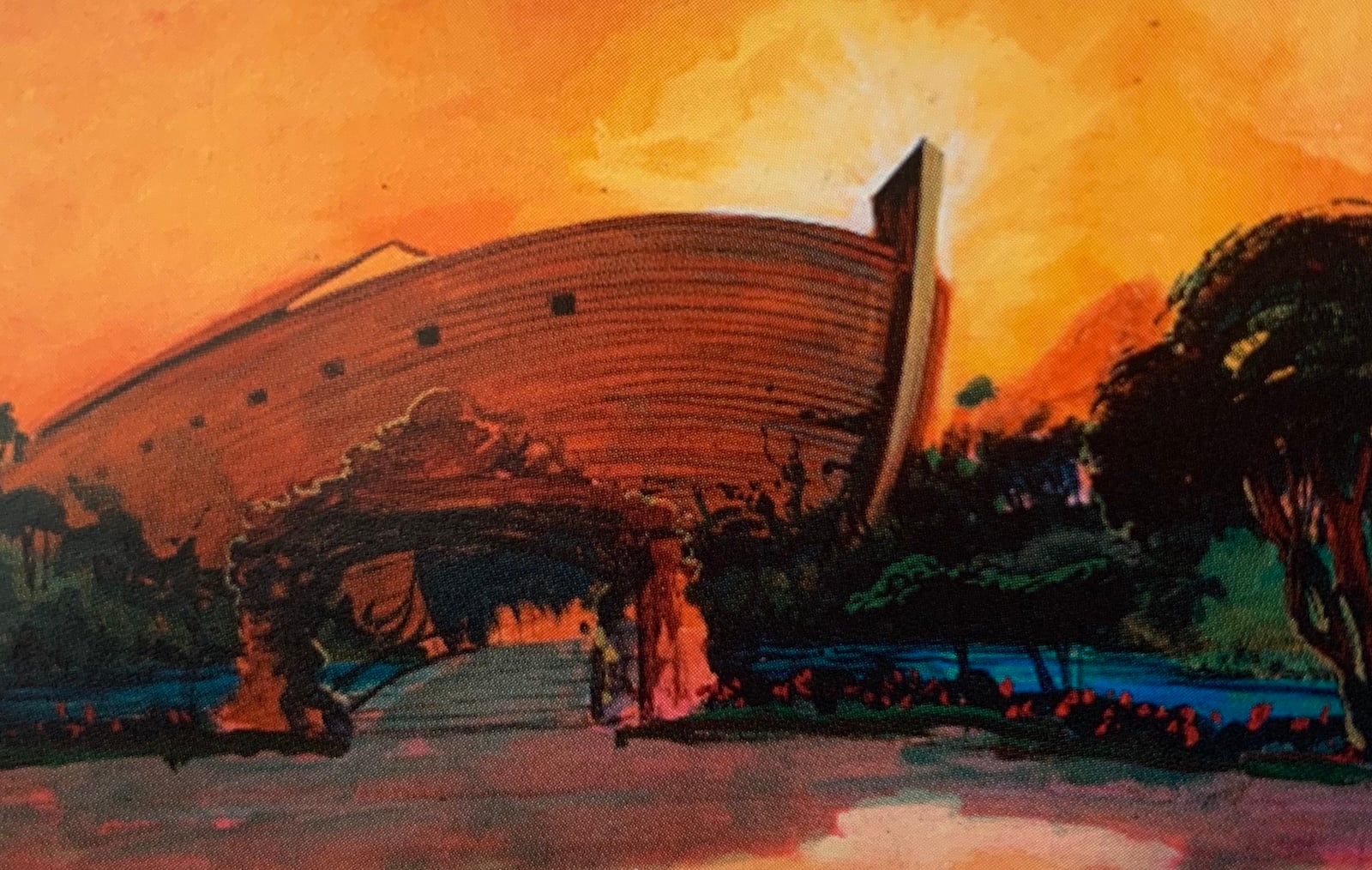
A different concept illustration shows a giant boat, seemingly depicting Noah’s Ark, another Old Testament story. This would have swapped the “unspoiled nature” motif to instead focus on the myth of the man tasked with gathering two of every animal before a flood wiped out the rest of the planet’s population. The book doesn’t describe the artwork or detail what guests may have seen once they stepped inside the ark.
Don’t Miss the Latest Disney News
Don’t miss the latest Disneyland and Disney World news from Mickey Visit. Join the FREE Mickey Visit newsletter that over 100k readers receive every single week. Mickey Visit is here to help you save money and experience more during your Disney and Universal vacation. See the Mickey Visit guide to Disneyland and the Mickey Visit guide to Disney World for tips.