
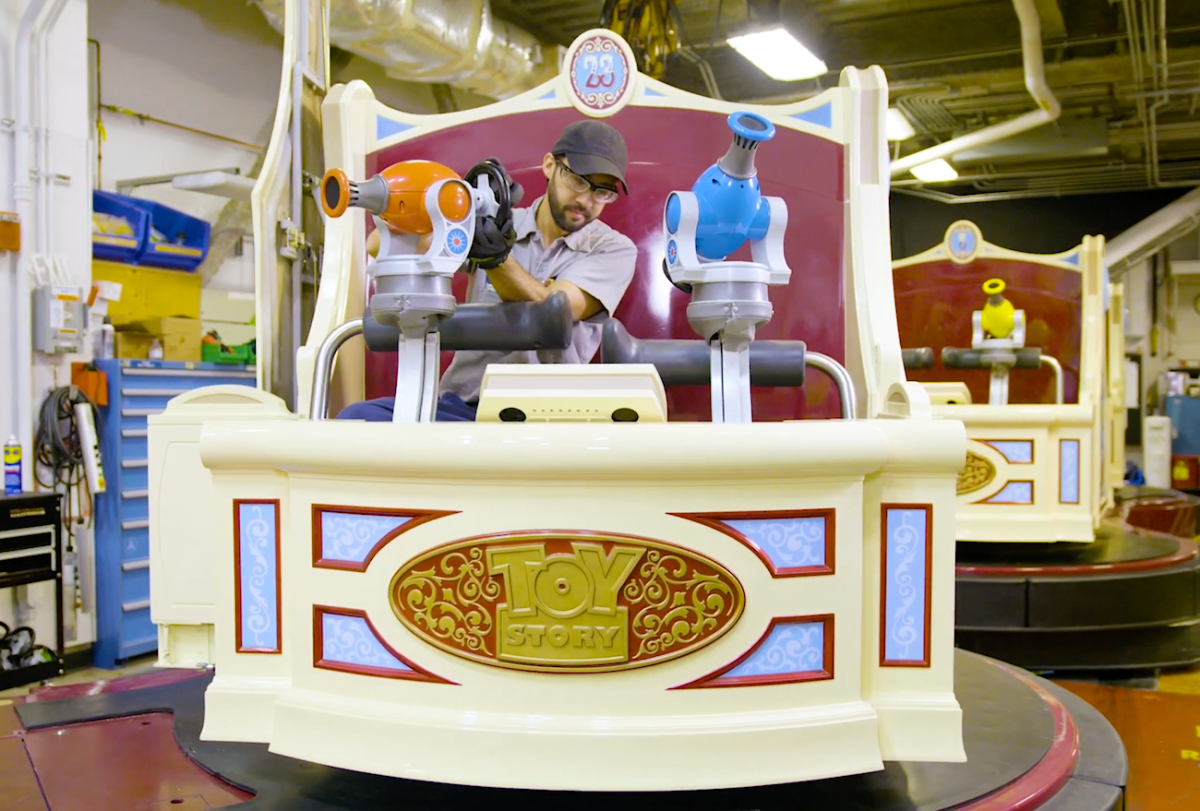
Disney knows that if a guest rides at least a certain number of rides during their theme park day, they are more likely to walk away satisfied with their visit. This number varies by theme park, but sets the expectation for ride refurbishments for maintenance teams and operations teams. In recent years, coming out of the reopening period, there seems to have been more downtime for rides than usual.
We’ve learned that Disney is actively working on the issue to reduce ride downtime and improve the guest experience. They are taking a deeper look into the ongoing maintenance procedures for their rides and attractions to increase the number of rides per day that guests can enjoy. Recently, we sat down with the head of attraction engineering to learn more. This follows similar news about a plan to make cast member changes. Mickey Visit brings you the latest Disney news and planning resources, including big announcements about additions at Disney World, positive park changes, new seating areas, and ride closures. See latest news here.
READ MORE – 20 Secret Disneyland Quiet Spots Many Regulars Don’t Even Know
Disney’s Efforts to Improve Guest Experience by Increasing Rides Per Day
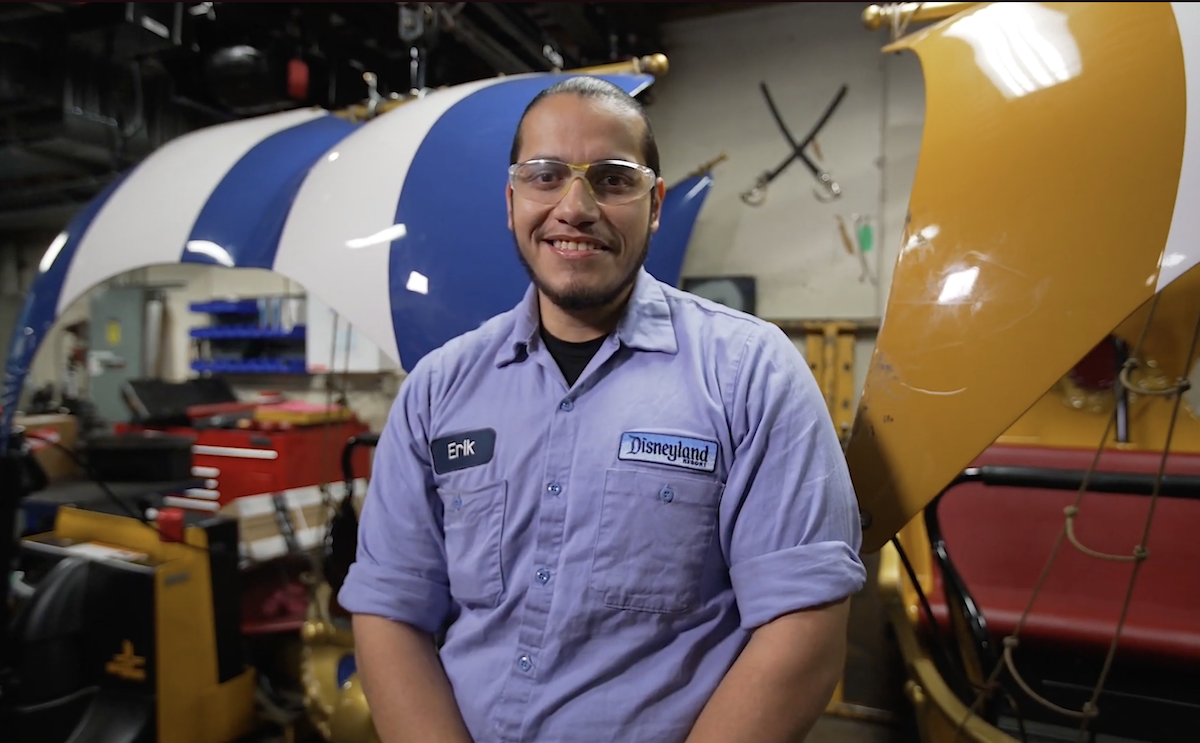
During a recent event, Disney reported that in fiscal year 2025, there was an increase in guests reporting that they were able to do everything that they wanted to in their day compared to the previous year. This led to overall higher guest satisfaction scores in the year.
Over the course of fiscal year 2025, Disneyland estimates that they were able to carry 1.5 million additional rides across the resort when compared to the previous year. This all comes from work on rides to prevent unplanned downtime and to strategically reduce closures where possible.
Disney Ride Closure ALERTS, Major Changes, Secrets Revealed
Get alerts on closures, park changes, exclusive discounts, and free printables. Trusted by 100,000+ Disney fans & planners.
Disneyland Resort President Thomas Mazloum and key members of his leadership team met with about a dozen members of the media to talk about plans to improve the guest experience. Mickey Visit was included in that group.
That focus on improving guest experience ranges from cast member changes to improvements to ride reliability. You can see our other coverage of the day including details on park hopping changes and park reservations, the choice to delay a permanent ride closure, changes considered for security at Disneyland, plans to attract more young families, and the inside story of the Disneyland monorail that was stuck.
Thomas Mazloum spoke with us about how he is analyzing every aspect of Disneyland to improve the guest experience. He spoke about an obsession with guest feedback, both positive and negative, and his aims to improve the Disneyland day. In that context he framed improvements to the cast member experience and work to improve ride reliability across the resort to drive better guest days.
While the specifics mentioned here are for Disneyland, they all apply to Walt Disney World as well where there are comparable teams working hard to analyze and improve the ride reliability. In the time since we attended this event, Thomas Mazloum has been promoted from Disneyland President to Chairman of Disney Experiences, the overall division that includes the Disney theme parks, cruises, and consumer products. Now, he is the leader that the President of Disneyland and Walt Disney World report to. We can expect to see Mazloum asking the same questions of the leaders at the Disney theme parks around the world in his new role.
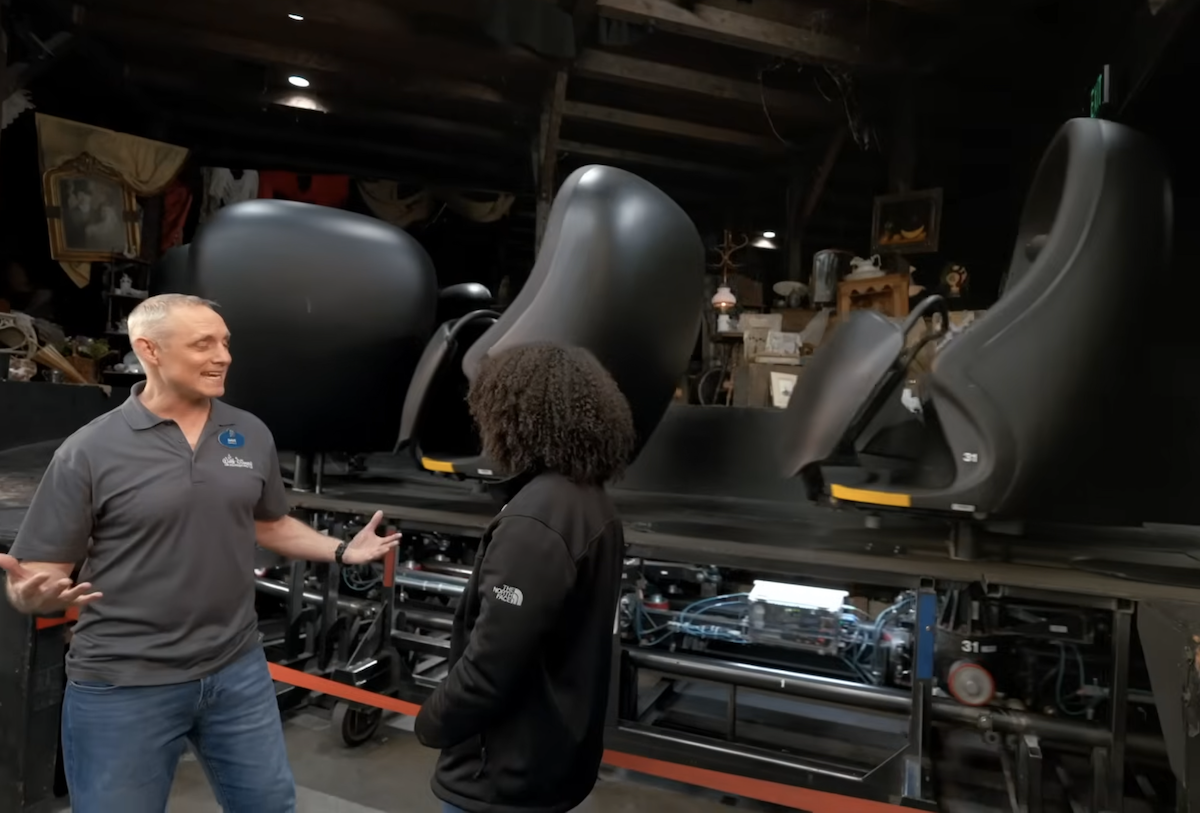
During the presentation at Disneyland we heard from Natalie Katzka, the Director of Attractions Engineering Services, the leader responsible for the teams who handle all of the overnight and refurbishment maintenance of the attractions across the Disneyland Resort. Her deep knowledge and grasp of the details was impressive and brought tons of insight in a short amount of time.
While we are not able to directly quote from the presentation, I am able to paraphrase the information for your context below.
Katzka said that the focus on improved maintenance directly ties into Mazloum’s ongoing priority to improve guest experience.
She shared an overview of the resort attractions before diving into the specifics of ride maintenance in greater detail. She reminded the group that the lineup of Disneyland Resort attractions includes a blend of old favorite rides and brand new cutting edge ones, like Rise of the Resistance. The slate of rides means that there is a wide range of skills required for the maintenance of these attractions.
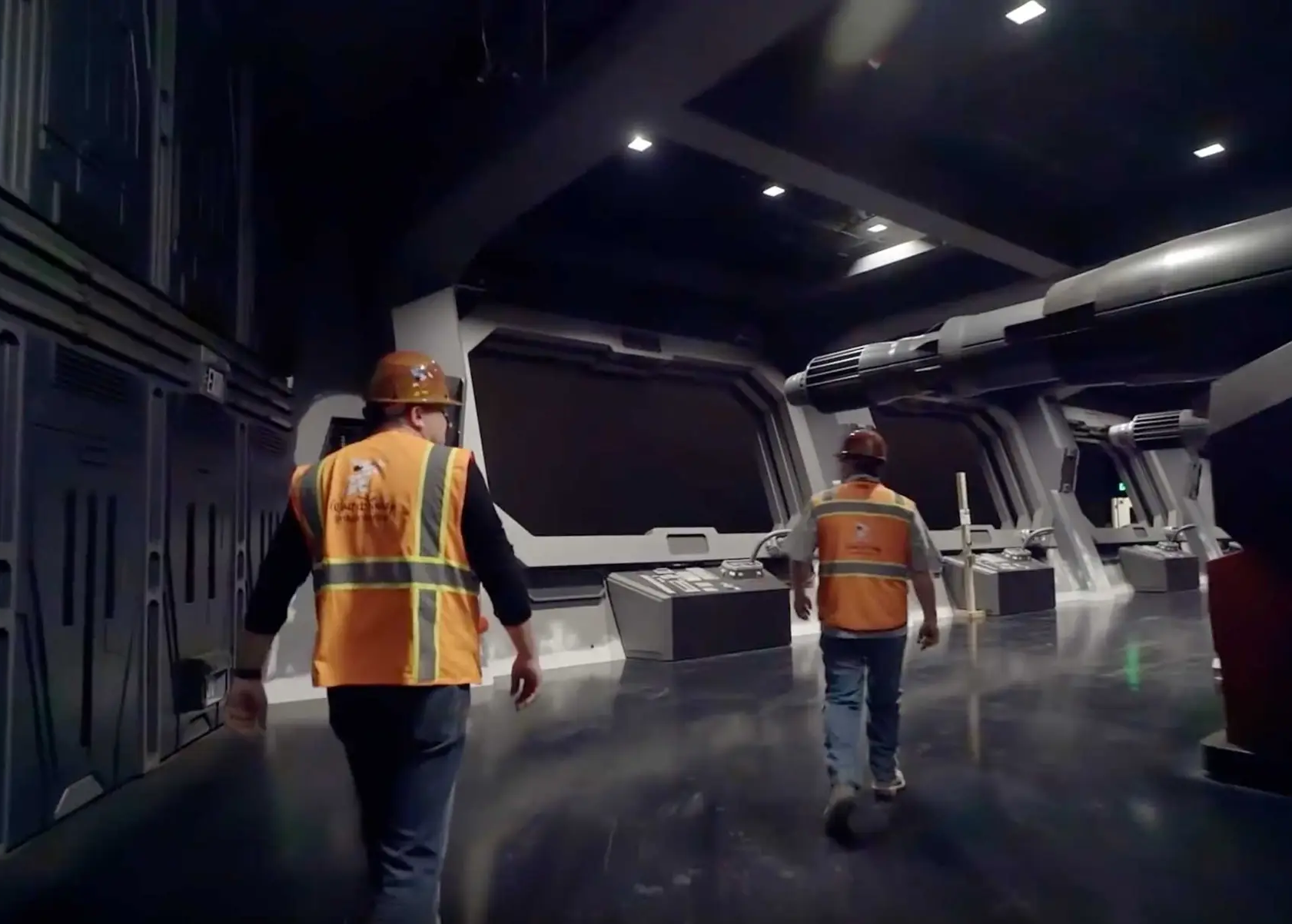
They took Thomas Mazloum behind the scenes at Rise of the Resistance during his first month at the resort to show him the five different ride systems that have to work together to deliver the ride experience. It is a big thing to maintain it all. Later in her presentation she mentioned specific recent improvements to Rise of the Resistance to keep that ride moving more smoothly that I have included in detail below.
Regardless of the age and complexity of an attraction, they are focused on making sure that it runs consistently and delivers the right guest experience.
She shared that there are three categories that ride maintenance falls into at the resort. These buckets make up all the scheduled and unscheduled closures.
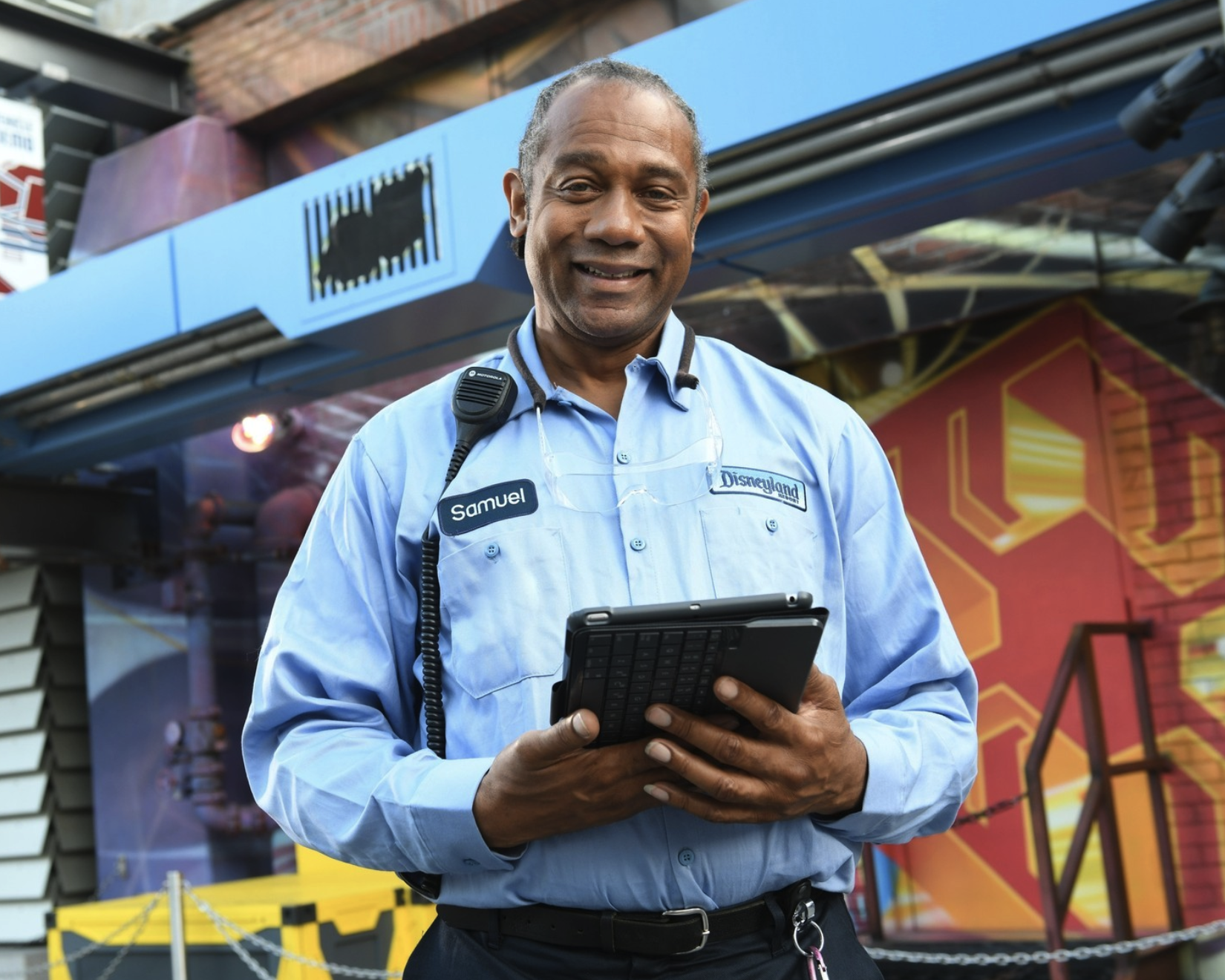
Overnight Closures
The overnight closures at Disneyland are focused on safety and regulatory maintenance checks. This is focused on making sure that the rides can operate safely throughout the following day. This is the work that happens when the parks are closed. This work is conducted by third shift cast members who work overnight.
Sometimes they are also able to fit in reliability maintenance to prevent the daytime downtime from occurring if they spot an issue.
She gave the example of the Matterhorn Bobsleds. She pointed to the spinning tires along the track that propel the roller coaster car forward. These are called pacers. If they see that a tire is spinning slower than it should or if there is wear and tear happening, they try to fit in maintenance overnight before it causes unexpected downtime during the day.
Response Maintenance
There are times throughout the day when a ride closes at Disneyland. This can be for a variety of reasons. There could have been an electrical failure, failed part, intermittent sensor, weather, or guest behavior that causes the issue.
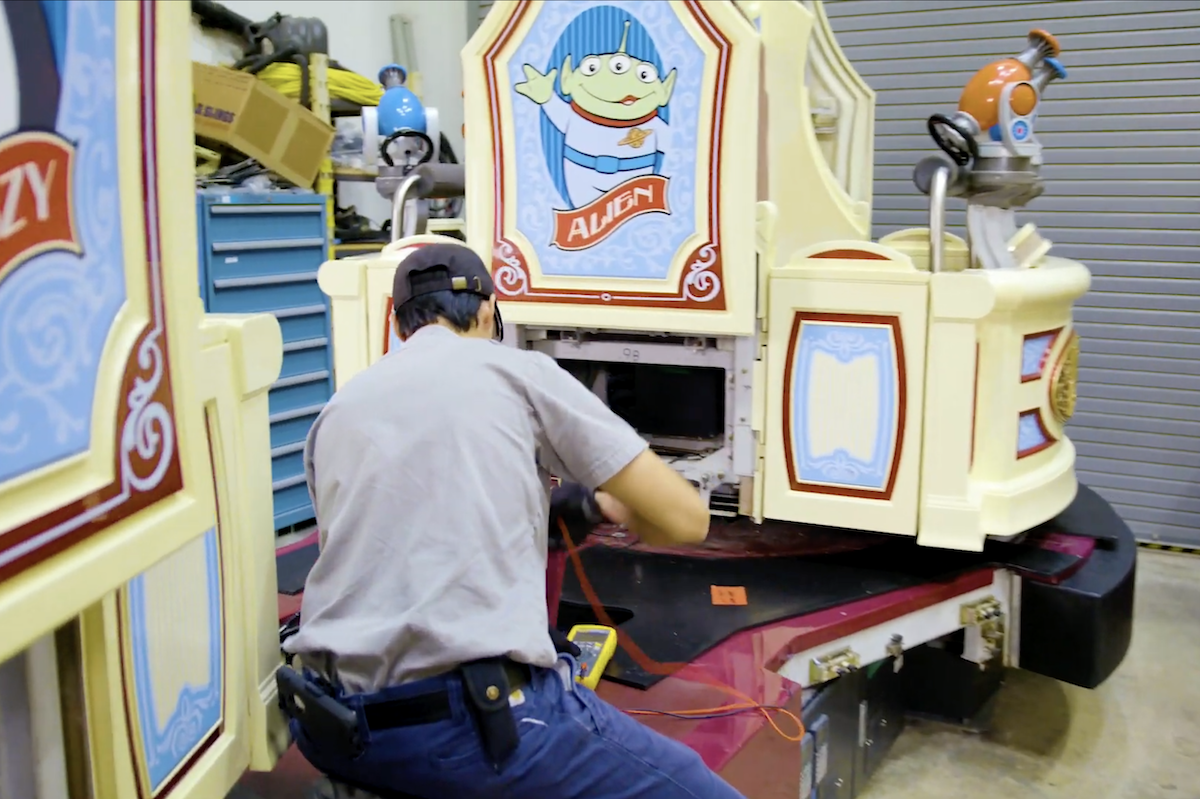
During this maintenance period, they are just focused on troubleshooting an issue and getting the ride back up as quickly as possible. These are the daytime maintenance cast members that you will see arrive at an attraction when it has gone down. They are widely trained to be able to get a ride back up and moving as quickly as possible while maintaining safety.
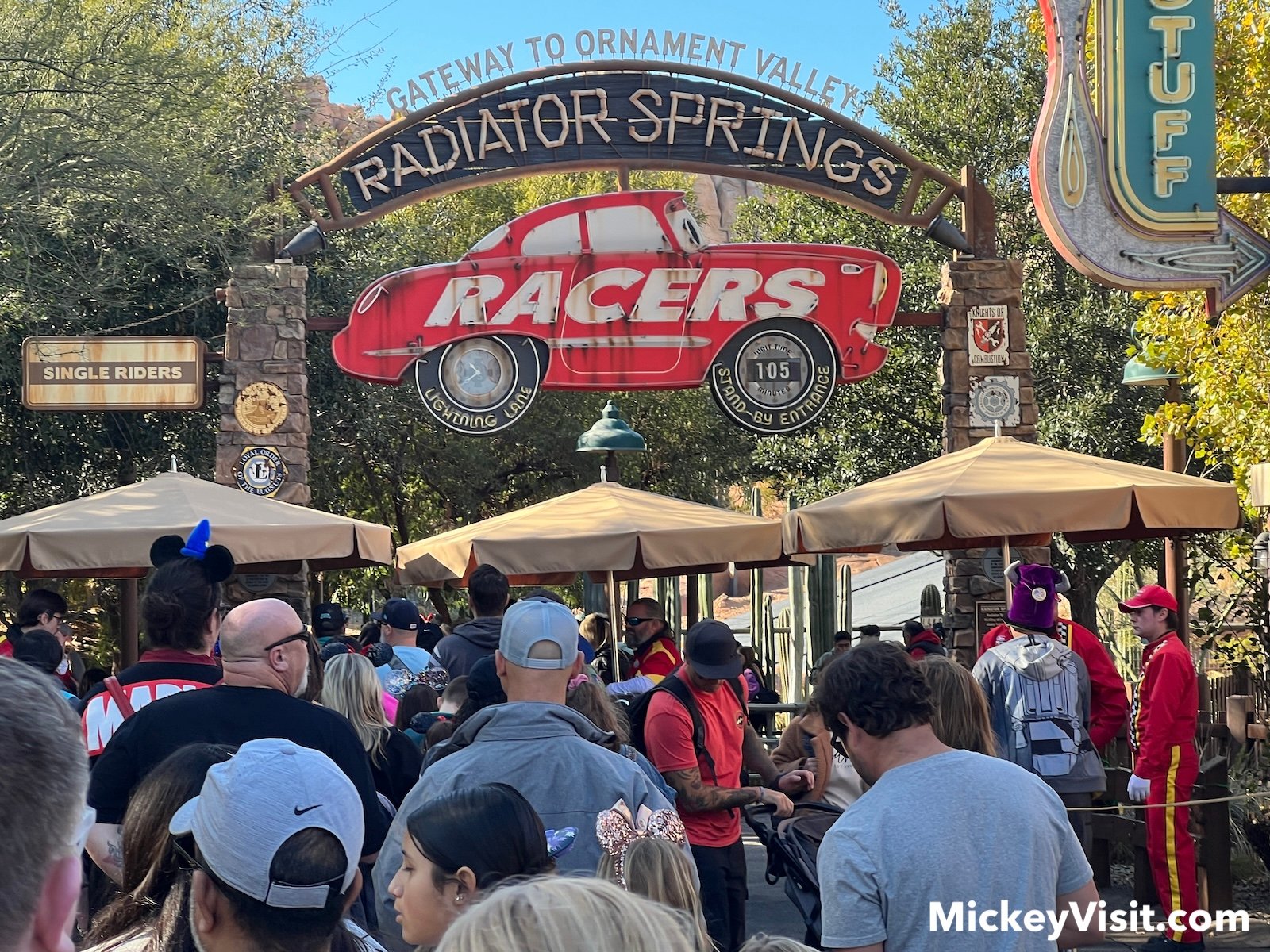
Some closures can also be related to weather and animals. She shared that for instance Mad Tea Party will not run in the rain and that Radiator Springs Racers can’t handle intense rain. She also mentioned animals including ducks, squirrels, bees, and raccoons that can cause downtime. She said that squirrels had been a particular problem on Big Thunder Mountain.
Scheduled Refurbishment
Disneyland also has scheduled ride closures and refurbishments. These are the ride closures that we report on constantly on Mickey Visit where rides are closed to complete some planned work. These closures can stretch from days to weeks depending on the task required.
Katzka said that in some cases these refurbishments are planned years in advance based on required checks and known work.
There are some rides that require regular maintenance and checks. She mentioned Guardians of the Galaxy: Mission – Breakout! which requires wire rope changes and frankly feels like there is constantly an elevator shaft closed for what I assume is this work. She also mentioned longer term closures for something like corrosion mitigation. She said that there isn’t much she can do when there is metal in water and that there will always be some corrosion to clear up.
She gave another example of a refurbishment to redesign or replace obsolete components that they can no longer purchase. She said they might also do an improvement job to modify ride control.
She said that they are constantly asking, how can we make changes during a planned refurbishment to reduce the unplanned closures and how can it make a ride run more efficiently.
Their hope is that even though guests will never see the specific changes made during these closure periods that they will benefit from improved ride uptime and experience.
Turning from the three different types of maintenance she spoke about specific changes Disneyland is making to achieve these goals. The changes all add up to the bigger goal of more rides for guests each day.
READ MORE – Ever Wonder Where Disney Cast Members Eat and What They Do on Their Breaks?
Increase maintenance work window
Disneyland’s ongoing ride maintenance is constrained by the hours that the theme park is closed and cleared of guest and operations cast members at attractions. While this time is typically focused on the safety and regulatory maintenance checks that are required nightly, the team also tries to complete other projects in this window when possible.
Going back to the Matterhorn pacer example, Katzka explained that the install of the replaced tire takes a minimum of two people 6-7 hours. They have to balance the priorities for those cast members’ time with the standard regulatory maintenance to complete that task.
They generally want to improve reliability for rides during this period. As park hours are increased, the maintenance window has gotten shorter and shorter. Think of a stretch of park days when Disneyland Park is open from 8 am to midnight. There is far less time for work on those days when compared to days when the park opens later and closes earlier.
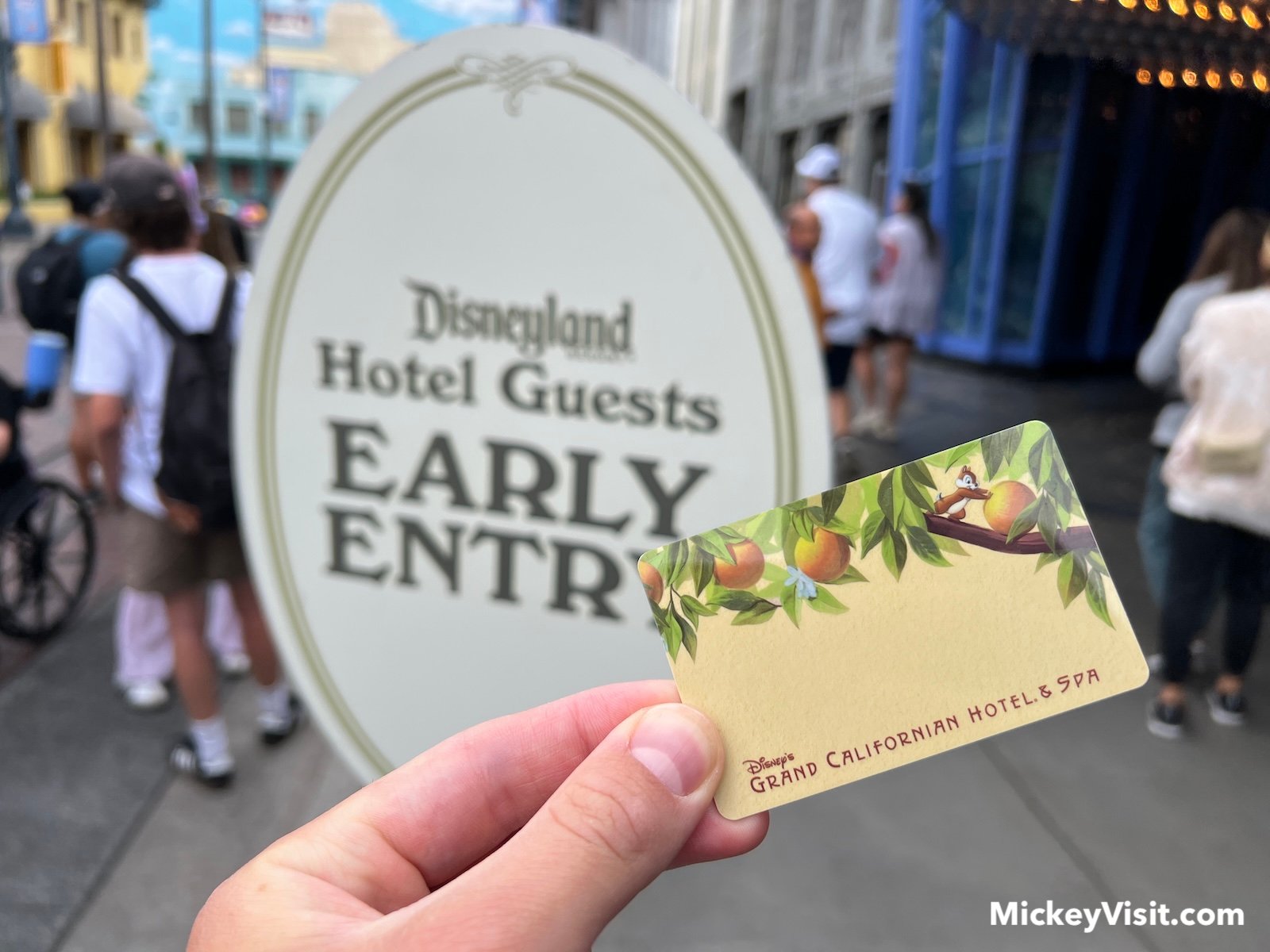
The maintenance team is now more actively working with the operations team to balance the time they need to maintain attractions with the time needed to deliver a full day experience for guests. She spoke about changes about five months ago to shorten park hours to increase this window. This was also one of the arguments for getting rid of the hotel guests Early Entry. Through those and other scheduling changes, they have been able to get back an hour or two of maintenance each night.
Previously, when thinking about cuts to park hours I would view them as a way that Disneyland was saving money by reducing the number of cast member working hours. This provides additional context that there is another motivation for the decisions.
She spoke about how that additional time gives them meaningful buffer to complete the proactive preventative maintenance, project work, and engineering testing. That time has already made an impact in the guest experience and is represented by the additional rides statistic.
Staggering Maintenance
One of my colleagues at the event asked if there was really an off season at Disneyland anymore.
Katzka talked about how ever since they have moved to variable Disneyland ticket pricing for the resort, the demand has been spread across all the days of the year. The traditional off season is no longer a thing at Disneyland. There are still busier times of the year, as we capture on our Mickey Visit Disneyland Crowd Calendar, but there are fewer extremely empty days because those are set at the lowest one day ticket price.
This change means that they have had to shift from using the off season approach for the scheduled refurbishments. Now, they try to approach things in a staggered approach so that there are not multiple major closures of top rides at the same time. Some rides, like Grizzly River Run, do still close on a seasonal basis.
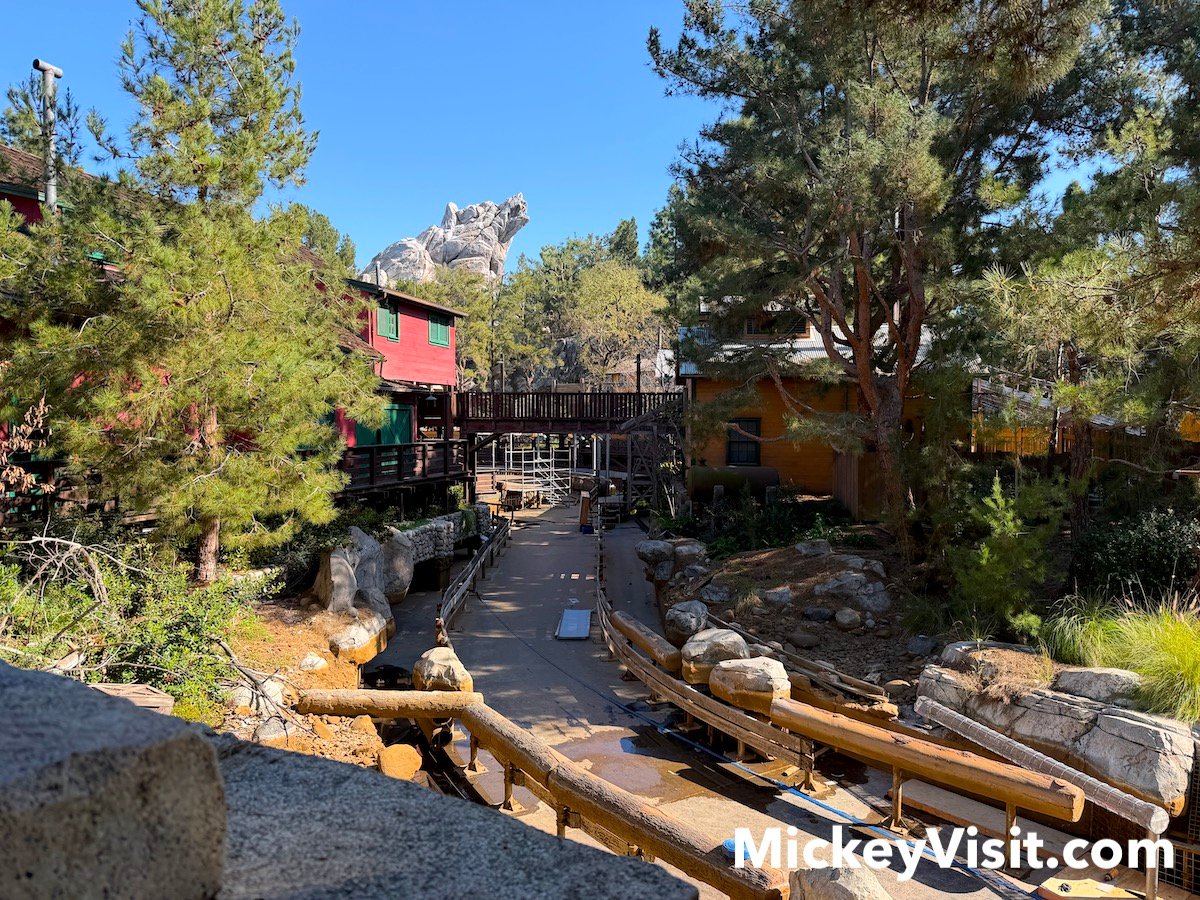
In the past year they have closed Rise of the Resistance and Radiator Springs Racers, the two most popular rides at the resort, but they made sure not to close them at the same time.
Katzka also shared that they are very aware of the draw of these attractions and aim to only have to close them every couple of years. With Rise of the Resistance, she explicitly said they know they don’t want to have to close it again for a couple of years. That was the first substantial refurbishment of the attraction since it opened.
Changes to maintenance processes to increase riders
Next, she spoke about how the outside world is impacting their processes and the changes they have made to react to those impacts.
There have been challenging impacts on the supply of parts needed for upkeep of attractions. She said that even now, things are shifting by the day. Their ability to get parts as they need them has gotten harder. They have now changed their parts management process to react to this.
She gave an example for Radiator Springs Racers. Previously, they had all their car parts in the same “bucket” for both response maintenance and long term maintenance.
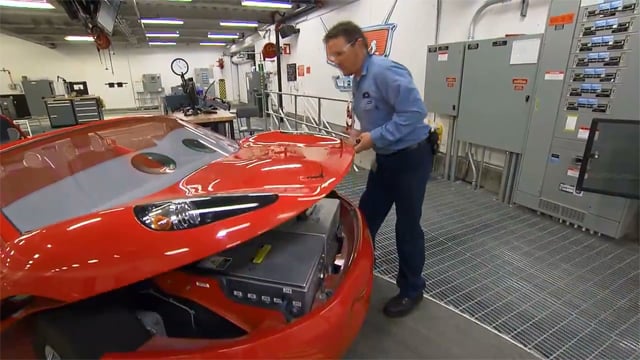
They have now separated the parts management into buckets for overhaul of cars and reliability. The ride vehicles on Radiator Springs Racers are rebuilt on a specified frequency. There are over 200 parts required to be replaced within that system. Since that is a known quantity and frequency, they have now implemented automatic ordering with staggered deliveries timed to their maintenance periods. The ordering takes into account the required lead time for specific parts and quantities.
They are then separately ordering specific other parts for the reliability maintenance that happens on a one off basis in response to a need. While some of these are the same parts, the automatic ordering is based on usage so that they are able to manage their inventory.
There has been a direct impact on the guest experience based on this work. In December 2025, they were able to run the attraction with the maximum amount of vehicles for the majority of operating hours.
These investments they are making are not just about keeping up the rides, but about carrying as many guests as possible.
There are also other impacts from this parts management practice. It has meant that they are more prepared when the attraction goes down to prevent extended downtime. This is the reliability parts bucket. Katzka also shared that the system has been a cast member satisfier that has raised team morale as it has made their lives easier.
She mentioned how they are constantly thinking about the cast member training and support. We covered Disneyland’s general increased focus on cast members here.
Strategic Change to Increase Attraction Capacity
During the holidays, the Disneyland Railroad steam trains are one of the favorite attractions. Guests love the ability to see the parks in the evenings.
They figured out how to carry an additional 29,000 guests on the steam trains during a 10 day period in December, one of the busiest stretches of time during the year.
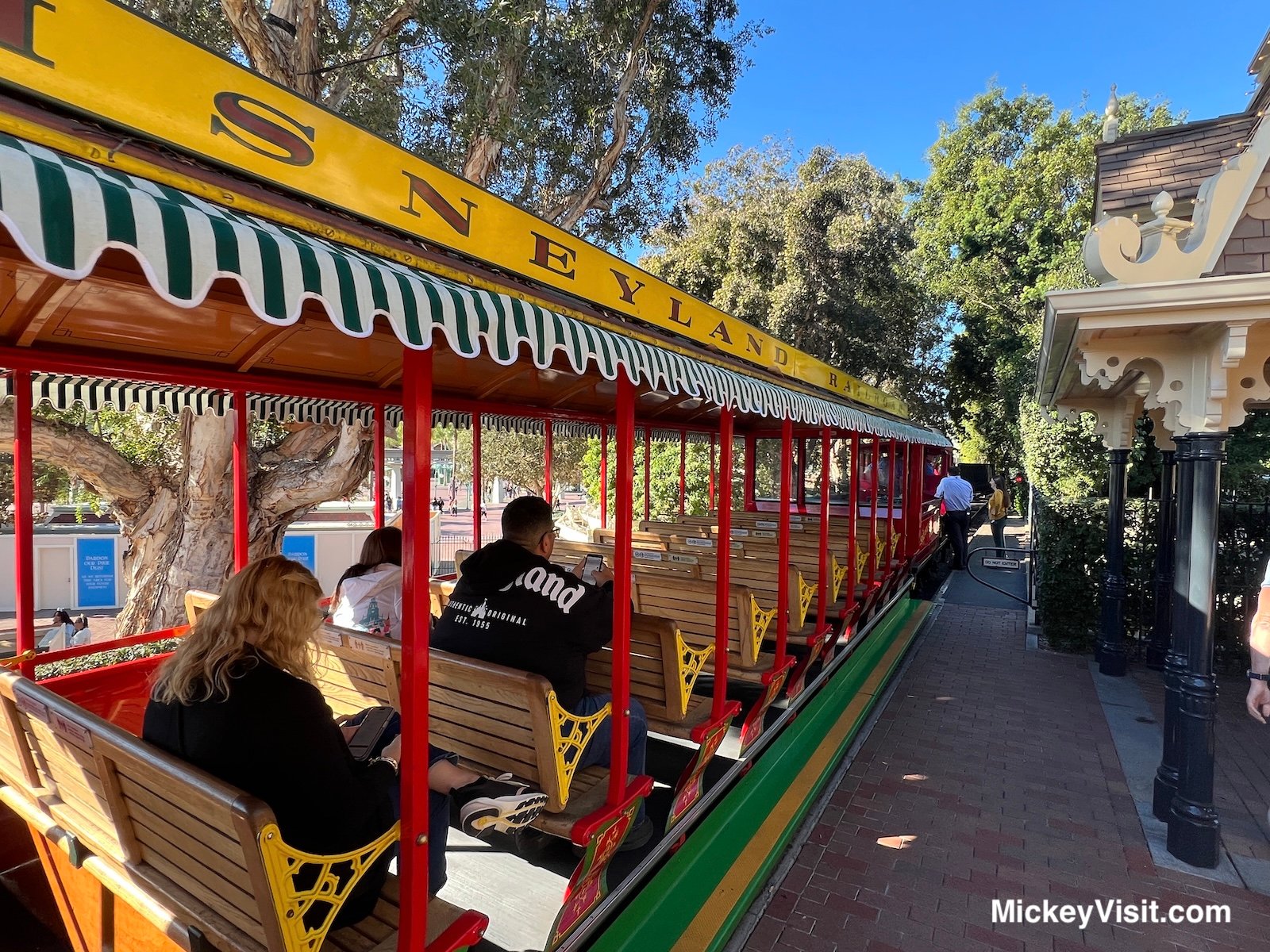
They did this by bringing back a water tower at the New Orleans Square Station. That reduced the amount of time it took to fill the locomotive so that they could then dispatch the train as soon as all the guests were loaded. This then meant that they could bring their fourth train back into operation and have all four trains running at the same time, something that wasn’t feasible without the improvement in New Orleans Square.
Changes to classic rides to increase dispatch speed
There are other smaller projects that are invisible to guests, but are already having impacts on the experience.
She shared that on Space Mountain they have made a change to the process of how vehicles are commanded through the boarding station. The change is going to allow them to move more rockets per hour through the attraction. There will be less waiting time to get the ride filled and dispatched.
That Space Mountain change is now live.
They are now working on a change that is similar, but even more complex, at Indiana Jones Adventure.
The existing operational patterns create backups at the boarding and dispatch stations. While this doesn’t cause downtime, it does reduce the amount of guests that they can load per hour. She shared that there are many engineers focused specifically on this Indiana Jones problem to improve the process and get more rides on the attraction.
Decrease required closures for holiday attractions
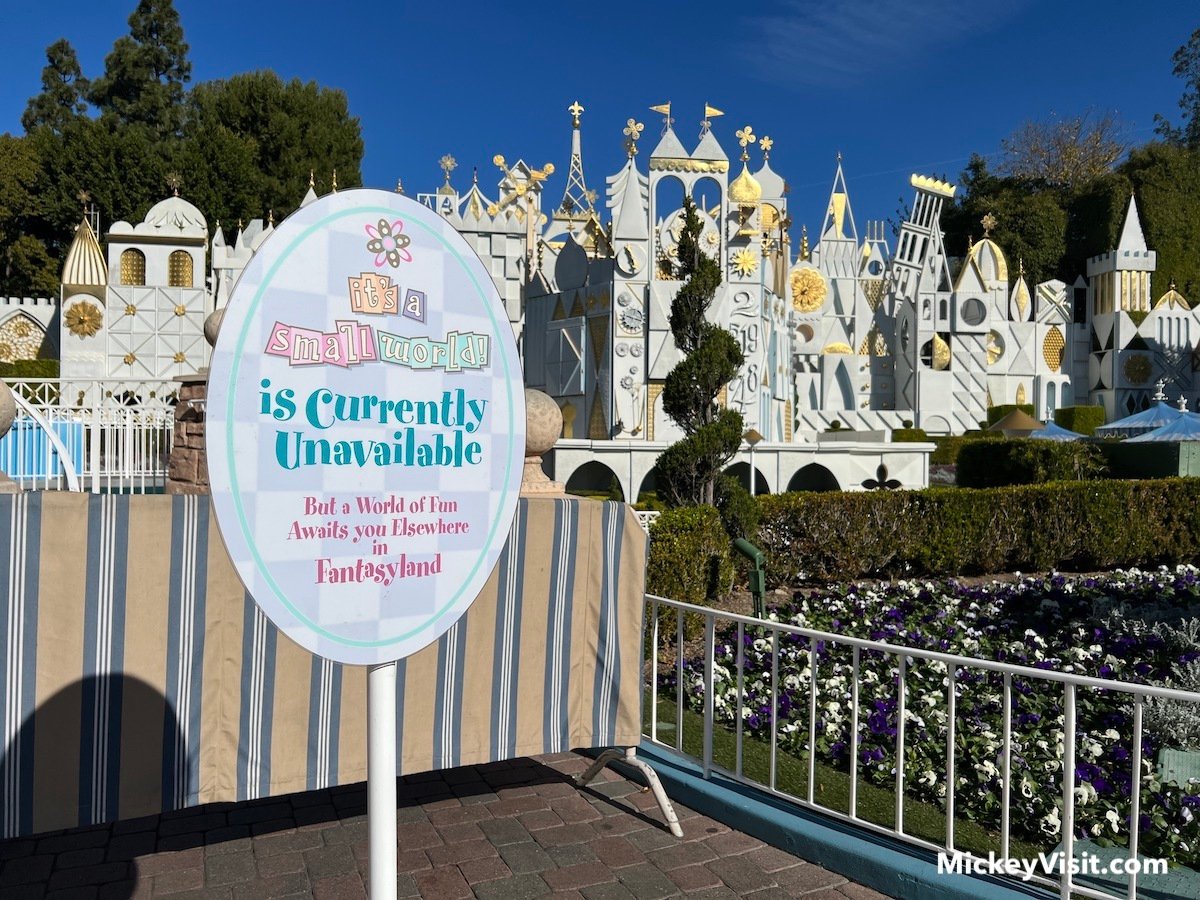
Each year, the Haunted Mansion and “it’s a small world” close to be transformed into holiday versions of the iconic attractions during Disneyland Christmas and Halloween. The transformation requires closures on either end to put up and take down the hundreds of elements that are installed on the two rides. The changes are meant to encourage repeat visitors to Disneyland every year.
This year, the team looked at the transition time for the two rides with an eye toward closing the rides for shorter periods.
They partnered with the technical services team to challenge themselves to deliver the same quality ride experiences in a shorter closure time. They looked at the ways they manage and schedule the install and the means and methods to complete the work.
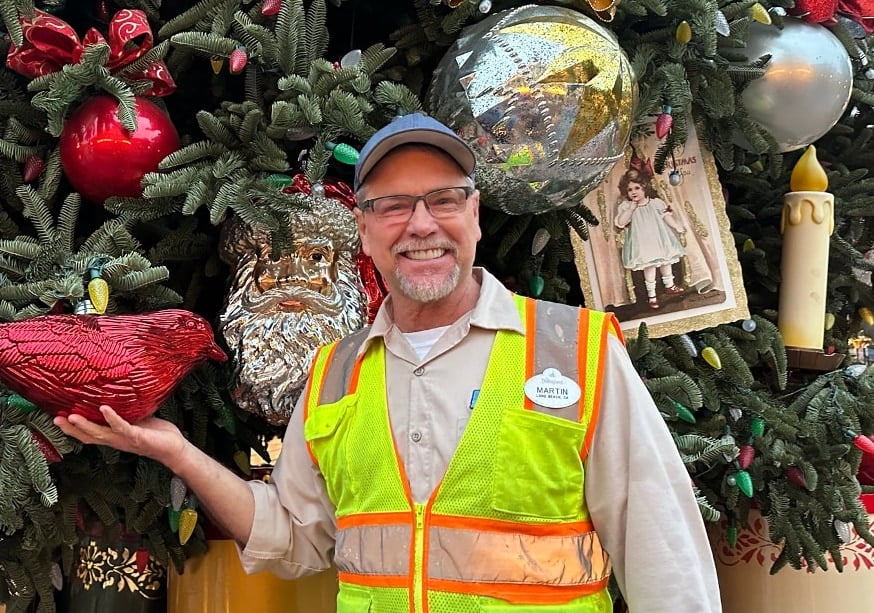
While she didn’t give specifics on the changes, we have heard that they scheduled more over time for the cast members handling the installs and were willing to pay for a more aggressive schedule to get the rides open sooner.
Between the two rides, they were able to get back an additional 9 days that the rides could be open with the changes compared to the previous year. Those days, which they were not otherwise planning on, led to an additional 135,000 additional guests riding Haunted Mansion and 74,000 on “it’s a small world”.
Katzka shared that this is a perfect example of how they want to be focused to make each day that a ride is closed for refurbishment count and to be clear eyed about the data around the closures.
Avoid Guest Behavior Related Closures
There is another bucket of closures that we haven’t mentioned yet. Katzka shared that about 13% of downtime in 2025 actually came from guest behavior. This is an increase from their typical 10%.
She mentioned a couple of specific scenarios that cause downtime and spoke about what they are doing to mitigate this. She said that guests dropping things or not following safety procedures leads to shut downs and evacuations. She name Minnie ears, phones, and back packs as common items causing problems.
They have actively implemented policies with operations to reduce this. There are new policies and signage for rides at Disneyland and Disney California Adventure to reduce this.
Maintain Institutional Knowledge
During the Q&A portion of the event, I asked about how they have recovered from the pandemic era. Separately, another Disneyland leader shared that 60% of Disneyland cast members have been hired on since the reopening in 2021. I wanted to know how this impacted the maintenance teams and the institutional knowledge held by cast members for the older attractions.
Katzka bluntly said that she doesn’t know if they have fully recovered from the loss of cast members even at this point. They lost a lot of talented cast members during that period and in the years since then. She shared that they are working on finding new ways to make sure they are documenting information.
They talk a lot about tribal knowledge in their organization. People on her team spend their entire careers with Disney. She has people who have spent 15, 20, or even 50 years on the specific attraction maintenance team.
There are new systems in place meant to manage and document some of the technical knowledge that would have previously been passed among team members. There is now a lot of development around how to troubleshoot and collect documents to be more effective at mitigating downtime issues. They are actively looking at ways to maintain information and make it easy to find.
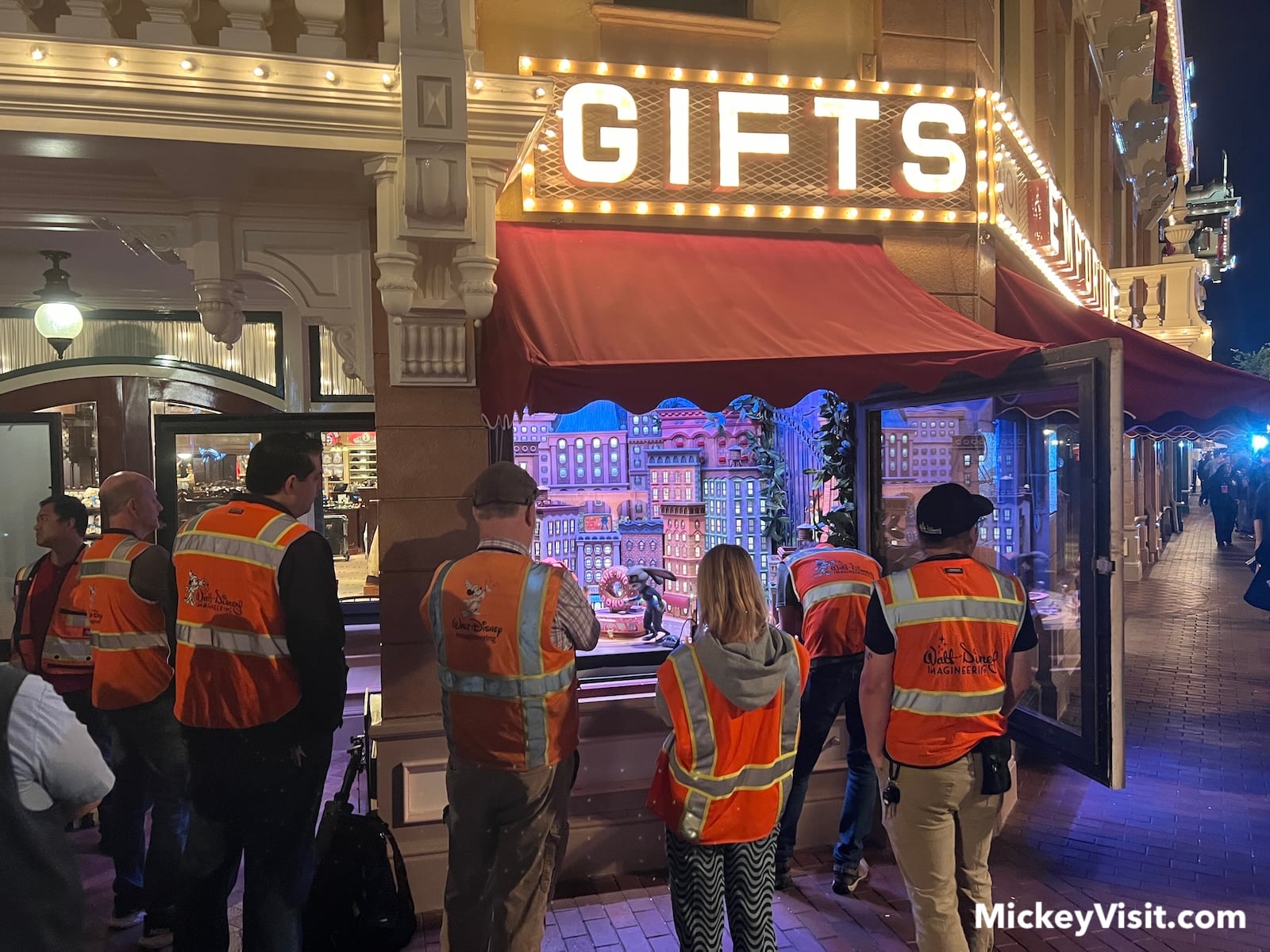
As they bring on more technically challenging projects, like many of the new rides coming to Disneyland, they are building specialized teams. They are developing more advanced training focused on the new Audio-Animatronics and rides coming.
This is a good time to mention that as they are working to improve uptime, they are not making sacrifices to the show standards for how the rides are operated. They still want to have the Audio-Animatronics working and delivering a high quality ride experience. Part of this training for cast members supporting the attractions supports this area as well. They aren’t just concerned about the amount of vehicles they get through each hour.
Making Rise of the Resistance More Reliable
Comparing 2024 to 2025, they have had a multi-percentage point increase in ride reliability for Star Wars: Rise of the Resistance. There was an additional round of improvements made during the latest refurbishment at the beginning of 2026 that should be driving an even greater improvement.
One of the key improvements during the recent closure was focused work on specific places on the floor that would cause an error for the trackless vehicle technology. These specific spots that would cause the vehicles to fault have now been replaced. They also have done lots of animation work to prevent downtime drivers.
Alternate Loading For Guests With Disabilities
Disney previously made changes to Disneyland’s Haunted Mansion attraction that improved the disability loading and unloading experience. Some other rides even have dedicated loading areas for disabled guests. Radiator Springs Racers and Toy Story Midway Mania are good examples where cars pull off to the side to a dedicated loading space.
One of my colleagues asked about if they are considering any other alternate loading for disabled guests. Katzka said that they are constantly trying to improve the guest experience. She wasn’t ready to release specific details on a project she thought of when the question was asked. It was clear that there was another improvement that they are actively working on the way that she paused.
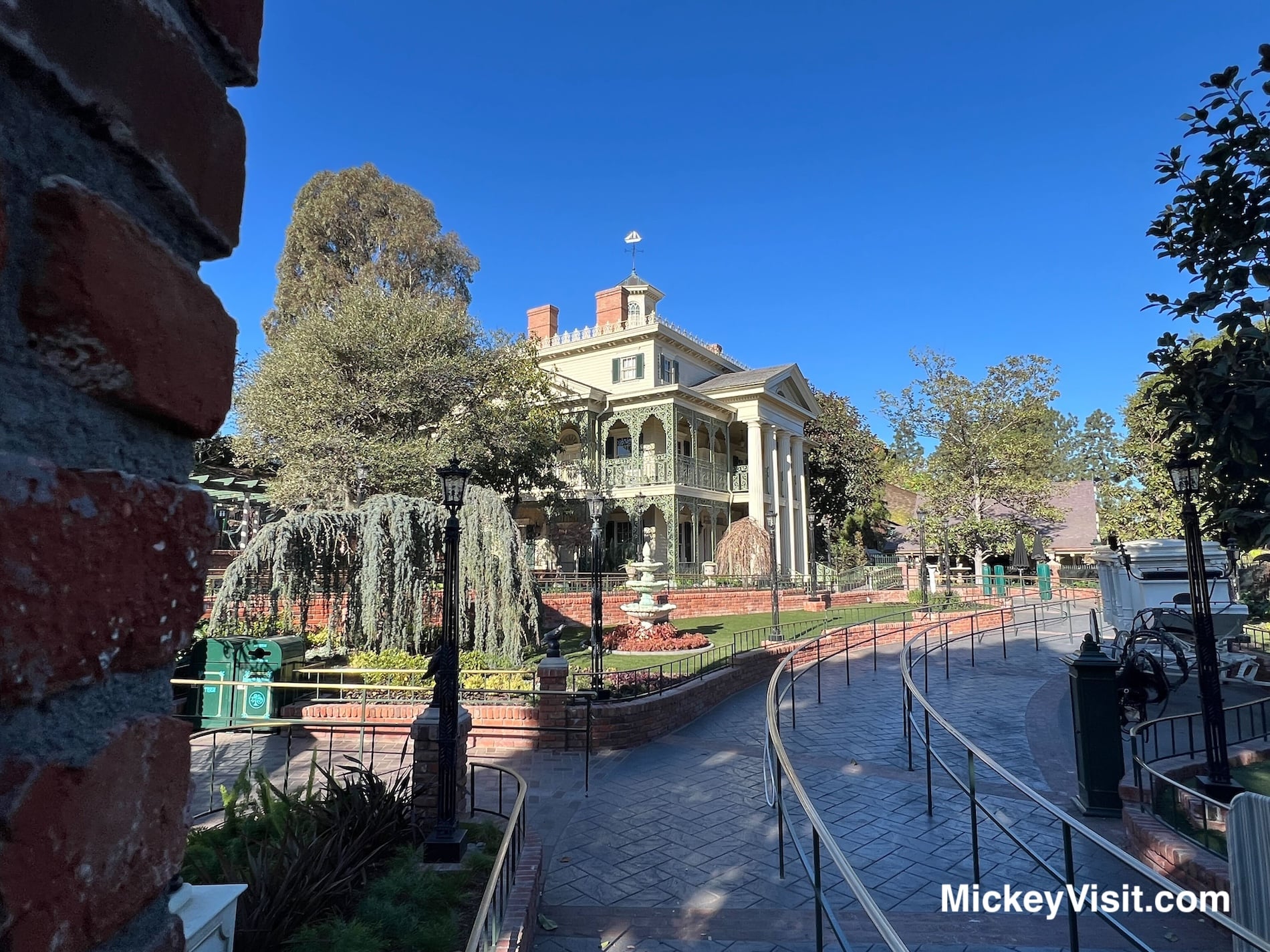
She emphasized that they always want guests with disabilities to have the same experience as other guests.
Overall, I found the presentation to be insightful around what Disney is doing to improve their ride experience. While many of us are focused on the new rides coming to Disneyland, it is insightful to see the ongoing work to improve the existing lineup of attractions at Disneyland to deliver a better guest experience.
Disney has so many competent leaders throughout their organization who we don’t always get to hear from. Natalie Katzka stood out as a clear thinker who could approach the ride refurbishments situation in a no-nonsense way. I appreciated the data that she brought to the conversation and openness to share. Disneyland should continue to share data and information like this as they work on specific guest experience improvements.
From a guest experience return to “normal” standpoint, I would also be curious to see how the current park operations stack up against 2019 operations. Are we back to that level or is that still the high water mark in terms of operations? That seems like it should be the comparison point. Year over year improvement is important and a fair metric for current leaders to be judged against, but as a business I would like to know if these are best ever operations.
Hearing their emphasis in all the presentations about focus on improving the guest experience and improving their hospitality ratings has me excited for the future. That excitement now also translates to Walt Disney World, since Thomas Mazloum has now been promoted to Parks Chairman. We hope that the incoming Disneyland Resort President maintains this same focus and push to improve key areas at Disneyland. Is there anything that you think they should be focusing on? What do you think of these improvement areas? Please comment below.
Don’t Miss the Latest Disney News
Don’t miss the latest Disneyland and Disney World news from Mickey Visit. Join the FREE Mickey Visit newsletter that over 100k readers receive every single week. Mickey Visit is here to help you save money and experience more during your Disney and Universal vacation. See the Mickey Visit guide to Disneyland and the Mickey Visit guide to Disney World for tips.