

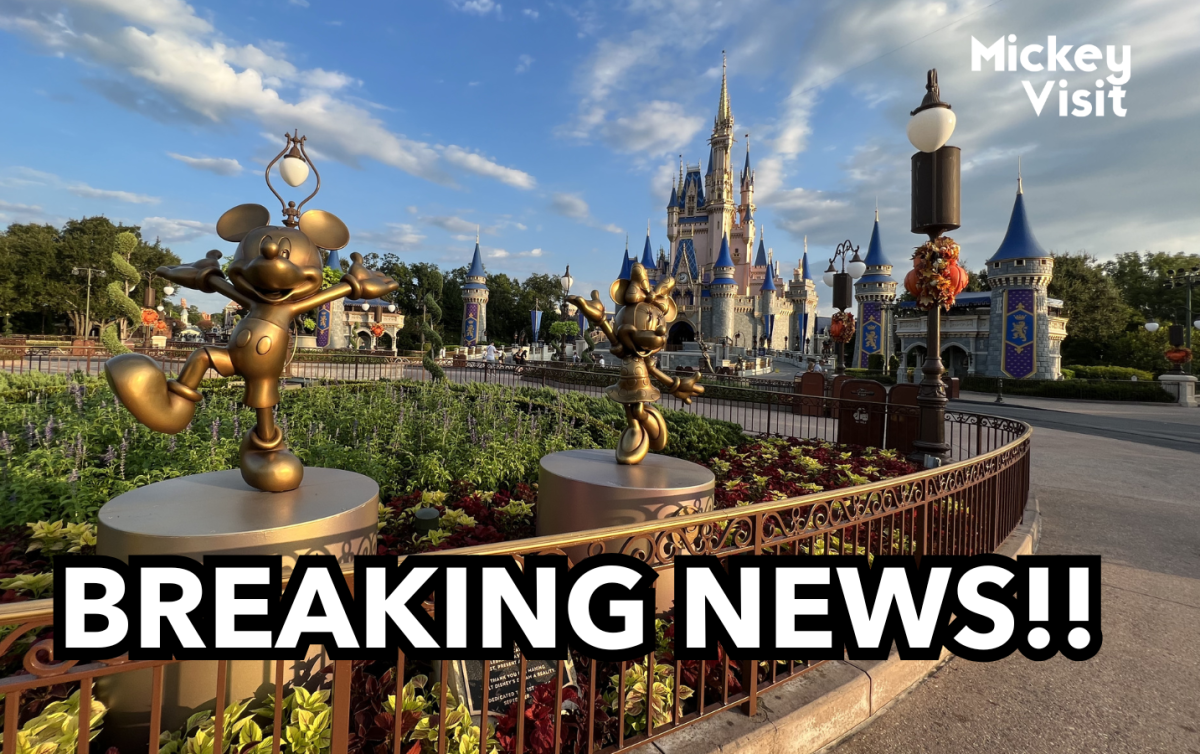
Disney theme parks continue to be critical to the overall success of the entire Disney Company. Recently, Disney appointed the head of the theme parks to be the new CEO. Today we heard from him for the first time in his new position as he shared an update on The Walt Disney Company as a whole and his view of where they are going from here. The company is in the middle of a massive theme park expansion and growth of their streaming entertainment business.
Key figures of Disney’s leadership mapped out how theme parks fit with the company’s big-picture vision for the next generation of Disney fans. These remarks were shared during a quarterly earnings call for the company’s financial results. Mickey Visit brings you the latest Disney news and planning resources, including Disneyland license plates coming to California and Disney’s plans to reduce guests’ phone use in theme parks. See new details on upcoming Disney World restaurants.
READ MORE – How to Get the Disneyland Lightning Lane Time You Want Almost Every Time
New CEO Defines 3 Priorities for Disney
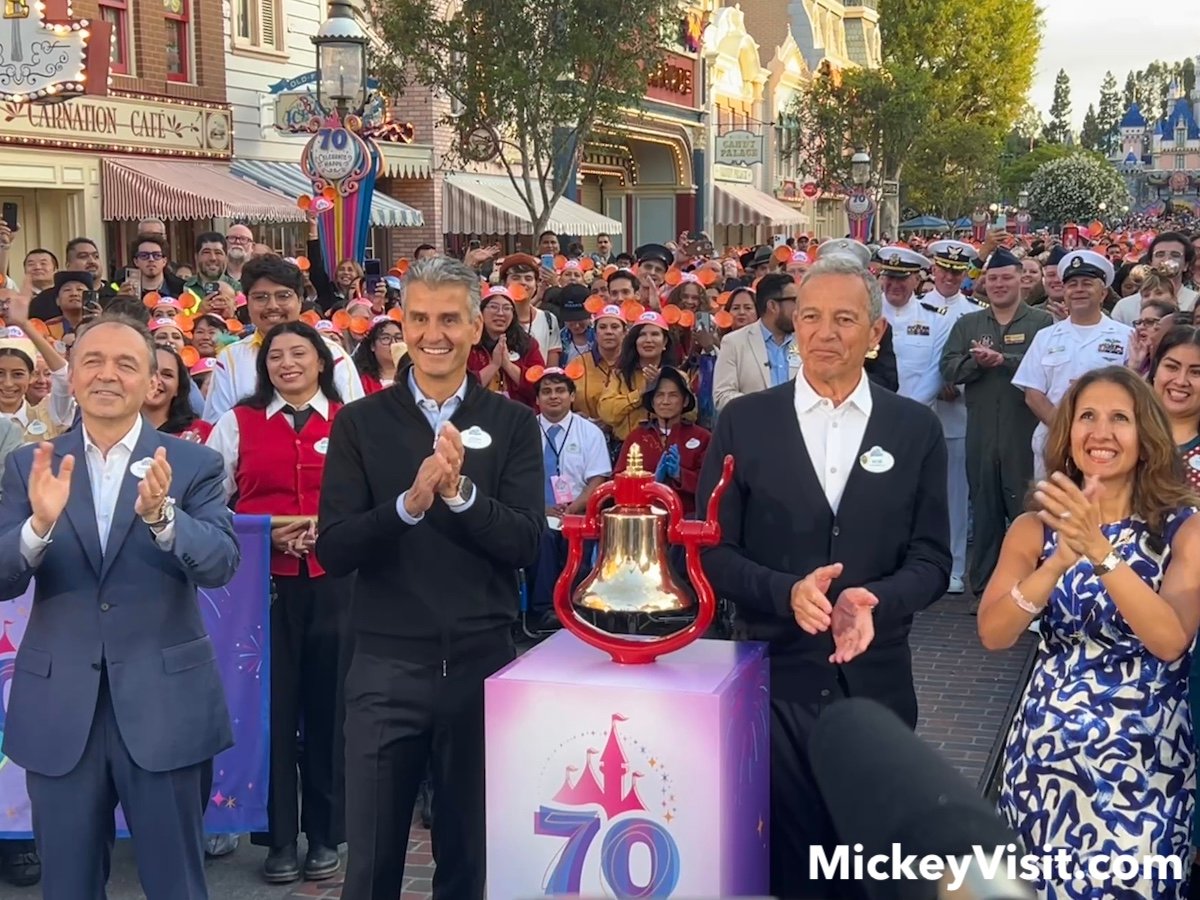
Josh D’Amaro became CEO of The Walt Disney Company earlier this year, a promotion from his former role as Chairman of Disney Experiences, the division of Disney responsible for theme parks and consumer products.
D’Amaro defined his three priorities for his Disney tenure with clear language:
- Investing in IP [intellectual property] and creativity that breaks through, builds connections, and endures.
- Reaching more consumers in more seamless, engaging ways around the world.
- Using advanced technologies to power our storytelling and increase monetization and returns.
Disney World Ride Closure ALERTS, Major Park Changes, Secrets Revealed
Get alerts on closures, park changes, exclusive discounts, and free printables. Trusted by 100,000+ Disney fans & planners.
These are essentially continuations of the priorities of Disney’s previous CEO, Bob Iger, who frequently vocalized his goals toward content, international growth, and tech.
Where D’Amaro’s phrasing differs from Iger’s is the mention of both sides of the Disney equation: the emotional resonance the company’s work often inspires in its audience and its bottom line as a business whose goal is to make money. This balances the goals of delivering and growing the business for the audience while also stating to Wall Street how they are going to make money while doing it. He also brought in another key goal of creating “One Disney” which we discuss more below.
As we will see throughout the rest of this article, all three initiatives, and both emotion- and business-driven mindsets, will affect how guests visit Disney theme parks.
Shifts in Theme Park Attendance
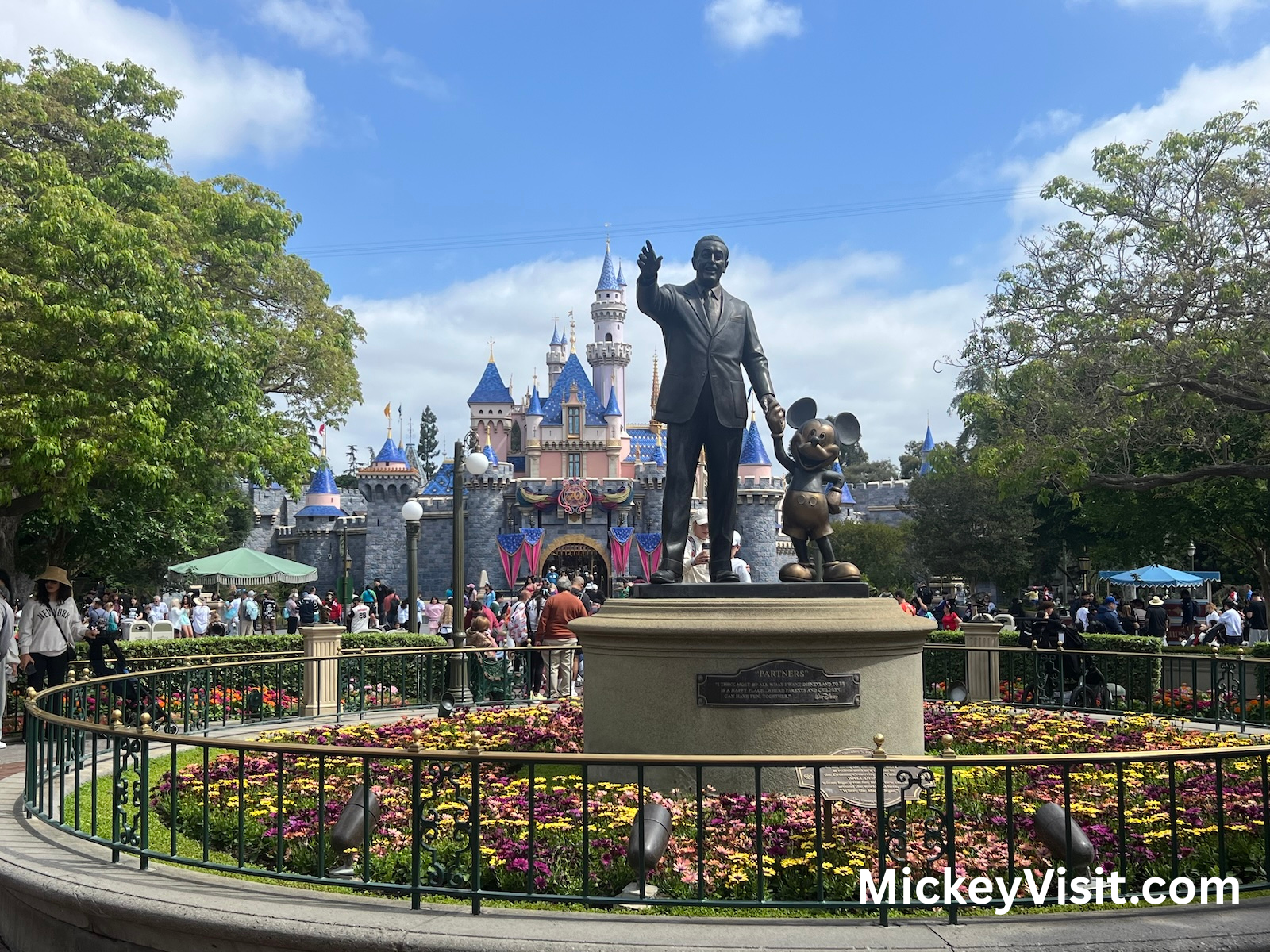
Global attendance across Disney theme parks and cruise ships grew 2% in the second quarter of 2026 compared to the same period in 2025. This is partly thanks to the November 2025 launch of the new Disney Destiny cruise ship and the March 2026 debut of the Disney Adventure, the largest ship in Disney Cruise Line’s fleet.
Domestic attendance collectively at Disneyland Resort and Walt Disney World declined by 1%. Disney attributed this decrease to fewer international travelers visiting the United States theme parks.
Occupancy in Disneyland and Disney World hotels likewise declined. Hotel occupancy was 89% in the second quarter of fiscal year 2026. This compares to 92% in the same period in 2025.
See our separate coverage for a deep dive into this news on Disney theme park attendance and what it means for Disney’s bigger picture.
Impact of Epic Universe
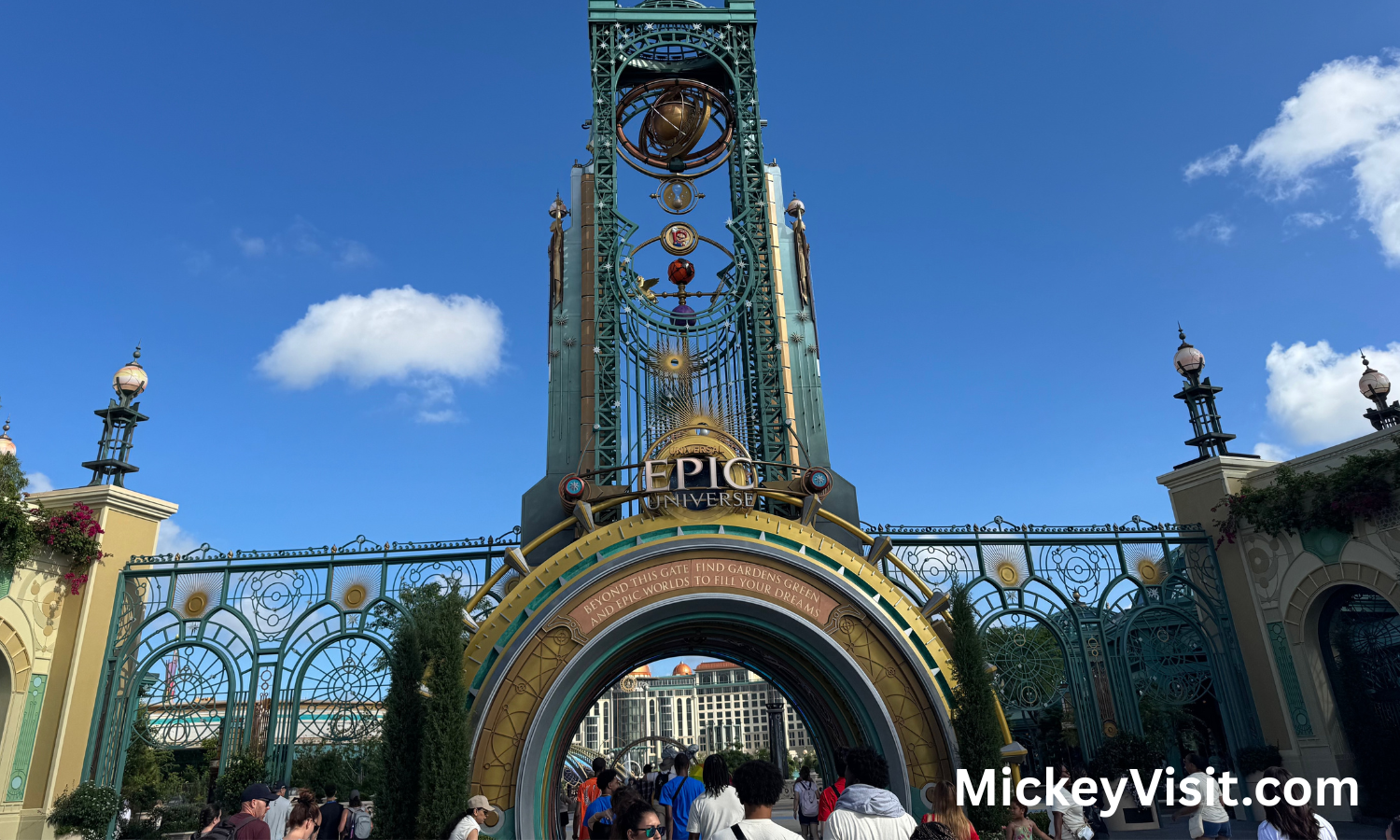
Universal Epic Universe opened at Universal Orlando Resort in May 2025 as the first new theme park in the Orlando area in over 25 years. The park features lands themed to Nintendo, Universal Classic Monsters, Harry Potter, and How to Train Your Dragon.
Relations between Disney and Universal are outwardly friendly, with Walt Disney World President Jeff Vahle even publicly congratulating the Universal team when Epic Universe opened. Nonetheless, many wondered how a new park from a competitor would impact attendance at Disney’s parks down the road.
D’Amaro, along with Disney CFO Hugh Johnston, both mentioned Epic Universe as a possible contributor to the decrease in Disney’s domestic attendance in the second quarter of fiscal year 2026, albeit less directly than the other main reason, fewer international guests.
Since Disney doesn’t share attendance numbers, only percentages of attendance changes for all domestic parks, we can’t see how granularly Epic Universe affected Walt Disney World attendance specifically.
Disney expects “Epic-related headwinds,” as Johnston phrased it, to be less of a factor going forward as the calendar begins to “lap the opening of Epic Universe,” in D’Amaro’s words.
All the same, when factoring out the impact of fewer international visitors, Johnston said Disney’s domestic attendance would have increased.
READ MORE – Disney World Dates to Avoid If You Hate Crowds! – 2026 WORST Times to Visit
Guests Spending in Theme Parks
Despite a decrease in domestic attendance, Disney Experiences global revenue increased by 7% in Q2 2026 compared to Q2 2025, totaling $9.49 billion. The division’s operating income grew 5%, totaling $2.62 billion.
Per-capita domestic spending, or the amount of money each guest spends during a visit to Disneyland or Disney World, grew 5% this quarter compared to the same period last year.
Dining, merchandise, and ticket admissions were all drivers in this increase. Disney’s theme park ticket prices are higher than ever, so an increase in revenue despite lower attendance makes sense.
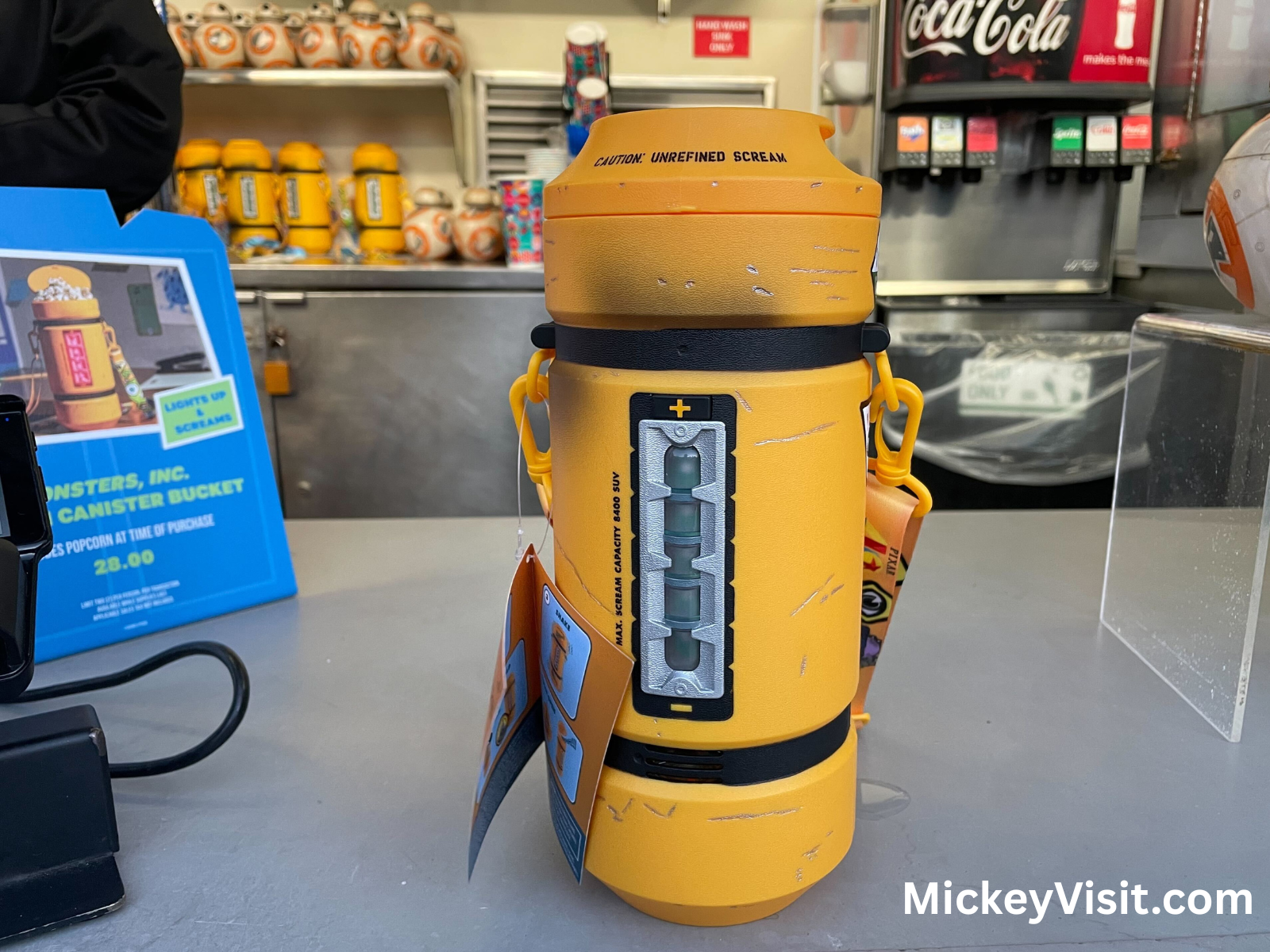
As for dining and merchandise, Disney has shown a growing interest in recent years in truly capitalizing upon its food and souvenir opportunities. As just one example, take the explosive popularity of novelty popcorn buckets, like the one shaped like a scream canister from Monsters, Inc., pictured above.
The Evolution of Disney+

Disney+ launched in 2019 as the premier streaming service for The Walt Disney Company. Over time, the platform has grown with a library of original programming and selections from studios other than Disney, thanks to an integration of Hulu into Disney+ for subscribers of both streamers.
To that end, Shrek was recently the #1 movie in the Disney+ top 10 on its home screen. The hit from rival studio DreamWorks and rival distributor Universal being on a Disney platform would have seemed counterintuitive not long ago. Now, though, Disney is displaying its willingness to host a broader array of content on Disney+, even if it wasn’t produced in-house.
The streaming service also recently debuted Verts, short for vertical videos, the type of short-form content one would usually see on social media platforms. D’Amaro cited Verts as a successful venture so far.
D’Amaro sees Disney+ as much more than a streaming platform, and as an opportunity to drive theme park vacations. See Disney’s comments about plans around AI.
“There are millions of Disney+ subscribers who aren’t regular park visitors,” D’Amaro said. “This is where we’re focused. Our parks are essentially the physical centerpiece of the company. Similarly, we’re building Disney+ to serve as the immersive, interactive, digital centerpiece of the company. In the long term, what you’ll see is those pieces of the company become increasingly connected.”
D’Amaro stopped short of mentioning specific ideas, so for now we can only imagine what this may look like. There are bits and pieces of this mindset already sprinkled throughout Disney+, such as pages in the streaming interface devoted to “Perks,” or Disney-speak for merchandise opportunities, as well as original Disney+ programming focused on the parks, such as the Disneyland Handcrafted documentary. Disney also occasionally offers vacation discounts exclusively to Disney+ subscribers.
People “In a Relationship” With Disney
A recurring theme among D’Amaro’s remarks was a duality between two sides of the same coin: emotion and business, both reliant on long-term buy-in.
“A fan who watches a Disney film, for example, or visits a park or plays a game and buys our merchandise, it’s not just a subscriber,” D’Amaro said. “They’re in a relationship with the company, one that spans years and can generate value across every part of our business.”

Whether that person identifies as a “Disney fan” is irrelevant. To D’Amaro, it seems anyone who is engaged with the company’s products and experiences in a symbiotic way is a “fan.” Furthermore, that engagement spans far broader than entities explicitly categorized as the traditional Disney brand. D’Amaro cited examples such as watching live sports via the ESPN app or playing Fortnite with the video game’s Simpsons integrations. These don’t necessarily scream “Disney,” but are Disney-owned products and services nonetheless.
To the emotionally driven individual, this person is a fan. To the more business-minded individual, this person is a consumer. Either way, they contribute to D’Amaro’s vision for Disney’s future.
Disney and AI in the Parks
Disney previously announced a huge investment in OpenAI’s Sora generative AI platform, only for OpenAI to shut down Sora several months later, nullifying the Disney deal.
“We continue to explore potential commercial opportunities with OpenAI and others,” D’Amaro said.
Speaking more broadly to the integration of AI into Disney’s processes, the CEO said, “We look at technology, including AI, as a meaningful, long-term opportunity for us at Disney. At the same time, we’re committed to implementing AI in a way that keeps human creativity at the center of everything that we do, and, of course, respects creators and the tremendous value of our own intellectual property.”
Beyond generative AI imagery, D’Amaro said Disney plans to utilize AI “to make it easier for families to plan their trip” to the company’s theme parks.
D’Amaro likened Disney’s integration of modern technology, including AI, to Walt Disney creating Steamboat Willie in 1928. There’s a lot to unpack with this comment, and we’ll do so in a separate article later. Subscribe to our free newsletter to not miss any Mickey visit stories.
Original Stories vs. Franchises
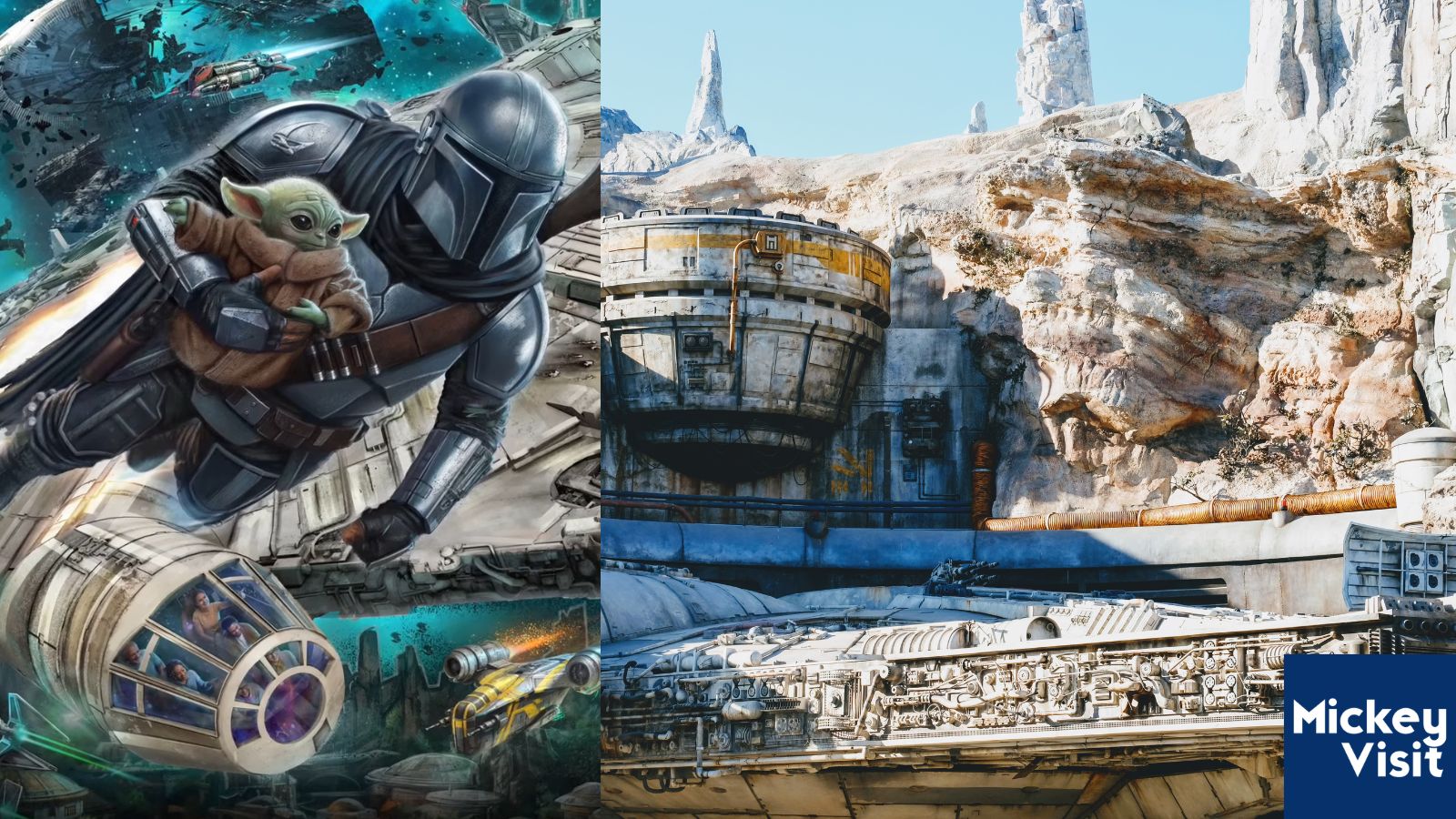
Disney’s next three movie releases in theaters are all connected to major franchises: The Mandalorian and Grogu, Toy Story 5, and the live-action remake of Moana.
Disney theme parks support new movie releases with permanent additions opening on or near the same day as a new film, such as a new version of Millennium Falcon: Smugglers Run opening at Disneyland and Disney’s Hollywood Studios on the same day as The Mandalorian and Grogu, or with temporary activations involving favorite characters, such as Jessie’s Roundup: A Rip-Roarin’ Revue operating at Magic Kingdom this summer in promotion of Toy Story 5.
This being said, Disney also recognizes the need for original storytelling. Again speaking to both the emotional and corporate sides of Disney, original stories introduce audiences to new worlds while also serving as a starting point for future franchise expansion.
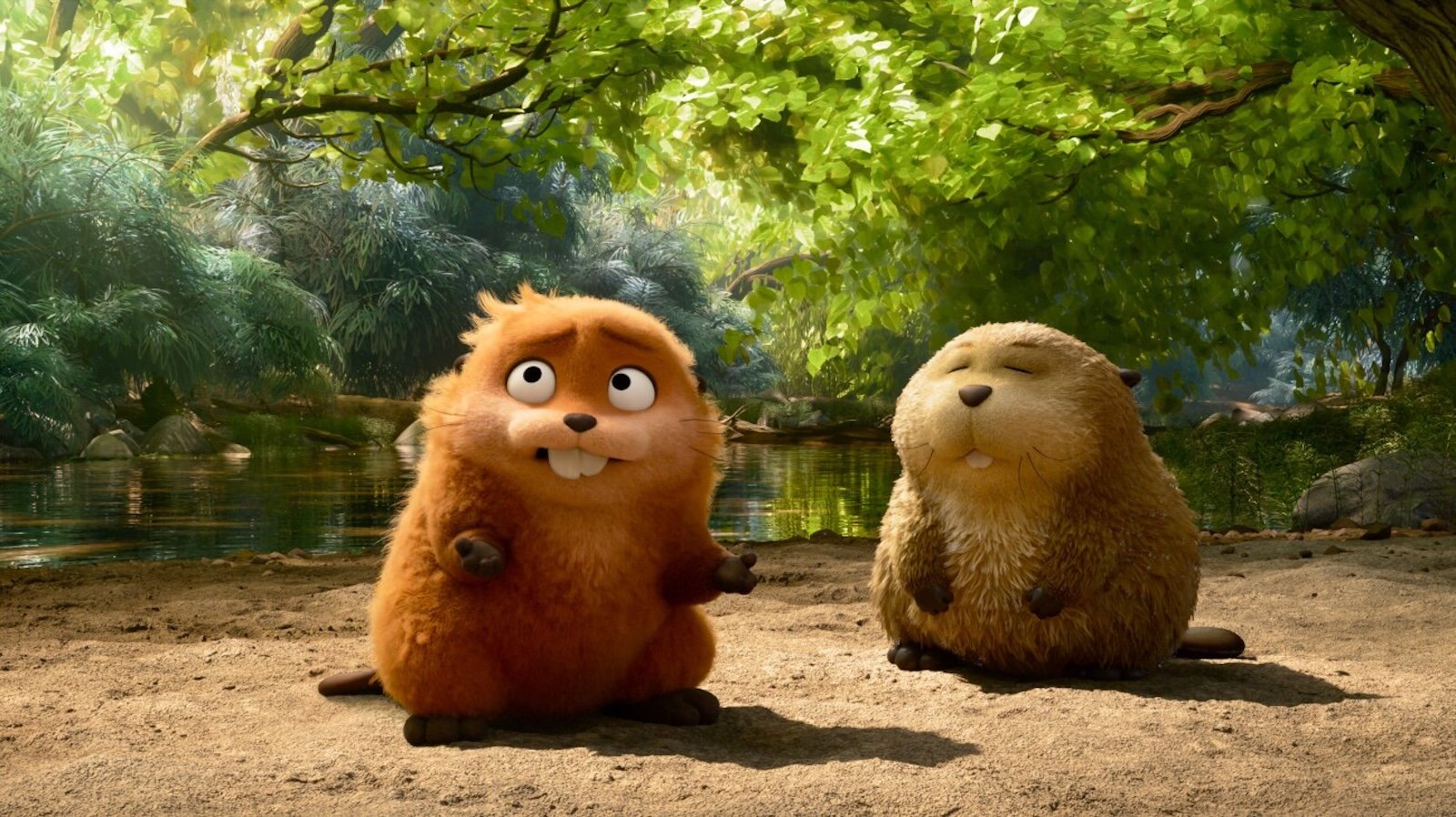
“We understand the importance of investing in existing franchises, but then also taking creative risks to build brand-new ones,” D’Amaro said. “I think the studio teams [are] all over that. You take Hoppers as an example. This is original IP from Pixar. Great critical reception and we’re pleased with how fans have embraced the film and all the new characters that come along with it.”
Original stories frequently receive some representation in Disney theme parks upon their releases, but only temporarily. Hoppers, for instance, launched with small-scale offerings at Disneyland Resort, such as an art gallery and photo-ops.
A new story has to prove it has legs before Walt Disney Imagineering commits to a permanent attraction, which can take time. The quickest turnaround happening currently is the 2027 opening of an Encanto ride at Disney’s Animal Kingdom, following the 2021 release of the film.
D’Amaro emphasized Disney’s commitment to “make bets on original characters” and “continue to push” that notion. To that point, Walt Disney Animation Studios’ next release is Hexed, an original story about a teenage girl with magical powers, voiced by Hailee Steinfeld, and her relationship with her mother, voiced by Rashida Jones.
Still to Come: A New Park, Expansions of Existing Parks, and More Cruise Ships
D’Amaro took the opportunity to celebrate recent wins for Disney Experiences, including the launch of the Disney Adventure cruise ship and the expansion of World of Frozen at Disney Adventure World, the new name for the park formerly known as Walt Disney Studios in Paris.
The way World of Frozen completely changes the trajectory of its park’s future is how D’Amaro sees the potential for projects currently in the works for other parks.
“While we haven’t officially announced opening dates for some of our other major attractions that are coming, we have more projects underway around the globe than at any time in our history. We’re being very ambitious and very aggressive on this front.”
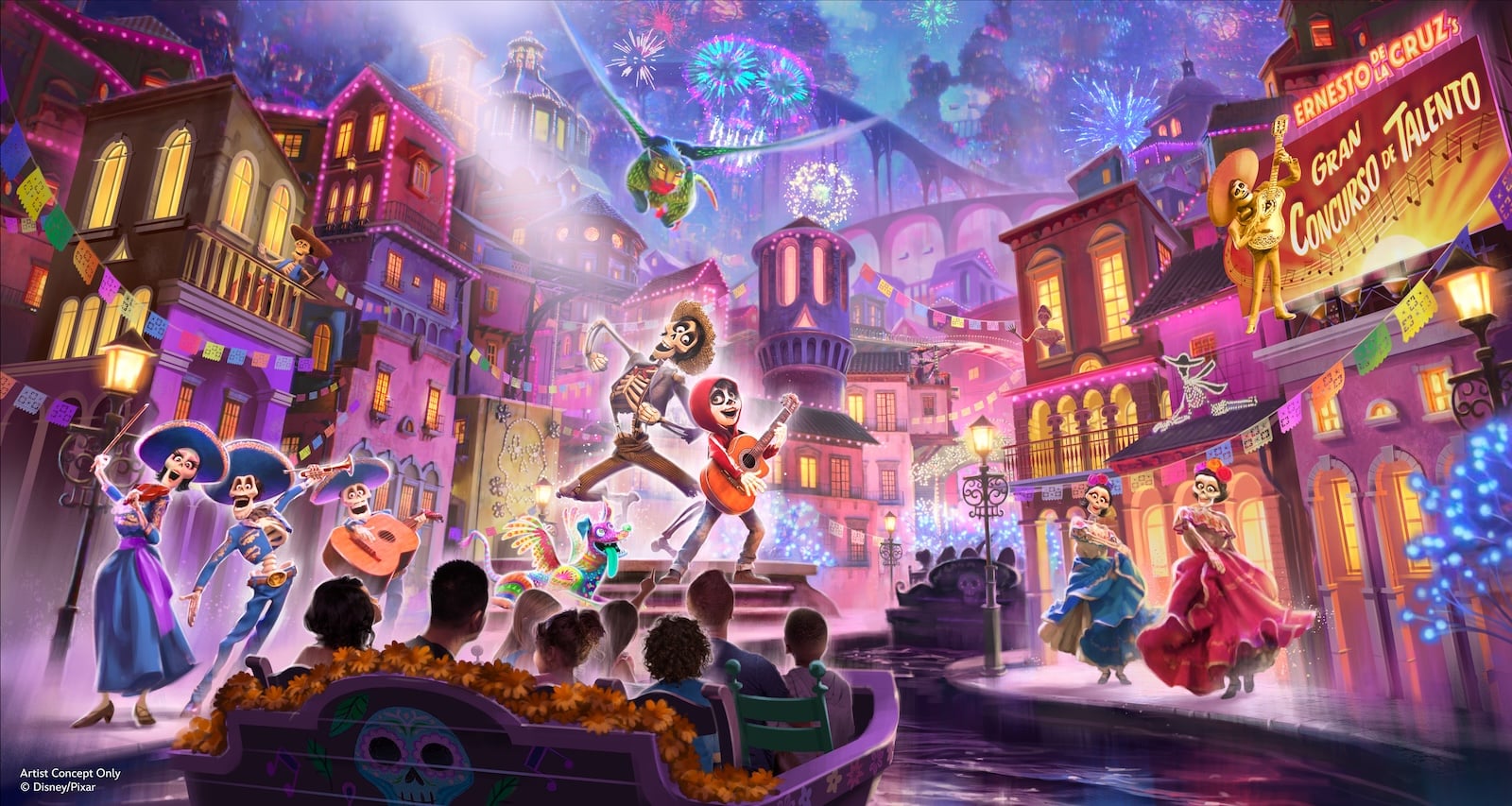
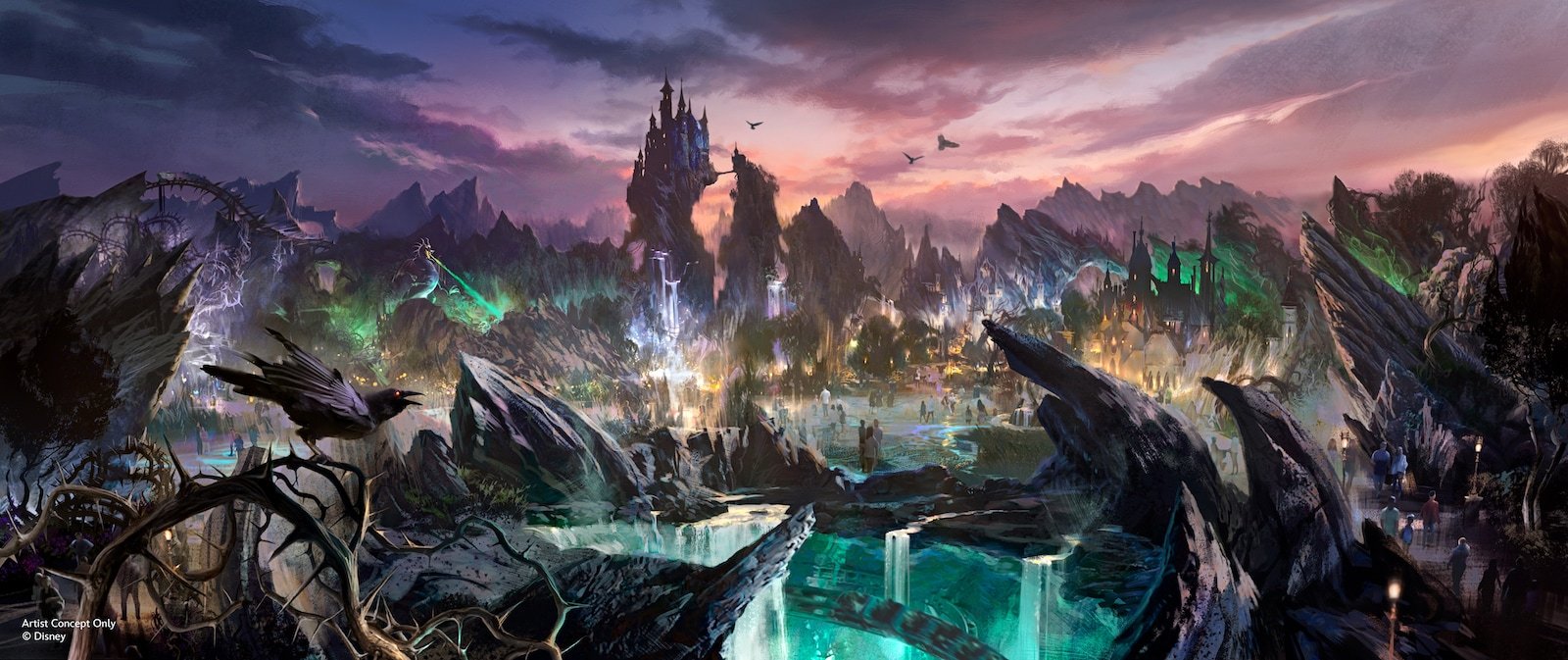
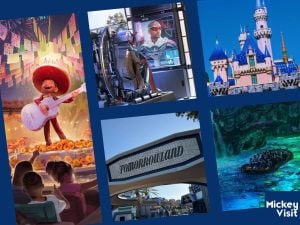
To name a few, in the coming years Disney theme park guests will experience Villains Land, new Cars rides, a Monsters, Inc. land, and a Tropical Americas land with Encanto and Indiana Jones rides at Walt Disney World; a new Coco ride, two new Avengers rides, and an Avatar land at Disneyland Resort; a revamped Space Mountain and a new Wreck-It Ralph ride at Tokyo Disneyland; new Spider-Man rides at Hong Kong Disneyland and Shanghai Disneyland; and a Lion King log flume at Disney Adventure World in Paris.
D’Amaro also reiterated the active development of a new Disney theme park in Abu Dhabi, a project first announced in 2025, and the expansion of Disney Cruise Line’s fleet to include 13 ships by 2031.
Beyond the Parks, But Still Influenced By Them

The reach of Disney’s business extends to movies, sports, and television, as we’ve already seen in some of the topics covered above. Even when these categories don’t directly connect with Disney’s theme parks, they still impact, and are impacted by, the parks in a very real way, as the collective success or failure of Disney’s individual ventures influence the others.
Disney’s Entertainment division reported a 10% increase in revenue and a 6% increase in operating income during the second quarter of 2026 compared to the same period in 2025.
Entertainment includes theatrical releases, streaming, and linear television networks like ABC, Disney Channel, and FX. Despite declining linear revenues, increasing streaming revenues were enough to boost Entertainment’s overall numbers.
Disney’s Sports sector reported a 2% increase in revenue and a 5% decrease in operating income in the second quarter of 2026 compared to the same period in 2025. Disney cited higher rights fees and marketing costs, as well as the timing of various rights agreements, as reasons for the lower operating income.
Disney’s flagship ESPN streaming service, with its ESPN Unlimited subscription plan, launched in August 2025. Disney sees “meaningful opportunity” to “expand both the content offering and the consumer proposition” of ESPN Unlimited over time.
We’re watching all of these developments closely as D’Amaro settles into his role as CEO and continues to chart the course for Disney’s immediate and long-term future.
Don’t Miss the Latest Disney News
Don’t miss the latest Disneyland and Disney World news from Mickey Visit. Join the FREE Mickey Visit newsletter that over 100k readers receive every single week. Mickey Visit is here to help you save money and experience more during your Disney and Universal vacation. See the Mickey Visit guide to Disneyland and the Mickey Visit guide to Disney World for tips.


He will screw it up be gone in 4 years