
Artificial intelligence (AI) is becoming more prevalent, but pushback against it is growing louder in some ways. Disney is at the forefront of leveraging the emerging technology and navigating the general public’s conversations about it. Executives recently shared their plans in deciding if and how AI belongs in Disney’s theme parks.
Disney leadership revealed how the company plans to approach AI in its theme parks, addressing the hot topic with big-picture goals, concrete ideas, and a comparison to Walt Disney himself. These were shared along with new data about theme park attendance and the new CEO’s vision for Disney’s future. Mickey Visit brings you the latest Disney news and planning resources, including Disneyland license plates coming to California and Disney wanting to reduce guests’ phone use in theme parks.
READ MORE – 11 Weird Things We Can’t Believe Were Once at Disneyland
Disney’s Plans to Use AI
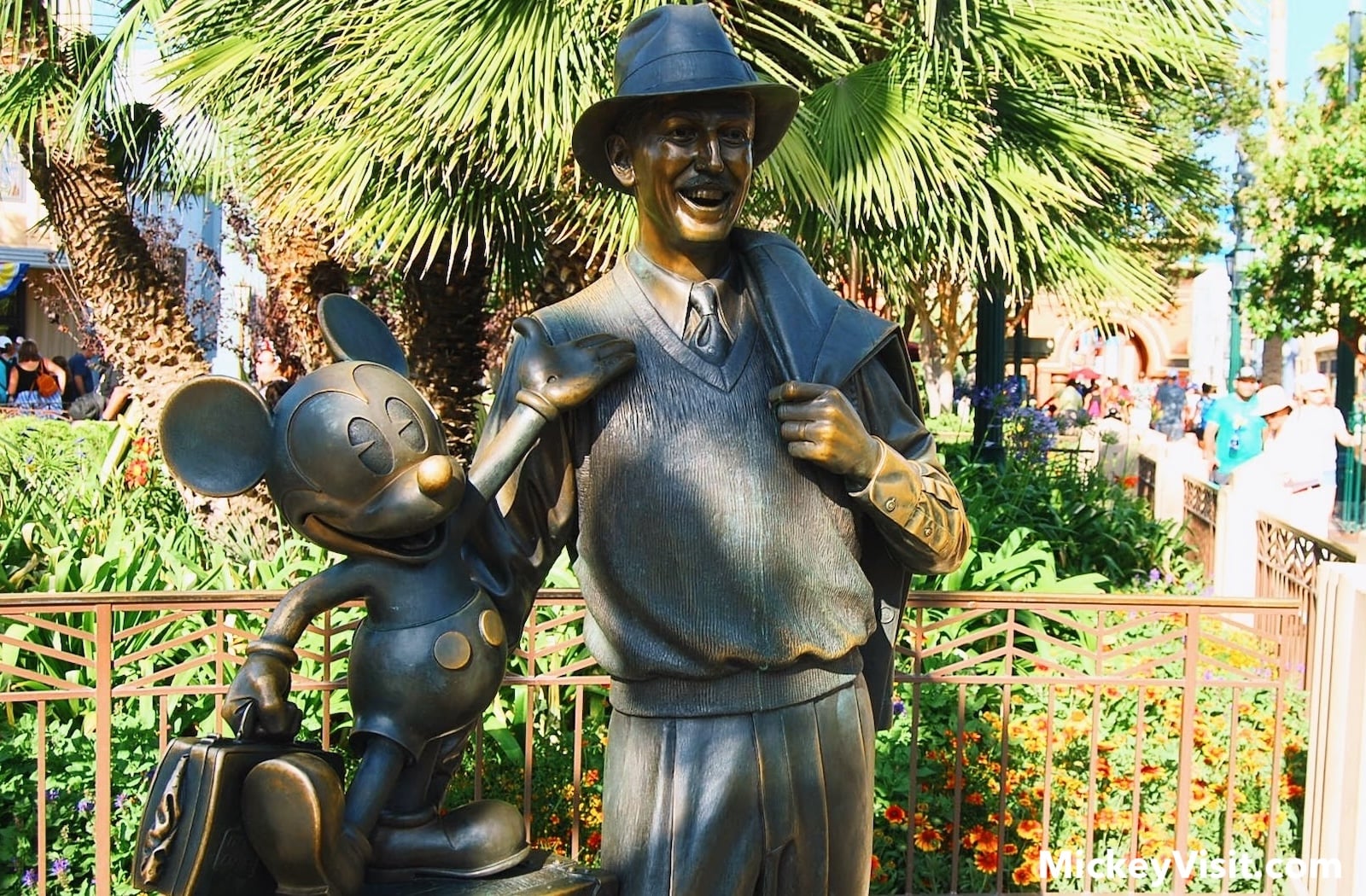
Newly minted Disney CEO Josh D’Amaro, who was promoted from his previous role as Chairman of Disney Experiences earlier this year, spoke about Disney’s AI plans during a quarterly earnings presentation, along with Disney CFO Hugh Johnston.
Disney World Ride Closure ALERTS, Major Park Changes, Secrets Revealed
Get alerts on closures, park changes, exclusive discounts, and free printables. Trusted by 100,000+ Disney fans & planners.
We’ll get into specific examples D’Amaro and Johnston shared for how Disney plans to use AI in theme parks and films below. Before that, let’s touch on D’Amaro’s big-picture perspective of AI as a principle.
“We look at advanced technology, including AI, as a meaningful, long-term opportunity for us at Disney,” D’Amaro said. “At the same time, we’re committed to implementing AI in a way that keeps human creativity at the center of everything that we do, and, of course, respects creators and the tremendous value of our own intellectual property.”
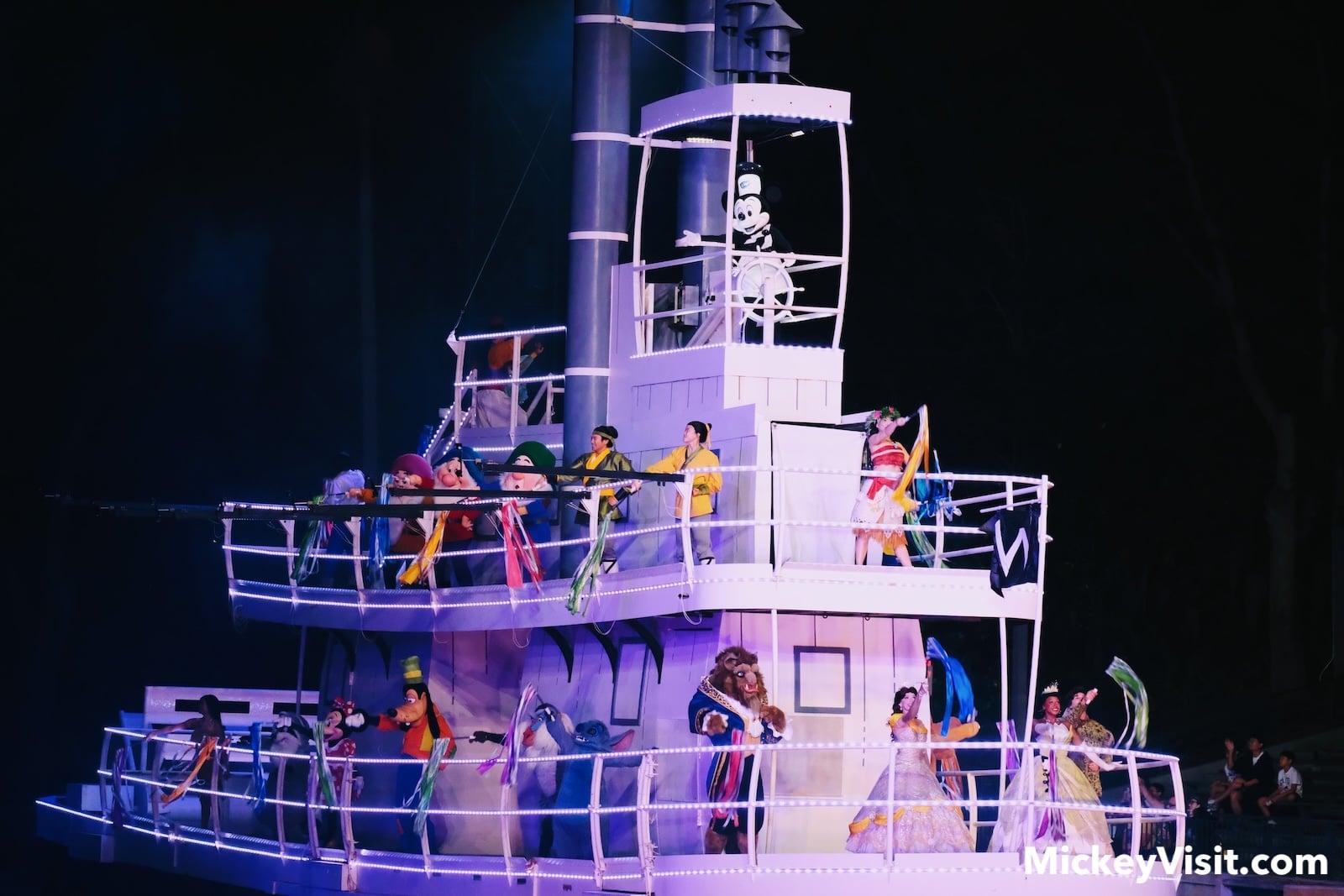
D’Amaro cited examples of Disney’s long history in “the use of technology to enhance creativity,” including computer animation systems at Pixar and advanced tech on the set of The Mandalorian. “It’s just part of our legacy,” D’Amaro said, “going back to when Walt was pioneering synchronized sound in Steamboat Willie.”
That last example refers to the first Mickey Mouse cartoon, which debuted in 1928 and was the first animated film to sync a soundtrack with its visual action.
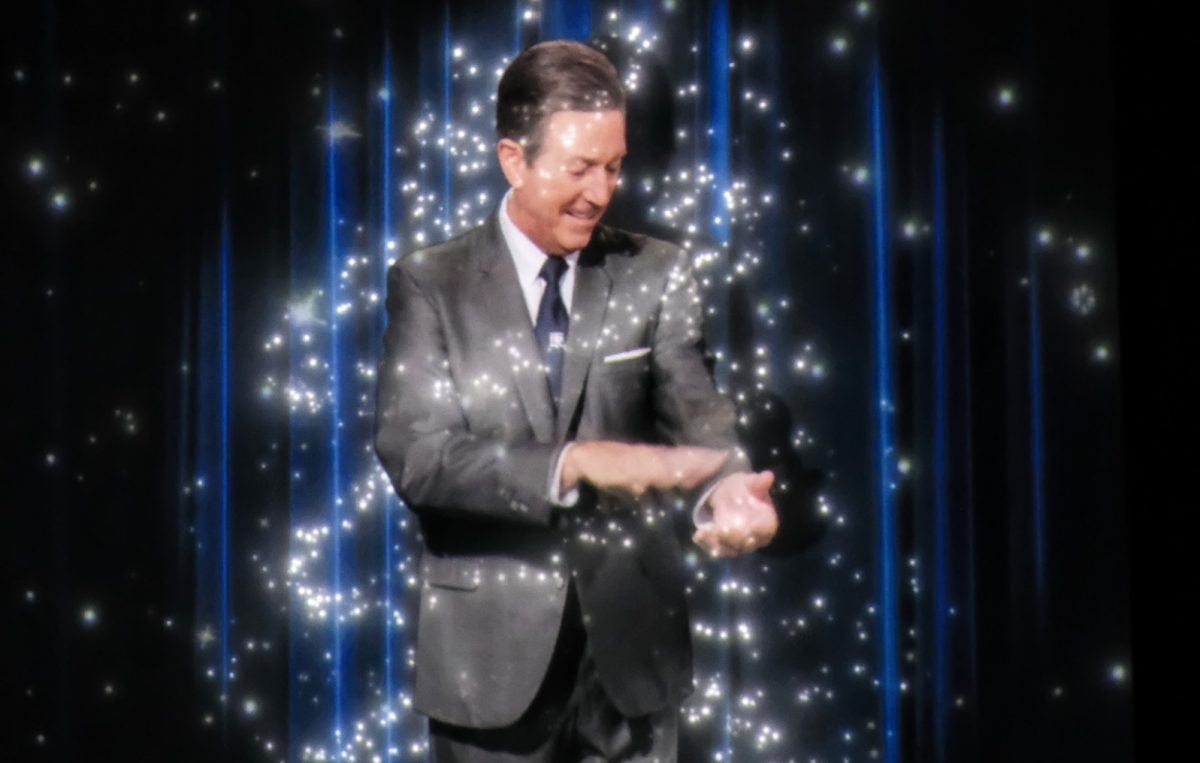
Disney’s AI endeavors are not new. For example, the first photo in this article shows the AI-generated Walt Disney showcased at the Disney100 exhibit in 2023. D’Amaro’s comments do, however, indicate an accelerated implementation of AI across the board.
These decisions are not without controversy. We’ll analyze Disney’s mixed signals of embracing AI and a critical paradox in D’Amaro’s remarks at the end of this story.
Let’s dive into all the ways D’Amaro addressed Disney’s plans for AI in theme parks and other areas of the company. For more from the same quarterly earnings presentation, see our coverage on theme park visitors and future plans, and 10 Disney announcements and why they matter for theme park fans.
AI in Disney Vacations
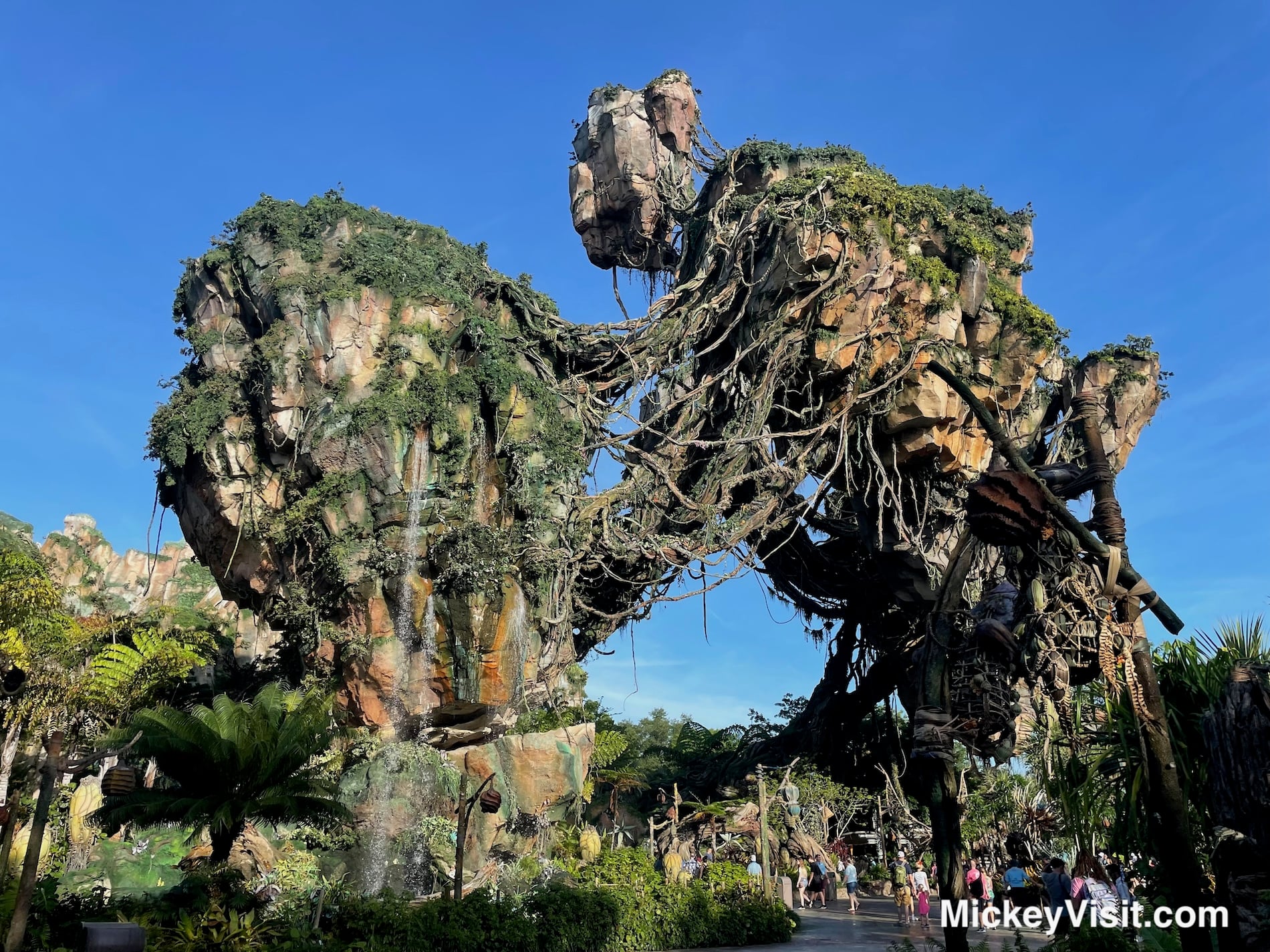
Theme park guests visiting Disneyland or Walt Disney World in the future might use AI in making their vacation plans.
“We see a significant opportunity,” D’Amaro explained, “to make it easier for families to plan their trip, to optimize all their time with us, and to personalize their experience.”
Those broad-stroked concepts could pertain to any number of components of a Disney vacation. Where D’Amaro was most specific was in the actual act of planning a trip: the tasks leading up to enjoying any given Disney attraction.
“A Disney vacation means a lot to our fans,” he said, “and we’re using AI to reduce the complexities around planning and booking a trip. We’re trying to make that whole experience specifically tailored to what our guests want most.”
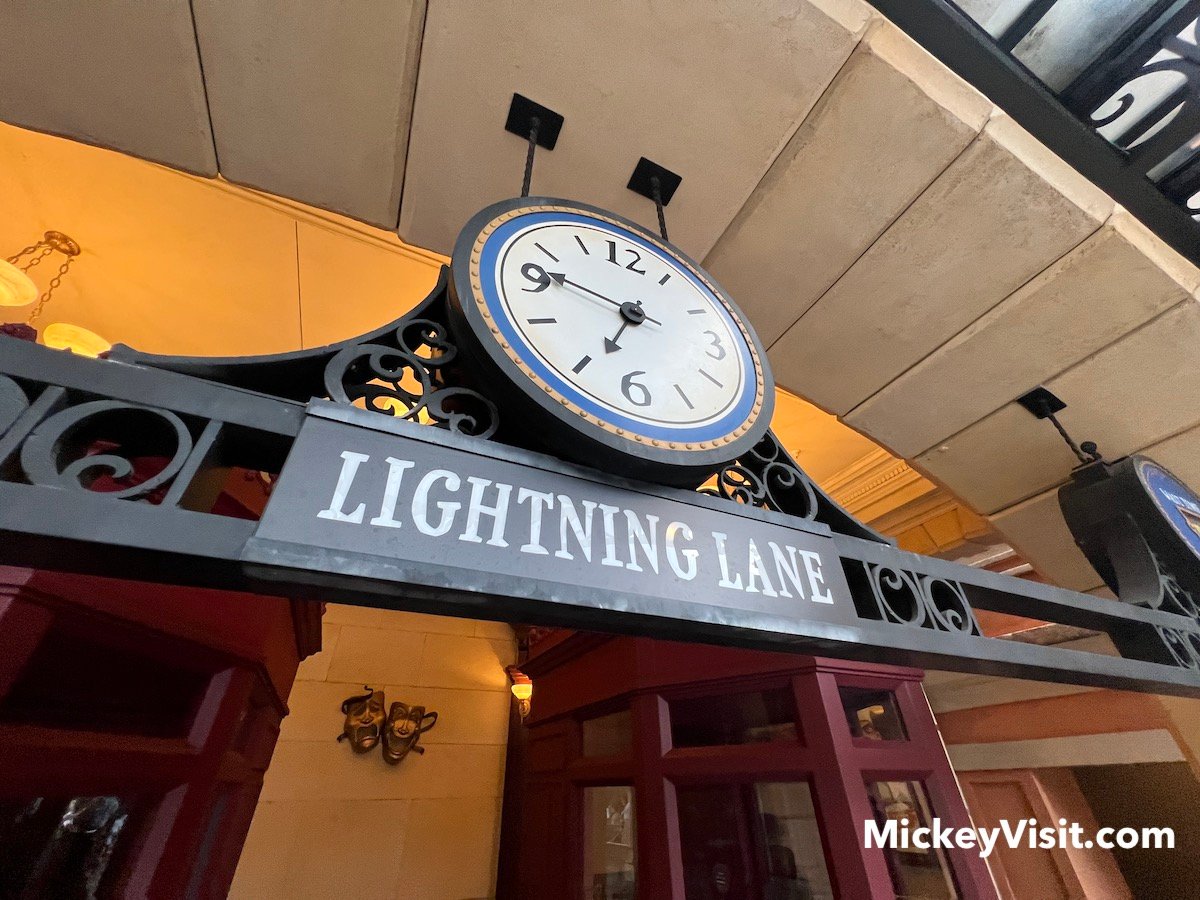
In recent years, Disney has ebbed and flowed in its procedures for visiting the parks, particularly in purchasing skip-the-line passes, known as Lightning Lane selections.
D’Amaro’s description of an AI-aided planning tool sounds similar to a service Disney has already offered for five years called Genie. Acting as an itinerary assistant in Disney’s apps, Genie asks guests what interests them and builds a personalized plan.
The mileage varies for Genie’s effectiveness. The service gained a reputation for producing unhelpful itineraries and directing guests toward poor recommendations. Some suspected Genie’s suggestions may have been more about helping Disney balance crowds than personalizing itineraries for individual guests.
Genie’s perception became so negative that it may have played a part in Disney rebranding the upcharge skip-the-line version of the service, Genie+, to avoid being associated with the product.
Disney fans would no doubt be interested in learning how any future version of an AI planning tool would differ from the existing Genie service. Would this new tool actually be useful to guests, or would it lean too heavily on dispersing crowds to improve operations?
It would need to fundamentally improve the park-going experience to differentiate itself from Genie’s reputation. If it’s the same product in different packaging, it will be a nonstarter for many guests hesitant to jump through the hoops of Genie’s games again.
Disney recently shared plans to decrease guests’ phone use in theme parks, an interesting concept when contrasted with D’Amaro’s new remarks.
READ MORE – 14 Spooky (and Somewhat Disturbing) Secrets of Disney’s Haunted Mansion You Don’t Know
AI in Disney’s Workforce Scheduling
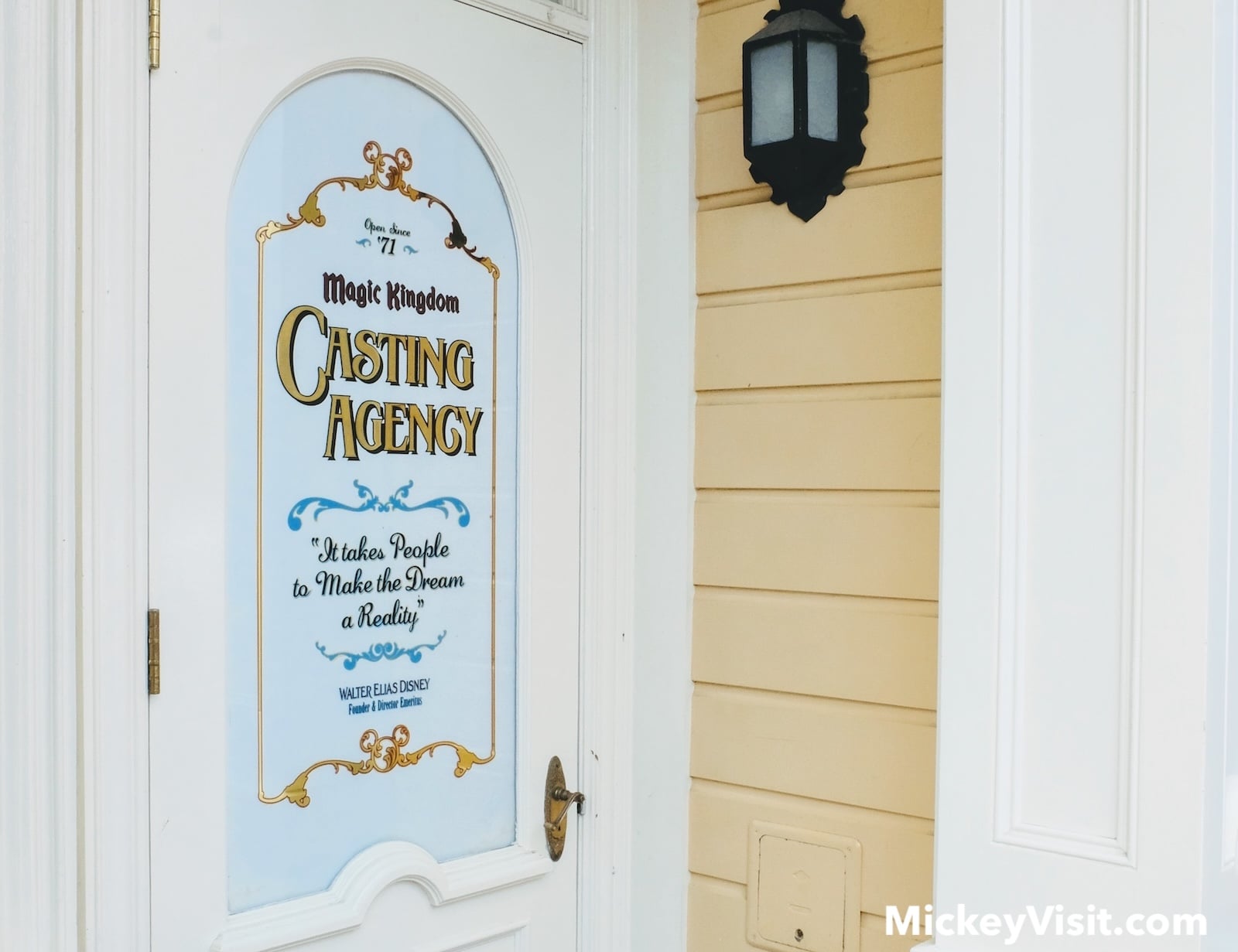
Disney is looking to AI to increase its workforce productivity. This includes “an initiative to implement precision-labor demand forecasting across our theme parks,” Disney CFO Hugh Johnston said.
Reading between the lines, this system may enable Disney to intuitively schedule its cast members’ hours based on the busyness of a theme park, or even of a specific attraction, during any given time on any day.
“We think that one has the potential to create a better guest experience, a better employment experience, and also better cost management for the company,” Johnston said. “We’re very excited about that.”
In recent years, Disney introduced theme park reservations as part of its ticketing process. In addition to purchasing a ticket, guests at Disneyland and Walt Disney World were required to make a reservation for a specific day to visit. Initially, this process stemmed from COVID-related measures. It inadvertently became a tool in managing workforce expectations. By knowing exactly how many people would be in the park every day, Disney could schedule cast members accordingly.
Disney World has mostly phased out the theme park reservation process, but the system will remain at Disneyland Resort. Many of the reservation system’s functions are similar to Johnston’s description of the AI labor tool, so learnings from the former will likely be key data points in implementing the latter.
Disney Theme Parks as an AI Antidote?
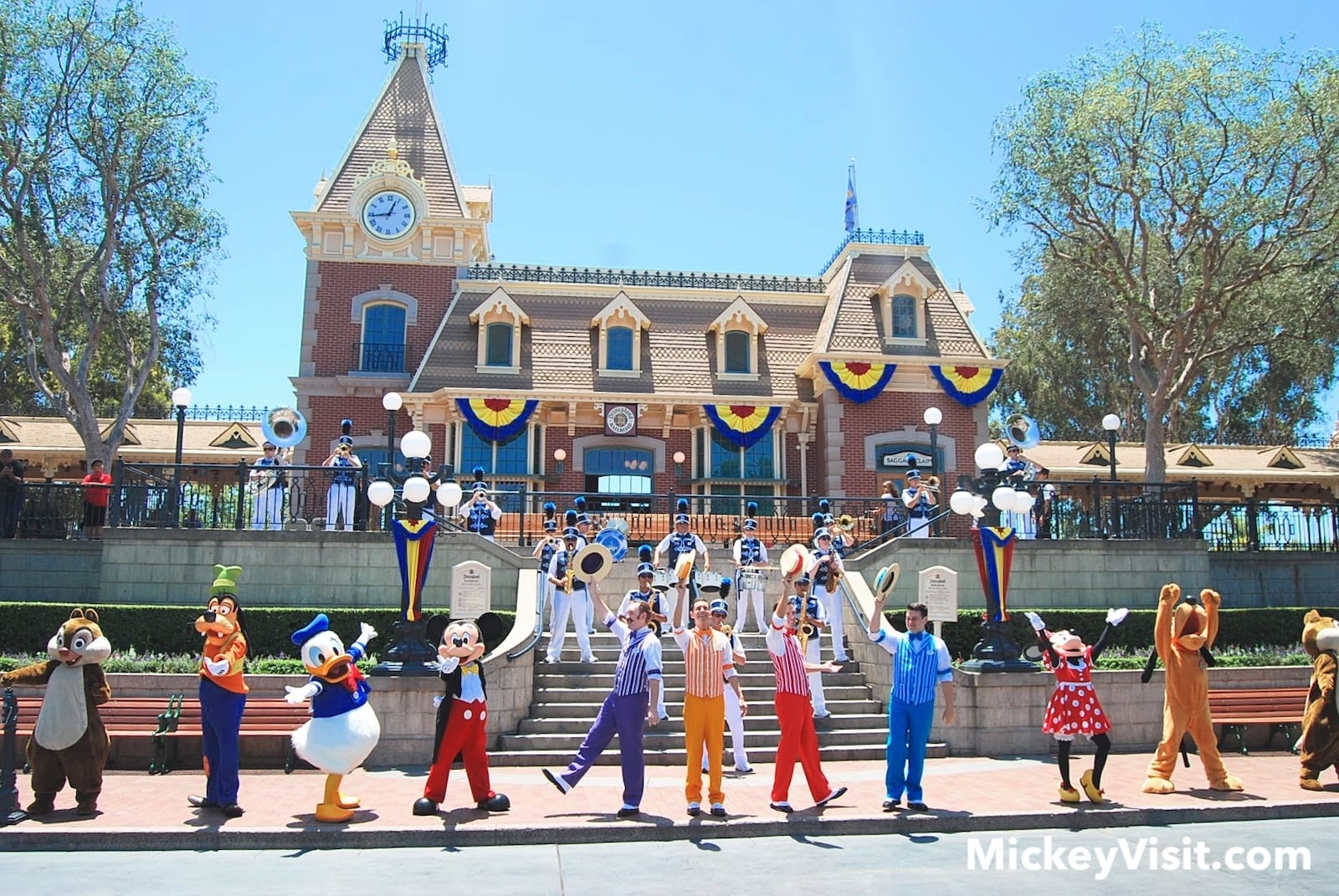
Even within Disney’s embrace of AI, leadership is aware that many other companies are simultaneously strategizing their own uses for AI and that the market in general may become saturated with AI-based tools and content.
In contrast to increasingly artificial experiences, Johnston remarked that consumers’ desire for physical environments will grow, and that Disney theme parks can meet that need.
“We do see our Experiences business as well-positioned structurally in a world of rising AI-driven content,” Johnston said. “We think it may end up increasing even more the value consumers place on authentic, real-life experiences with those that they are close to, like we deliver across the parks and resorts every day.”
We explore these sentiments in contrast to D’Amaro’s big-picture vision for Disney and AI at the end of this story.
AI in Disney Streaming, Film Production, and User-Generated Content
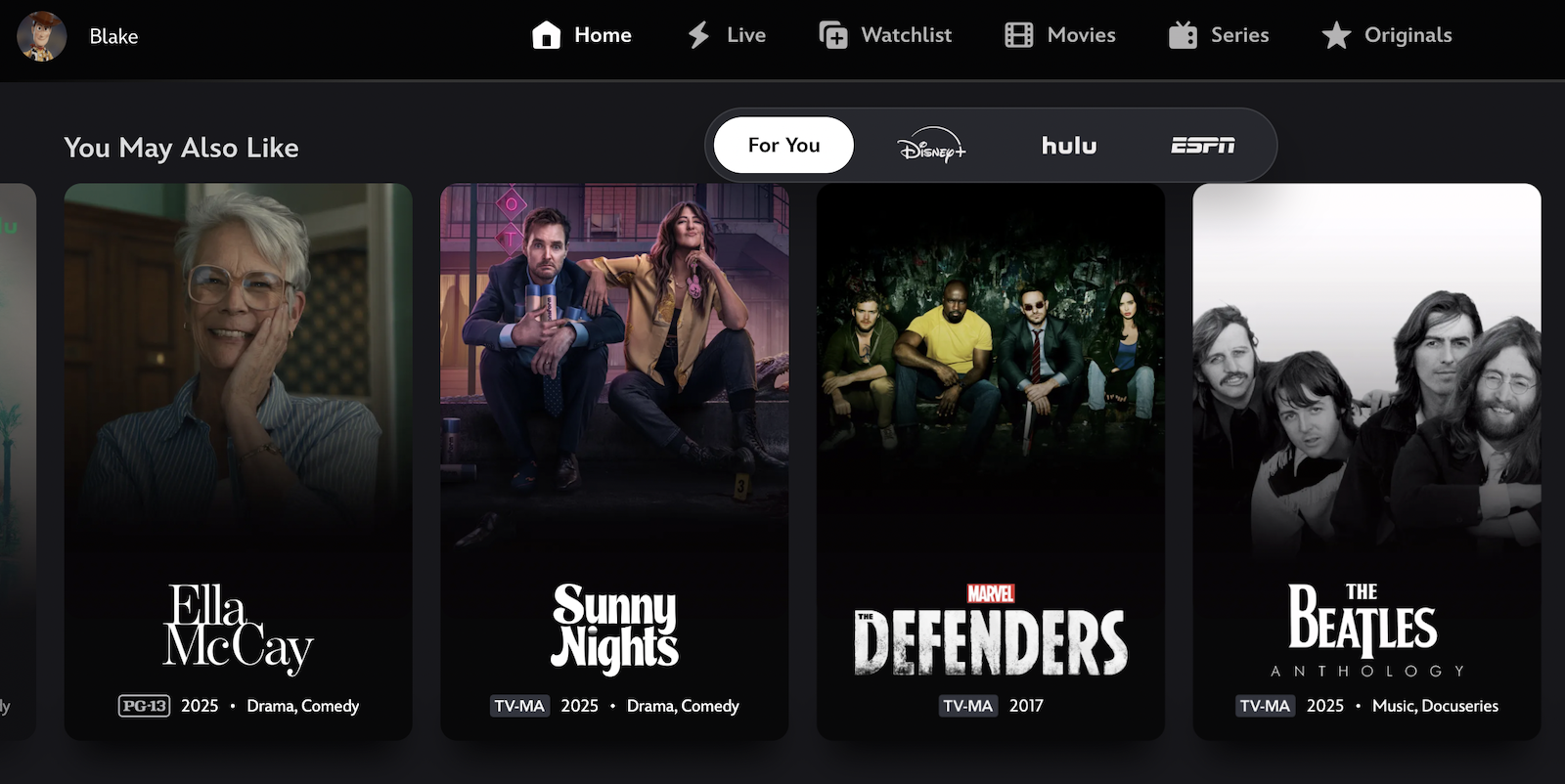
Disney is developing AI-driven tools for Disney+ and the ESPN flagship streamer, which launched last year.
“In streaming specifically, we’ve got a lot of work going on to develop a hyper-personalized recommendation engine across Disney+ and ESPN,” D’Amaro said. “We’re implementing AI to enhance our ad targeting capabilities, letting our partners develop and execute truly dynamic brand messaging.”
Streaming services already recommend programming to users based on their watch history and viewing habits, so D’Amaro’s remarks imply this new technology would go beyond those existing capabilities.
D’Amaro also sees Disney+ as a growth opportunity beyond a streaming service.
“Our parks are essentially the physical centerpiece of the company,” D’Amaro said. “Similarly, we’re building Disney+ to serve as the immersive, interactive, digital centerpiece of the company.”
He went on to say Disney theme parks and Disney+ will “become increasingly connected.” This means that as Disney+ further integrates AI, the theme park-related services Disney+ offers in the future would likely feel the impact of AI, too.
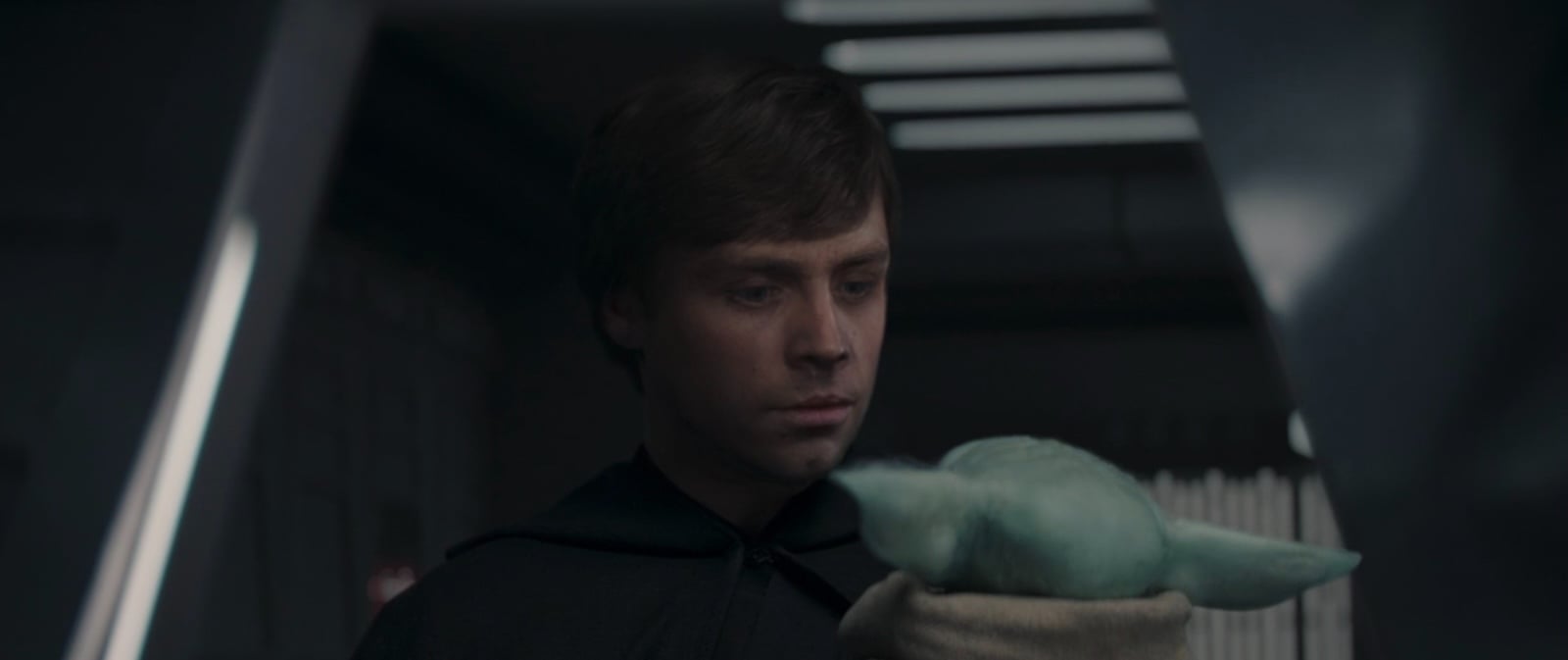
Disney intends to use AI in “making the production process more efficient” when developing films and “increasing the volume of content” its studios are capable of, D’Amaro said.
Disney has already utilized some generative AI in media production, with perhaps the most prominent example being Luke Skywalker’s appearance and voice in The Mandalorian and The Book of Boba Fett.
Disney previously announced a huge investment in OpenAI’s Sora generative AI platform. This would legally allow Sora to use copyrighted Disney characters in its service, in turn allowing users to write prompts for AI-generated visuals with those characters.
OpenAI later shut down Sora, nullifying the Disney deal.
“We continue to explore potential commercial opportunities with OpenAI and others,” D’Amaro said during the company’s second-quarter earnings call. So while legal user-generated AI content with Disney characters may not be as immediate as previously planned, the idea is still on the table, and the door is seemingly still open for a collaboration between Disney and OpenAI.
Concerns Toward Disney’s AI Embrace and Mixed Signals from Leadership
D’Amaro’s disclaimer about Disney implementing AI while “respecting creators” seems well-intentioned, but overlooks how generative AI is inherently at odds with that mission. AI, by definition, does not respect creators. AI is built on the work of artists and writers without proper citation and payment.
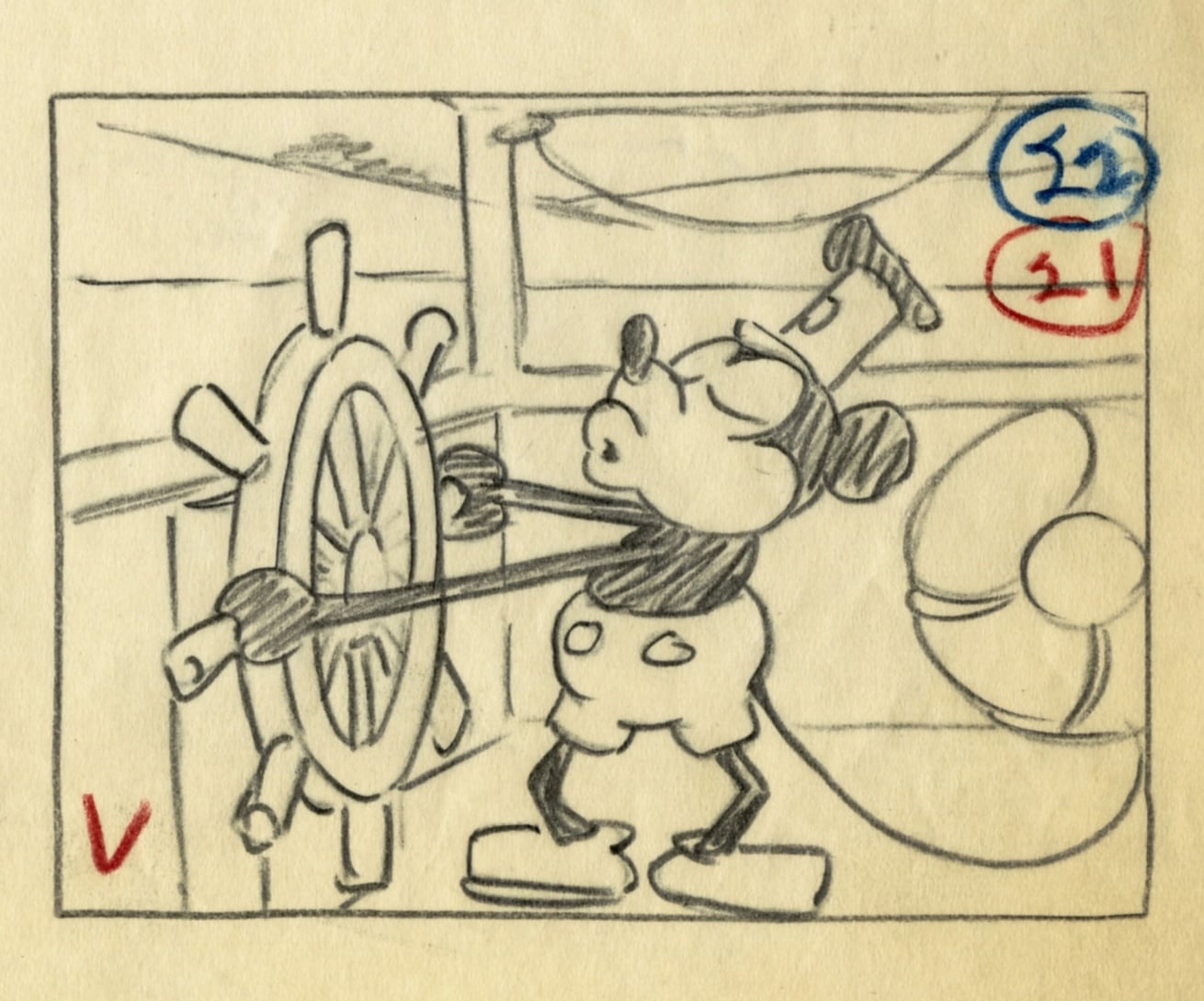
The artwork pictured above is a storyboard sketch for Mickey Mouse’s screen debut in 1928’s Steamboat Willie. The new cartoon character, whistling at the wheel, introduced audiences to something they had never experienced before: the synchronization of sound with an animated motion picture. Disney’s new CEO likens this moment to the company’s embrace of AI.
It gives me pause that an organization so fundamentally rooted in artists would entertain generative AI as a partner in its cause rather than an antithesis to its values.
As Johnston himself said during the earnings call, Disney theme parks deliver a product that will only grow more attractive as AI becomes more prominent. This sends mixed signals with the sweeping AI initiatives Johnston and D’Amaro laid out minutes earlier.
Crucially, the value of Disney parks as an escape from AI hinges on the parks themselves not being overrun with AI. If AI becomes a prominent part of guests’ visits, whether through AI planning tools or AI-generated attraction visuals, then the parks won’t be as much of an escape from the technology as Johnston described.
The opposite of artificial is real, and Disney theme parks are real places. They are works of art. Disneyland itself was designed by Walt’s filmmakers, pioneering a new genre of family entertainment by inventing the very idea of a theme park. Disney is clearly plunging into AI headfirst, but its CEO and CFO’s mixed signals communicate a lack of confidence in whether the AI domain aligns with the essence of Disney itself.
Don’t Miss the Latest Disney News
Don’t miss the latest Disneyland and Disney World news from Mickey Visit. Join the FREE Mickey Visit newsletter that over 100k readers receive every single week. Mickey Visit is here to help you save money and experience more during your Disney and Universal vacation. See the Mickey Visit guide to Disneyland and the Mickey Visit guide to Disney World for tips.